House of Wellness Brickell pairs a wellness-led residential concept with questions buyers should resolve in writing: who responds after hours, how humidity alerts work, and which cooling functions remain available during a failure.
For a private client, residential wellness is both an experience and an operating commitment. A rooftop pool or treatment room describes how a building may enrich daily life. An overnight cooling failure raises different questions: who takes responsibility, what triggers intervention, and what keeps working while service is restored?
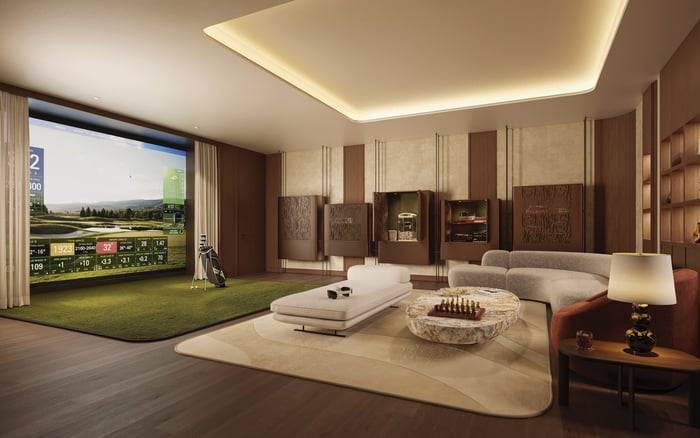
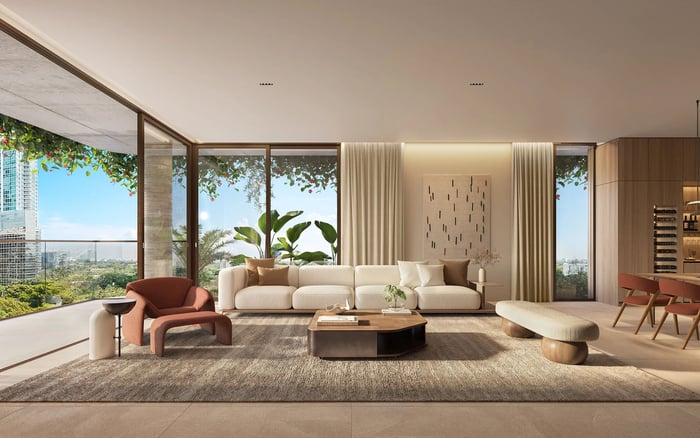
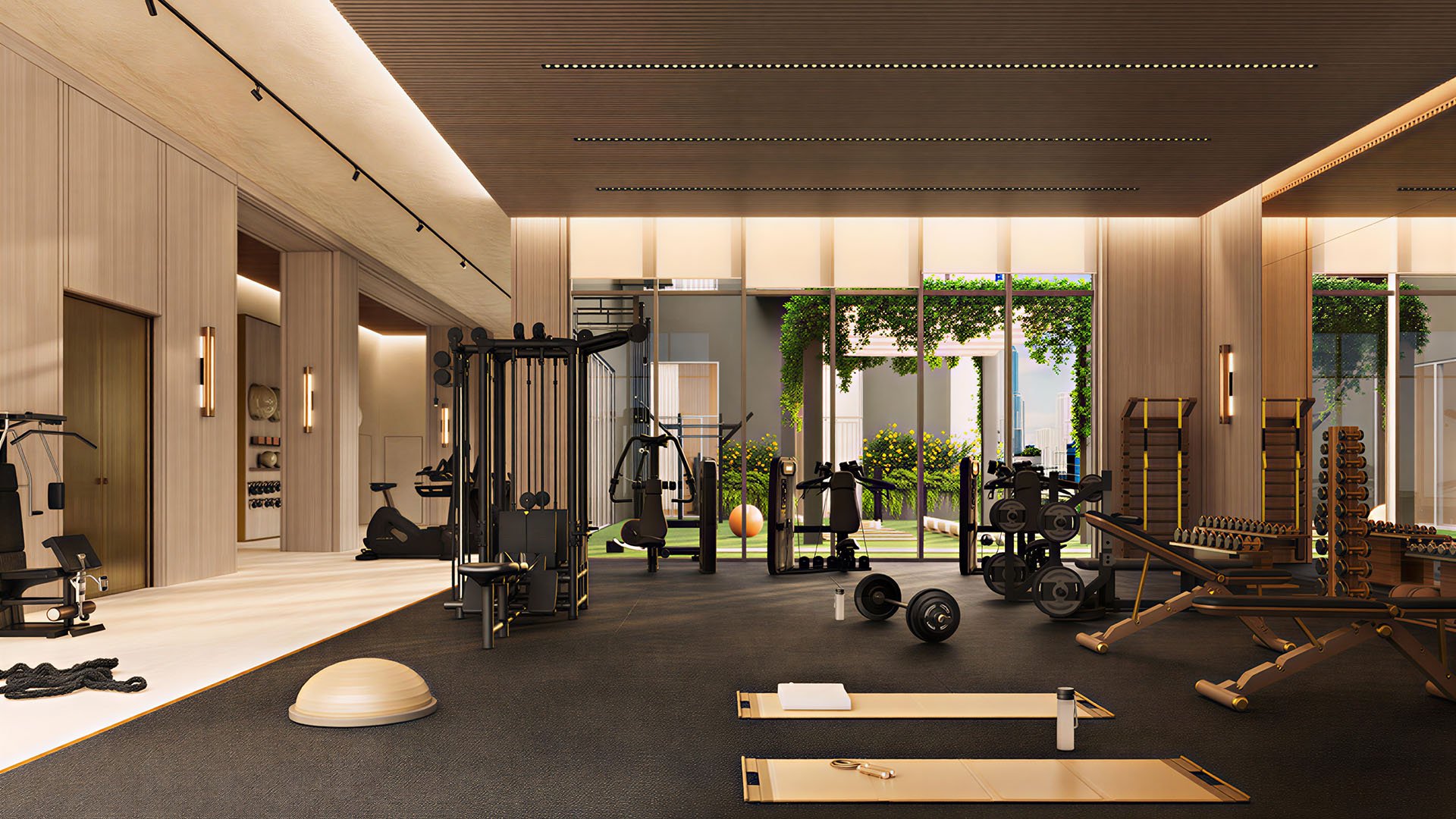
House of Wellness Brickell is a planned wellness-focused condominium at 152 SW 9th Street, Miami, FL 33130. Described as a 34-story tower, the project is marketed with more than 22,000 square feet of wellness amenities. Its program includes a fitness center, rooftop pool, spa facilities and treatment rooms, alongside co-working spaces and other lifestyle conveniences.
Those offerings establish the residential concept. They do not, by themselves, establish after-hours HVAC response, humidity alarms or cooling-system redundancy. All three remain unverified in the available project details. That is a distinction about documentation, not a conclusion that these protections are absent.
The project advertises purified air in all common areas, with advanced filtration described for shared spaces. A building-wide UV water-purification system is also described. These are separate wellness features: water treatment does not demonstrate cooling redundancy, and shared-space filtration does not establish the equipment or monitoring inside an individual residence.
The full-service offering includes a stated commitment to maintain and service the units to ensure high-quality air. The scope of “units” needs clarification before a buyer interprets it to include every residence’s HVAC equipment. This service language should not be treated as a contractual promise of round-the-clock emergency response.
The available air-quality details do not include equipment schedules, filtration ratings, commissioning records or maintenance logs sufficient to verify operational performance. Buyers should ask which statements describe intended features, which specify equipment, and which become enforceable service obligations.
The immediate question is not simply whether a building offers full service. It is whether the operating documents establish a 24/7 hotline, overnight engineering coverage, a guaranteed response time or an after-hours service agreement. None of those commitments is established by the available amenities language for House of Wellness.
A useful diligence request separates acknowledgment, attendance and restoration. A telephone response, a technician’s arrival and the return of cooling are different milestones. Ask which, if any, carries a written commitment and what exceptions apply.
Request the emergency-response policy, escalation contacts and on-site staffing schedule. Ask who can authorize an outside contractor, how access to a locked residence is arranged and which party pays for after-hours work. These are questions to resolve, not services to assume.
For a buyer also considering 2200 Brickell, the same written questionnaire allows a disciplined comparison without presuming either property’s operating arrangements. Compare documented responsibilities rather than the breadth of a concierge or wellness description.
Humidity monitoring deserves its own inquiry. The available project details do not confirm in-unit humidity sensors, alarm thresholds or resident notifications. Buyers should not infer any of these from purified-air marketing.
Request a clear description of sensor locations and coverage. Ask whether readings are visible only within the residence or can be reviewed remotely, what threshold triggers an alert, and whether a sustained reading is required before notification. The responsible design or operating team should explain the appropriate settings rather than offer a generic promise.
Next, establish responsibility for the alert. Does it reach the resident, a designated representative, building management or a service provider? Who acknowledges it, and what happens if the first recipient does not respond?
For an unoccupied residence, request a written protocol linking notification to authorized access and inspection. Ask how an owner’s absence changes the service arrangement, if at all. The objective is not merely to receive a message; it is to know who can act on it.
Cooling redundancy remains unverified in the available project details. Those details do not establish N+1 chillers, backup cooling towers, dual mechanical electrical feeds or emergency-powered residential cooling. These are distinct provisions; none should be inferred from the wellness positioning.
Begin with the mechanical narrative and equipment schedule. Ask the project team to identify the proposed cooling configuration before discussing backup capacity. Then request the failure-mode sequences: what happens when an individual component becomes unavailable, which functions remain supported, and what intervention is required?
Emergency power requires equal precision. Request a component-by-component list of supported HVAC equipment, clearly distinguishing common-area systems from residential cooling. Ask whether any claimed backup arrangement covers the complete cooling function or only selected equipment, and what limits apply.
If The Residences at 1428 Brickell is another option under consideration, use the same failure scenarios in both inquiries. This is a comparison framework, not a claim about that project’s systems. The meaningful distinction is between documented continuity and an undefined assurance of backup.
At a planned development, the buyer’s task is to distinguish proposed design from completed testing and ongoing operation. Ask which documents are available now, which will be delivered later and who is responsible for each. Future testing should not be presented as a demonstrated result.
A focused request should cover four areas:
Service scope: emergency contacts, staffing, escalation, response commitments and the boundaries of the service provider’s responsibilities.
Monitoring: sensor locations, alarm thresholds, notification recipients and protocols for unoccupied residences.
Mechanical continuity: equipment schedules, failure sequences and the HVAC components supported by emergency power.
Verification: condensate-protection details, functional-performance testing, commissioning records and applicable condominium or service agreements.
Have the appropriate technical adviser assess the mechanical information and counsel review the service obligations. Ask whether each commitment applies to the individual residence, shared systems or both, and whether it survives a change in service provider. Where documents are prospective, request a delivery milestone rather than treating an intended feature as a completed protection.
House of Wellness Brickell offers a defined wellness proposition. The unresolved issue is how that proposition translates into the operating protections an owner expects when cooling stops or a residence is unattended.
A prudent decision neither discounts the amenities nor assigns them technical meaning they have not established. Evaluate lifestyle appeal and operating assurance separately. Bring them together only when the equipment documentation, response procedures and applicable agreements support the same expectation.
For a discreet discussion of your Brickell residence search and buyer priorities, connect with MILLION.
If branded residences are on your mind — as a home or as an allocation — we would be glad to share what we are seeing, privately.
Begin a quiet conversationIt is a planned wellness-focused condominium development in Miami’s Brickell neighborhood, described as a 34-story residential tower.
The listed address is 152 SW 9th Street, Miami, FL 33130.
The project is marketed with more than 22,000 square feet of wellness amenities, including a fitness center, rooftop pool, spa facilities and treatment rooms.
The available amenities details do not establish a 24/7 hotline, guaranteed response time, overnight engineering coverage or after-hours service agreement.
That scope is not established. Buyers should clarify what “units” means and request the applicable service responsibilities in writing.
In-unit humidity sensors, alarm thresholds and resident notifications remain unverified in the available project details. This does not establish that they are absent.
Request sensor coverage, alert thresholds, notification recipients and a written protocol for authorized access and intervention while the owner is away.
The available details do not confirm N+1 chillers, backup cooling towers, dual mechanical electrical feeds or emergency-powered residential cooling.
No. The described building-wide UV water-purification system is a separate wellness feature, not evidence of backup cooling.
Request emergency-response policies, monitoring specifications, the mechanical narrative, equipment schedules and emergency-power coverage. Applicable service agreements and functional-performance testing should also be reviewed.
.jpg&width=700&height=438&fit=cover)