A buyer-focused review of Tula Residences’ advertised assessments, concierge promise, and operating assumptions, with practical questions on contracts, reserves, insurance, and delivery.
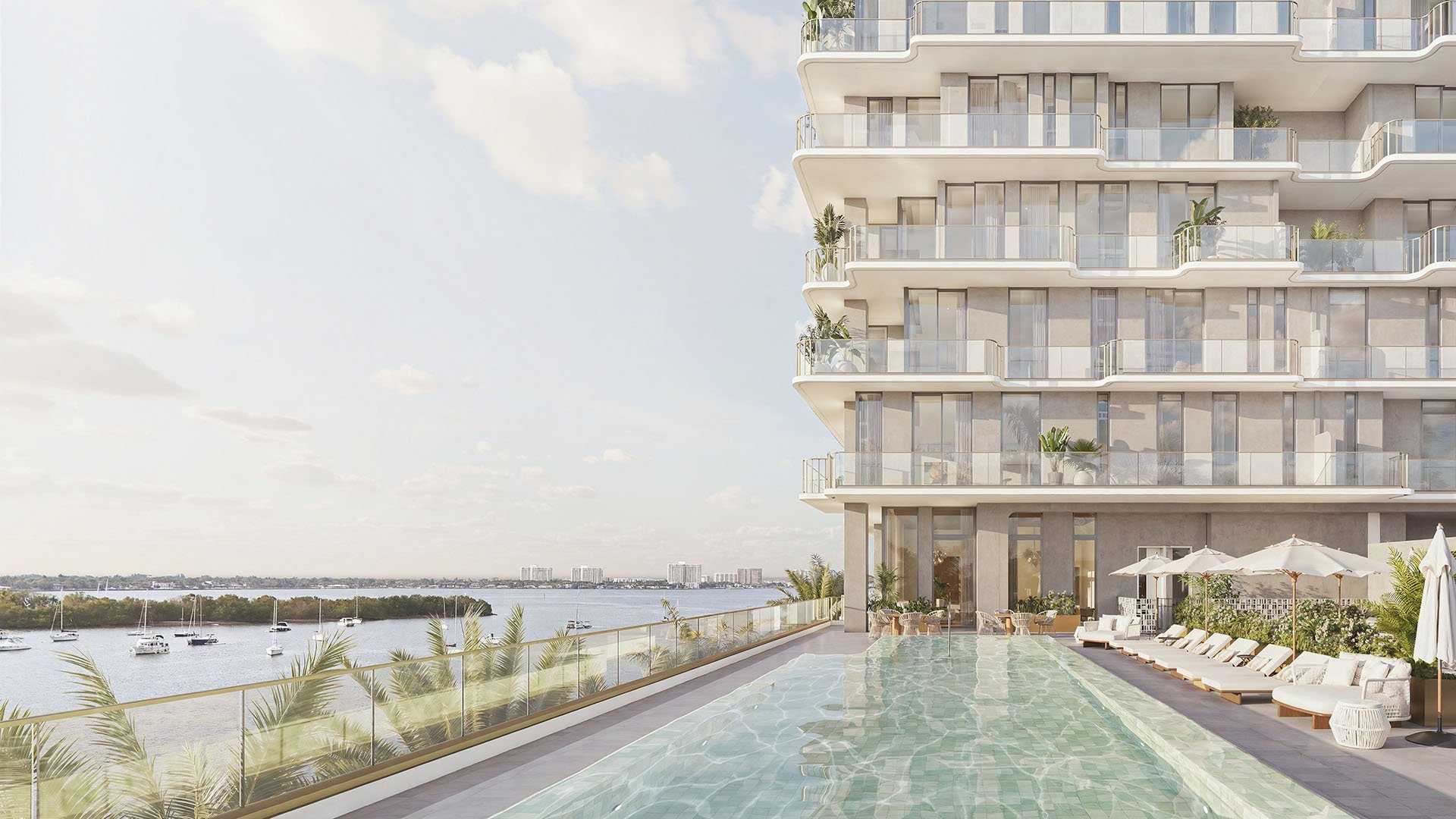
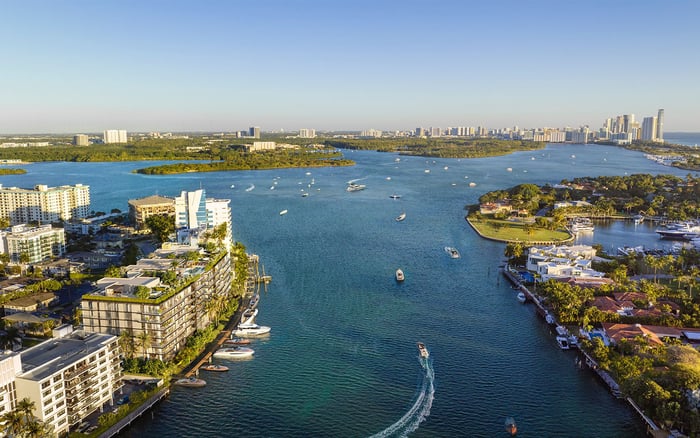
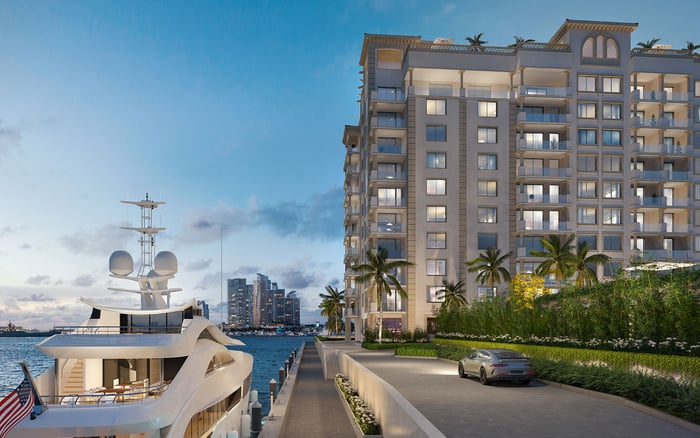
At Tula Residences North Bay Village, the ownership proposition pairs a waterfront setting with a planned 21-story tower of 54 residences. The address is 7918 West Drive, North Bay Village, Florida 33141. For a buyer seeking an intimate residential setting, the central financial question is how the advertised service experience translates into recurring costs.
That review begins with a distinction between an advertised assessment and a documented operating obligation. No actual budget variance, executed service-contract escalation rate, staffing count, or validated payroll cost is established here. These remain questions to resolve, not findings of underbudgeting or inadequate service.
Start with a coordinated document package: the first-year operating budget, the assessment schedule for the selected residence, the reserve schedule, and a three-year projection. Together, these should explain what ownership includes, what falls outside the monthly assessment, and which assumptions may change.
An advertised monthly association fee of approximately $3,087 applies to two-bedroom residence 1403. The median advertised fee across a separate set of seven listings is approximately $3,348 per month, or about $1.80 per square foot each month. Neither figure establishes a verified building-wide assessment.
The difference between those figures is not a budget variance. Residence sizes, publication dates, included services, and listing accuracy may differ. A meaningful variance compares the same expense or assessment against a defined baseline, using consistent periods and scope.
Request a dated assessment schedule and reconcile the selected residence’s assessment with the proposed budget. Identify its allocation of common expenses, included services, reserve contribution, and any optional charges. If the budget has been revised, ask for an explanation of each changed line item rather than comparing headline totals alone.
For buyers also considering Continuum Club & Residences North Bay Village, apply the same discipline: compare documented obligations, not unadjusted monthly figures. Do not assume equivalence in fees or service scope.
Tula’s advertised lobby offering includes 24-hour concierge service. That is a coverage promise, not a staffing roster or payroll budget. The ownership review should establish how that promise will be delivered throughout the year.
Request a breakdown of positions, shift coverage, and employee-versus-contractor status. Clarify responsibility for overnight coverage, weekends, holidays, meal breaks, absences, and relief staffing. Determine whether concierge duties include package handling and resident requests, and whether other functions have separate coverage.
The financial counterpart is a fully burdened staffing schedule. Ask whether the budget includes wages, payroll taxes, benefits, overtime, recruitment, training, and replacement coverage-or whether those costs are embedded in a vendor agreement. For outsourced services, reconcile contracted coverage with the hours funded in the budget.
In a planned 54-residence building, buyers should understand how recurring service costs are allocated among owners. The question is whether the coverage model is explicit and funded, not whether an unverified headcount appears sufficient.
A service-contract review should connect each material operating line to its supporting proposal or executed agreement. Distinguish a provisional allowance from a contracted price, then identify when that price can change.
Check renewal dates, fixed increases, inflation-linked adjustments, minimum service hours, and labor-cost pass-throughs. Examine surcharges, automatic renewals, termination rights, and exclusions from the quoted scope. None of these provisions is established as a Tula contract term; each is a diligence item.
The three-year projection should reflect the timing of potential changes rather than apply one general inflation assumption to every expense. A renewal during the budget year should be visible in the forecast, as should any separately adjustable labor component.
Ask management to show how each contractual adjustment would flow through the operating budget and the selected residence’s assessment. This connects contract language to household budgeting without treating an unconfirmed escalation rate as fact.
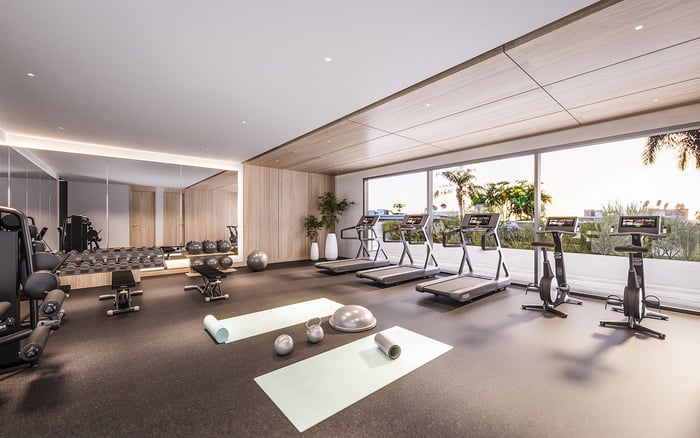
Advertised amenities include a resort-style pool and fitness and wellness facilities. The advertised offering also includes a pet spa, refrigerated package room, EV-ready garage parking, a bay-side promenade, an above-ground garage, and private storage at additional cost.
Pool maintenance, fitness equipment servicing, package-room refrigeration, and garage operations should each have an identifiable place in the operating plan. Request the service scope and distinguish routine maintenance from future equipment replacement. Amenity availability alone does not establish the funded level of support.
Confirm whether parking, storage, EV charging, and optional services carry separate charges. EV-ready parking does not confirm that electricity or charging equipment is included in the association assessment.
For a buyer whose search extends to Miami Beach and The Perigon Miami Beach, the same approach provides a consistent basis for evaluation without presuming comparable amenities or budgets. The useful comparison is what the chosen residence’s payment actually covers.
Obtain the actual wind and flood insurance assumptions supporting the proposed budget, including coverage, premiums, and deductibles. Ask which figures are estimates and which are supported by current quotations or bound coverage. Review insurance as a distinct budget component, not as part of a general contingency.
The reserve review should address structural, waterproofing, façade, elevator, mechanical, and pool systems. Request the allocation and timing assumptions behind the reserve schedule, with professional review of the applicable obligations. A monthly assessment is not fully understood until its operating and reserve components are separated.
Clarify whether developer subsidies or introductory assessment arrangements are contemplated. If any exist, identify their duration and model ownership costs after they end. This is a request for confirmation, not an assertion that Tula offers such arrangements.
Vivian Dimond took over the previously stalled project, with its revival underway in March 2025. A $67 million construction loan from S3 Capital was confirmed in December 2025. Construction financing and association operating funding are separate matters; the loan does not validate the recurring ownership budget.
The completion expectation identified in December 2025 was 2027, not a guaranteed delivery date. Use the purchase agreement’s delivery provisions when planning occupancy and related commitments.
Before committing, seek written alignment among the assessment schedule, staffing model, service agreements, insurance assumptions, and reserves. Keep unresolved items visible in the buyer’s financial review. The objective is straightforward: an ownership budget that explains the cost of the promised experience.
For a discreet discussion of your South Florida ownership priorities, connect with MILLION.
If branded residences are on your mind — as a home or as an allocation — we would be glad to share what we are seeing, privately.
Begin a quiet conversationTula Residences is located at 7918 West Drive, North Bay Village, Florida 33141.
The waterfront condominium is planned as a 21-story tower with 54 residences.
The advertised fee is approximately $3,087 monthly for two-bedroom residence 1403. It is a unit-specific listing figure, not a verified building-wide assessment.
No. The approximately $3,348 median across seven listings may reflect differences in residence size, dates, inclusions, or accuracy rather than a change against a consistent budget baseline.
Tula advertises 24-hour concierge service in the lobby. That promise does not establish staffing numbers, shift arrangements, or validated payroll costs.
No executed escalation rate is established here. Buyers should review renewal dates, adjustment formulas, labor pass-throughs, surcharges, and termination rights.
Request the first-year operating budget, the selected residence’s assessment schedule, the reserve schedule, and a three-year projection. Supporting staffing and service-contract documentation should explain the major expense assumptions.
Private storage is advertised at additional cost. EV-ready parking does not establish that charging equipment or electricity is included, so those charges require confirmation.
Request wind and flood insurance assumptions, premiums, coverage, and deductibles. Review reserve allocations for structural, waterproofing, façade, elevator, mechanical, and pool systems.
No. The expectation identified in December 2025 was completion in 2027; buyers should rely on the purchase agreement’s delivery provisions rather than treating that expectation as binding.