A buyer-oriented review of St. Regis Bahia Mar ownership diligence, distinguishing marketing disclosures from documented construction history, transferable warranties, and resolved or outstanding claims.
The appeal of St. Regis® Residences Bahia Mar Fort Lauderdale begins with private residences in a resort-and-marina setting. For a purchaser, however, the ownership decision also rests on less visible considerations: construction documentation, enforceable warranty terms, and the status of unresolved claims. Each deserves the same scrutiny as the residence itself.
The project is marketed as The St. Regis Residences, Bahia Mar, Fort Lauderdale, with an official address of 611 Seabreeze Boulevard, Fort Lauderdale, FL 33316. It is advertised as “Now selling.” Neither that designation nor the residential brand establishes construction completion, inspection outcomes, warranty transferability, or the absence of defects.
The available disclosures do not establish a verified project-specific construction-defect lawsuit, governmental defect finding, final engineering assessment, or adjudicated claim. Nor do they establish a verified insurance claim or claim number. These limits support neither an allegation of defects nor a claim-free characterization. The practical response is a document-led review before commitment.
An ownership review should begin with the exact property being purchased. A marketed residence is identified at 801 Seabreeze Boulevard, Unit 1003, Floor 10, in the Central Beach neighborhood-an address that differs from the official project address. Buyers should reconcile both addresses with the legal description, applicable parcel information, contracting entity, and condominium documents before initiating title, permit, or court-record searches.
This is a question of identification, not evidence of a defect. The distinction matters: a search under an incomplete address or the wrong entity can leave relevant records outside the review.
The same discipline applies when considering Andare Residences Fort Lauderdale alongside Bahia Mar. Compare the documents tied to each specific purchase rather than assuming similarly presented residences carry equivalent contractual protections. Keep that comparison separate from any claim about either property's condition.
“Construction-defect history” is not a single record category. A useful review distinguishes project-level construction concerns, association common-element matters, individual-unit warranty requests, and insurance claims. A document in one category does not automatically resolve the others.
Request any available defect notices, litigation or arbitration documents, engineering findings, repair records, settlements, and unresolved punch lists. Establish which building, component, or unit each document concerns, who is responsible for the response, and whether the matter remains open. For completed repairs, request evidence of the work and any subsequent inspection findings.
Read a settlement document for what it actually resolves. Match a repair invoice to the underlying issue. Neither should be treated, without further review, as a comprehensive statement about the entire property.
Independent inspection findings belong alongside these records, not beneath marketing descriptions. The objective is to distinguish what has been documented, what has been corrected, and what still requires a decision or further investigation.
A marketed unit carries a “Home Warranty” disclosure, but the available information does not identify the issuer, coverage period, exclusions, claim procedure, or transferability. The phrase alone does not establish a buyer's protection.
Request the complete warranty package: the provider's legal identity, covered components, commencement dates, duration, exclusions, notice deadlines, available remedies, and claim submission requirements. Clarify which protections apply to the individual residence and which, if any, apply to common elements. Ask counsel to distinguish contractual promises from any other potentially applicable rights.
Transferability requires a separate written answer. The available warranty information does not establish whether coverage transfers automatically, requires consent or assignment, or is limited to the original purchaser. Ask about transfer fees, resale restrictions, required forms, and any deadline for completing the process.
For purchasers also considering Four Seasons Hotel & Private Residences Fort Lauderdale or St. Regis® Residences Brickell, the comparison principle is straightforward: evaluate written warranty obligations independently of residential branding. Do not assume brand recognition identifies the party obligated to perform repairs or that different projects share warranty terms.
The available information establishes no verified project-specific insurance claim, notice of loss, or claim number. Buyers should nevertheless request available loss runs, open-claim schedules, insurer correspondence, and related notices. The absence of a disclosed claim is not confirmation that none exists.
Where a matter is identified, assemble a clear chronology: the issue, notice date, responsible parties, response, repair status, and remaining dispute. Keep insurance coverage questions separate from construction responsibility and warranty obligations. A coverage decision may not answer whether a component needs repair.
If documents cannot be provided, request a written explanation of their availability and current status. Have counsel assess what that uncertainty means for the transaction rather than relying on verbal assurances. Match any representation about resolved matters to the relevant closure, settlement, or repair documentation.
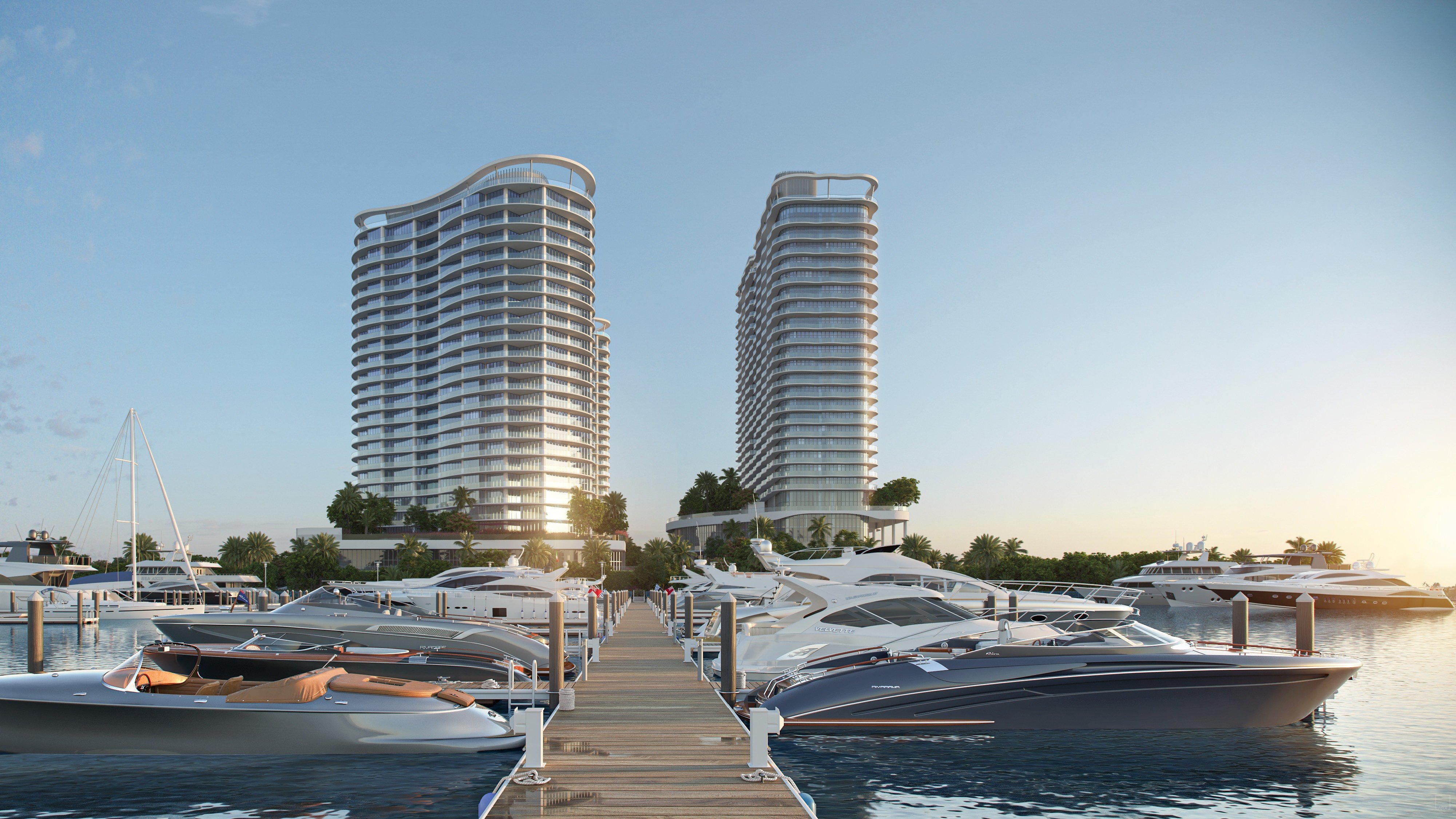
Marina activity is central to Bahia Mar's waterfront identity, including its connection to the Fort Lauderdale International Boat Show since 1956. That setting explains the project's appeal; it does not answer questions about a residence's construction or ownership protections.
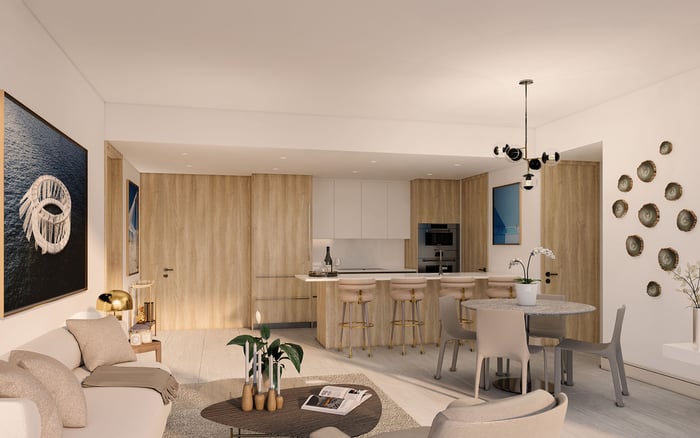
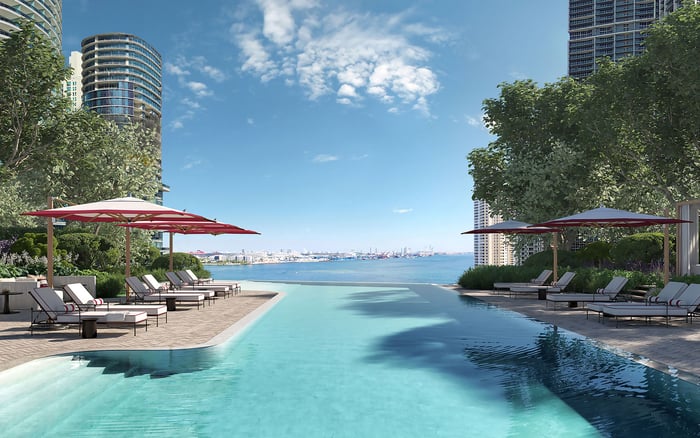
The resort imagery is labeled “artist’s conceptual rendering.” Buyers should distinguish those images from contractual specifications and completed work. Oral representations should not be relied upon as correctly stating the developer's representations. Material promises should therefore be reviewed in the purchase agreement and exhibits.
A “New Construction: Yes” designation attached to the marketed unit does not establish completion or inspection status. Request applicable permits, occupancy certificates, and independent inspection findings rather than drawing conclusions from that label.
Warranty transfer terms matter even to buyers who intend to hold. Keep the warranty package, assignments, claim notices, repair records, and written responses together so a future purchaser can understand what coverage and unresolved obligations remain.
A marketed payment schedule describes deposits totaling 40%: 15% at contract execution, 15% at groundbreaking, and 10% at top-off, with the balance due at closing. The schedule is expressly subject to change without notice. The executed agreement-not that schedule-should guide review of deposit obligations and milestone definitions.
Before committing, have counsel review the purchase agreement and exhibits, condominium documents, title and lien records, and outstanding document requests. A well-prepared purchase does not require pretending uncertainty has disappeared. It requires identifying which questions are answered, which remain open, and whether the written protections support proceeding.
For a discreet perspective on your South Florida residential search, connect with MILLION.
If branded residences are on your mind — as a home or as an allocation — we would be glad to share what we are seeing, privately.
Begin a quiet conversationIt does not establish a verified project-specific defect lawsuit, governmental defect finding, final engineering assessment, or adjudicated claim. That is not proof that no such matter exists.
No verified project-specific insurance claim or claim number is established in the available information. That does not confirm the absence of claims.
The official project address is 611 Seabreeze Boulevard, Fort Lauderdale, FL 33316. Buyers should reconcile it with the address and legal description of their specific residence.
A marketed residence is identified at 801 Seabreeze Boulevard, Unit 1003, Floor 10. The address difference should be reconciled before property and entity searches.
The designation does not establish construction completion or inspection status. Buyers should request applicable permits, occupancy certificates, and inspection findings.
It identifies a warranty disclosure but does not specify the issuer, coverage period, exclusions, claim procedure, or transferability. Buyers need the complete written warranty package.
Automatic transfer is not established. Written terms should clarify assignment requirements, consent, fees, deadlines, and any original-purchaser restrictions.
Request available loss runs, open-claim schedules, insurer correspondence, defect notices, litigation or arbitration documents, settlements, repair records, and unresolved punch lists. Keep unit, common-element, construction, and insurance matters separate.
The described schedule totals 40%: 15% at contract execution, 15% at groundbreaking, and 10% at top-off, with the balance at closing. It is subject to change and should not replace the executed agreement.
Resort imagery is labeled as conceptual, and the developer cautions against reliance on oral representations. Buyers should review material promises in the written purchase documents.