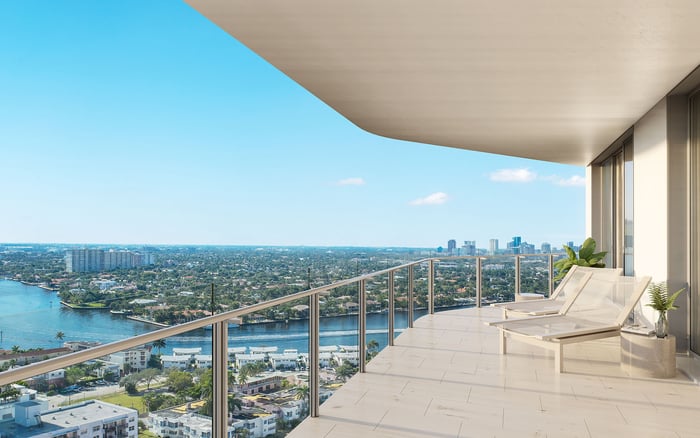
A buyer-focused audit of Sixth & Rio covering vacant-unit inspections, association entry rights, pest-control documentation, maintenance responsibilities, and the evidence to secure before closing.
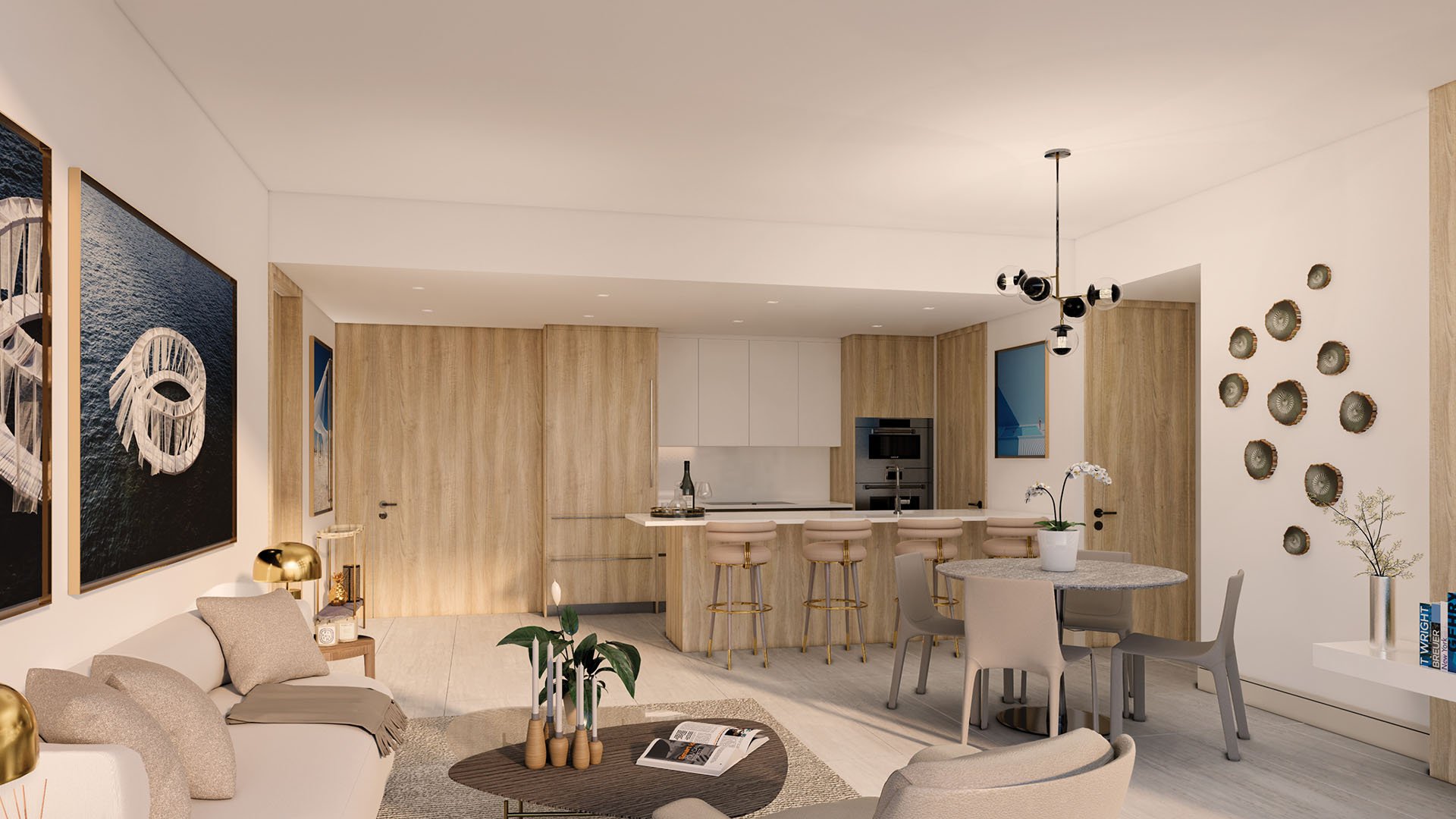
At Sixth & Rio Fort Lauderdale, the purchase decision should extend beyond the waterfront setting and the arrangement of rooms. A residence also carries maintenance obligations, access procedures, and documentation that determine how confidently an owner can leave it unattended. Those details warrant the same scrutiny as finishes and views.
The project is marketed as waterfront and under construction, with projected delivery in 2026. That projection does not confirm completion. Before committing to a closing schedule, verify current construction status, legal occupancy, and readiness to deliver the specific residence. Reconcile project information with official developer materials and the documents furnished under state law.
The objective is not to anticipate a defect. It is to establish what has been inspected, who can enter, who must act, and what evidence will remain after the keys change hands.
Do not evaluate a new residence as though it already has years of operating history. Request available construction and system inspections, warranties, punch lists, proposed operating contracts, and turnover materials. Separate completed documents from drafts, and distinguish an intended service arrangement from an executed agreement.
For Sixth & Rio, do not assume a particular pest-control vendor, treatment frequency, vacant-unit protocol, or maintenance-response record. Request written confirmation of each. If a document is not yet available, establish who will provide it and when. A verbal description is not a finished operating policy.
Buyers also considering Andare Residences Fort Lauderdale can apply the same questions without assuming the buildings share procedures. Compare the completeness of each property's documentation, not merely the confidence of its presentation.
Arrange a professional unit inspection when access is authorized and utilities are operating. An empty interior makes surfaces easier to examine, but appearance alone does not establish that equipment functions correctly. The inspection should cover HVAC, moisture, plumbing, electrical systems, appliances, windows, doors, balconies, and visible leaks or deterioration.
Ask the inspector to identify conditions requiring specialist evaluation and distinguish observed problems from areas that could not be assessed. Record inaccessible spaces and systems that were not operating. An incomplete test must remain an open item, not become an implied approval.
Preserve dated photographs, videos, and written findings. Send a consolidated correction request identifying each issue, the responsible party, the proposed remedy, and the evidence required for closure. After agreed repairs, arrange a final walkthrough and, where appropriate, professional reinspection. A polished presentation is no substitute for documented completion.
Florida condominium law gives an association an irrevocable right to enter units during reasonable hours for necessary maintenance, repair, or replacement of common elements. That authority also covers portions of a unit assigned to association maintenance by the declaration, as well as entry necessary to prevent damage to common elements or another unit.
This does not mean every scheduled pest visit automatically permits unrestricted interior entry. Review the declaration, bylaws, and proposed service arrangements to understand the basis and limits of access. Request written notice procedures, appointment scheduling, emergency-entry arrangements, key custody practices, and a record of who entered and why.
The abandoned-unit provision is separate. Florida law permits a board, at its discretion, to enter an abandoned unit to inspect it and adjoining common elements. Authorized preservation work can include repairs, mold or deterioration remediation, and utility activation. A vacant residence is not automatically abandoned; an owner's absence should not be treated as blanket permission to invoke that provision.
For an owner who will be away regularly, a clear absence protocol may be the most useful operating document. Ask how management contacts the owner, identifies an authorized representative, arranges service appointments, and communicates emergency work afterward. Confirm which procedures apply after closing, rather than during developer-controlled access.
The same discipline applies when evaluating Four Seasons Hotel & Private Residences Fort Lauderdale. A property's name or presentation should not replace a review of its actual access arrangements. The buyer's task is to understand the written procedure for the specific residence.
Request a practical record of each authorized visit: date, purpose, personnel, work performed, and required follow-up. Clarify who receives that record and who is responsible for unresolved items while the owner is away.
Request the proposed pest-control contract, treatment scope, service calendar, interior-access requirements, and notice procedures. Determine whether the arrangement covers common areas, individual residences, or both. Ask how additional treatment is requested and paid for.
Where available, review inspection documents, service records, work orders, invoices, and unresolved corrective actions together. A calendar establishes intended frequency; a work order helps establish what was actually done. Neither alone demonstrates that a recurring issue has been resolved.
Florida's pest-control statute requires licensees to retain covered wood-destroying-organism inspection reports for at least three years. This is not a blanket retention requirement for every pest-service visit. Ask separately how routine treatment records will be retained and made available, and whether inspection findings require corrective work beyond the treatment contract.
Read the declaration and bylaws with a responsibility checklist covering HVAC, plumbing, windows, doors, balconies, waterproofing, pest treatment, and related repairs. For each item, identify who maintains it, who pays, and who authorizes work. Do not assume that equipment serving one residence is necessarily the owner's responsibility, or that an exterior component is necessarily the association's.
Records access also requires precision. Association members and their authorized representatives generally have rights to inspect official records at reasonable times, subject to statutory exceptions. A prospective buyer should not assume an independent right to inspect every record. Where applicable, obtain the current owner's written authorization or, with counsel, negotiate delivery of requested documents as a contractual condition.
Failure to provide access within 10 working days after receipt of a written request creates a rebuttable presumption of willful noncompliance under the statutory provision. This is not a general promise that every pre-purchase document request must be fulfilled on that timetable.
Association official records include structural and life-safety inspection reports, retained for 15 years. Florida's milestone framework generally applies to qualifying residential condominium and cooperative buildings of three stories or more at the applicable statutory age threshold, with recurring inspections afterward. The applicable summary must be distributed to owners within 45 days after receipt.
These obligations do not replace unit-level condition or pest inspections. Confirm current requirements and applicability with counsel. When comparing Sixth & Rio with St. Regis® Residences Bahia Mar Fort Lauderdale, keep those categories distinct rather than treating any inspection label as comprehensive assurance.
Before closing, assemble inspection findings, repair confirmations, invoices, access notices, warranties, and written condition representations. Identify outstanding items and have counsel address their treatment in the transaction documents. The final walkthrough should confirm agreed repairs, not merely repeat the original tour.
For a discreet perspective on South Florida residences and buyer priorities, explore MILLION.
If branded residences are on your mind — as a home or as an allocation — we would be glad to share what we are seeing, privately.
Begin a quiet conversationNo. The advertised delivery is a projection; buyers should confirm current completion, legal occupancy, and readiness to close on their specific residence.
Arrange a professional inspection with utilities operating, covering HVAC, moisture, plumbing, electrical systems, appliances, windows, doors, balconies, and visible deterioration.
Florida law permits access during reasonable hours for specified common-element work, declaration-assigned maintenance, and necessary damage prevention. Buyers should review the governing documents and written entry procedures.
No. The abandoned-unit provision is separate and should not be treated as blanket permission to enter any unoccupied residence.
Request the proposed contract, treatment scope, service calendar, access requirements, notices, and available service records. Review work orders, invoices, and unresolved corrective actions where available.
No. The specified retention requirement concerns covered wood-destroying-organism inspection reports retained by licensees, not every routine pest-service visit.
They should not assume that right. The statutory provision identifies association members and authorized representatives, so owner authorization or contractual document delivery may be needed.
Review the declaration and bylaws to establish maintenance and payment responsibilities for each component. Do not infer responsibility solely from its location or the residence it serves.
No. Milestone inspections address statutory structural obligations and do not substitute for unit-level condition or pest inspections.
Keep photographs, videos, inspection findings, repair confirmations, invoices, access notices, warranties, and written condition representations. Conduct a final walkthrough after agreed repairs.