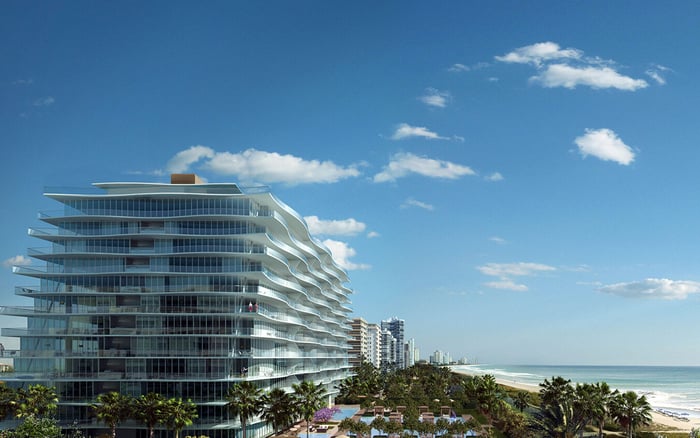
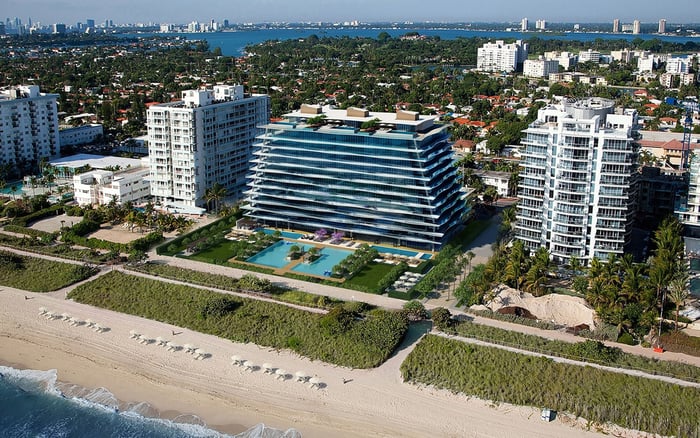
For a Surfside purchase, insurance diligence is inseparable from financial diligence. Buyers should isolate wind, flood, and deductible exposure, then reconcile the unit policy with the condominium association’s master coverage before contractual protections expire.
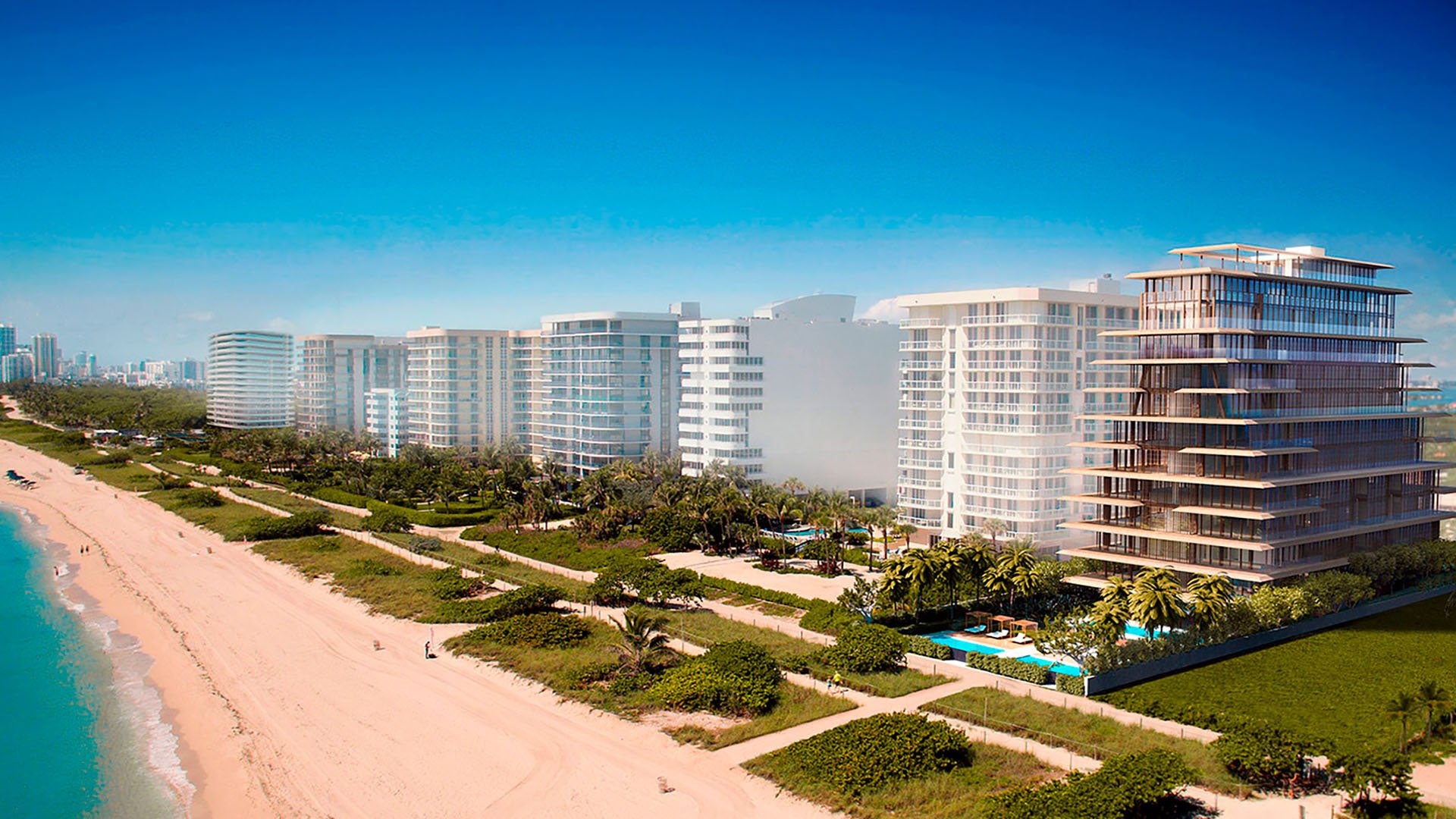
In Surfside, the insurance file warrants the same scrutiny as the residence, condominium documents, and financial statements. Oceanfront ownership can involve several distinct layers of exposure, and an elegant unit alone does not reveal how wind, water, or a major deductible would be allocated after a storm.
This addition to MILLION's Buyer's Guides separates three issues often blurred together: wind coverage, flood protection, and hurricane deductibles. Each addresses a different risk and should be priced, documented, and stress-tested independently. That framework applies whether a buyer is considering Arte Surfside, another condominium, or a single-family property.
The central principle is straightforward: obtain property-specific terms before waiving an insurance or financing contingency. Published averages and advertised discounts may help with initial screening, but neither replaces an underwritten quote tied to the exact residence.
Windstorm damage is typically included in Florida homeowners and condominium-unit policies. If the base policy excludes wind, however, a separate wind-only policy may be necessary. This coverage generally addresses structural damage caused by hurricanes, tropical storms, tornadoes, and other high-wind events.
Wind protection does not cover flooding or storm surge. A coastal buyer may therefore need a separate flood policy, even when the principal homeowners policy includes hurricane wind. Mortgage lenders also commonly require wind protection for properties in hurricane-prone areas, whether within the main policy or through standalone coverage.
For a residence at Fendi Château Residences Surfside or elsewhere along the shoreline, ask the broker to map each likely loss to the policy intended to answer it. The exercise should distinguish wind-driven physical damage from rising water and storm surge, rather than relying on the broad label of hurricane insurance.
A flood-zone designation is more than a map reference. It can affect lender requirements, coverage structure, and the buyer's annual carrying costs. Confirm the property's current flood zone, then ask the lender and insurance broker what that designation means for the specific transaction.
Cash buyers should exercise the same rigor. The absence of a lender requirement does not eliminate the underlying exposure. Second-home buyers, in particular, should determine whether retaining more risk is compatible with how often the residence is occupied and how quickly they could respond after an event.
For waterfront and oceanfront property, request available flood-coverage details at both the unit and association levels. A master policy may protect common property without resolving every interior, contents, temporary-living, or assessment exposure an owner may face. Confirm the exact boundaries in writing rather than inferring them from a summary.
Coastal hurricane or wind deductibles commonly equal 2% to 5% of insured value. Because these deductibles are percentage-based, the out-of-pocket amount can be substantially greater than a familiar flat deductible.
On $1 million of insured value, 2% equals $20,000 and 5% equals $50,000. Buyers should repeat that calculation using the actual insured value in the proposed policy-not the purchase price or an assumed market value. A luxury residence can command a significant price while its insurance contract uses a different valuation basis.
In a condominium, the inquiry extends beyond the unit policy. Before the contract becomes nonrefundable, request the association's master-policy summary, wind and hurricane deductible schedules, flood details, and recent special-assessment history. Ask whether each deductible applies to the unit, the full building, each occurrence, or the hurricane season.
This is especially important when reviewing a residence such as The Surf Club Four Seasons Surfside. The relevant investment question extends beyond the annual premium to the potential liquidity required after a covered event and the mechanism through which building-level costs could reach owners.
A wind-mitigation inspection commonly documents the roof covering, roof-to-wall connections, secondary water resistance, and protection for windows and other openings. In Florida, an inspection typically costs about $75 to $150, and the report is commonly valid for five years.
Verified qualifying features can produce wind-mitigation credits. Strong mitigation characteristics may reduce the windstorm portion of a premium by roughly 20% to 45%, although the actual credit depends on the insurer and construction profile. Ask whether the quoted credits correspond to a current licensed inspection and whether they will remain effective after ownership changes.
For eligible homeowners, a state program offers free wind-mitigation inspections and assistance with qualifying hurricane-hardening improvements. The program includes matching grants of up to $10,000, typically with $2 in state funding for every $1 the homeowner contributes toward approved work. Confirm eligibility and applicability before assigning value to any potential benefit.
One set of July 2026 rate changes produced average statewide decreases of 8.8% for homeowners multiperil policies and 5.1% for homeowner wind-only policies. These averages should not be treated as Surfside quotations. Premiums continue to vary by location, property type, insured value, construction, and mitigation features.
County-level averages also distinguish homeowners policies from condominium-unit policies, both with and without wind coverage. This distinction matters because a broad Florida headline can obscure substantial differences among coastal counties and policy forms. Buyers comparing Ocean House Surfside with another Surfside property should obtain parallel quotes based on comparable limits, deductibles, and assumptions.
A complete pre-closing file should include the unit declarations, master-policy summary, deductible schedules, flood information, mitigation report, written confirmation of credits, and at least one property-specific quote. It should also demonstrate how the proposed coverage satisfies lender conditions.
Are wind and flood insurance the same? No. Wind coverage addresses high-wind damage, while flood protection addresses flooding and storm surge.
Is wind coverage always included in a Florida homeowners policy? It is typically included, but a separate wind-only policy may be necessary when the base policy excludes wind.
Will a mortgage lender require wind protection in Surfside? Lenders commonly require it in hurricane-prone areas, either through the main policy or separate coverage.
Should a cash buyer still check the flood zone? Yes. A cash purchase removes lender oversight, not the property's flood exposure or potential carrying cost.
What does a 2% deductible mean on $1 million of insured value? It represents $20,000 in potential out-of-pocket exposure under the applicable deductible terms.
What does a 5% deductible mean on the same insured value? It equals $50,000, subject to the policy's definition of the deductible and triggering event.
What should a condominium buyer request from the association? Request the master-policy summary, deductible schedules, flood details, and recent special-assessment history.
How long is a wind-mitigation report commonly valid? A Florida wind-mitigation report is commonly valid for five years.
Can mitigation features reduce the windstorm premium? Yes. Verified features may qualify for credits, but the amount varies by insurer and construction profile.
When should a buyer obtain an insurance quote? Obtain it before insurance or financing contingencies expire, using the exact property and proposed coverage terms.
For a discreet conversation and a curated building-by-building shortlist, connect with MILLION.
If branded residences are on your mind — as a home or as an allocation — we would be glad to share what we are seeing, privately.
Begin a quiet conversation