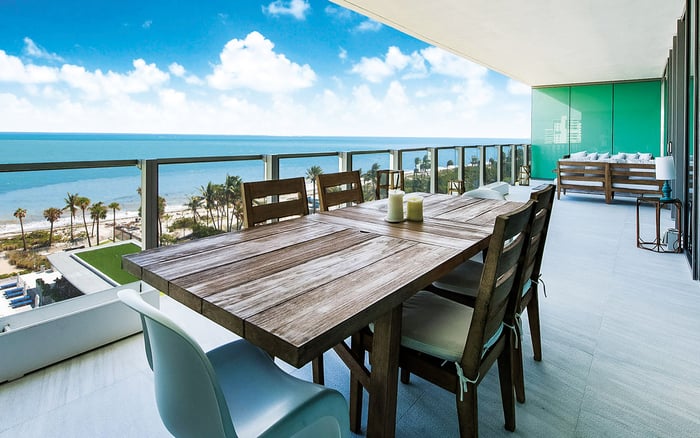
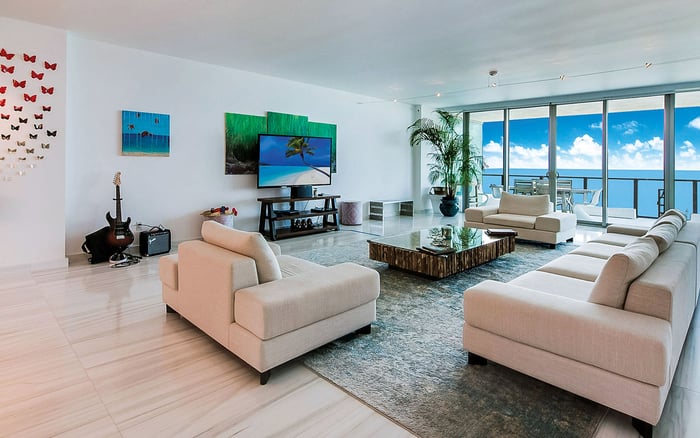
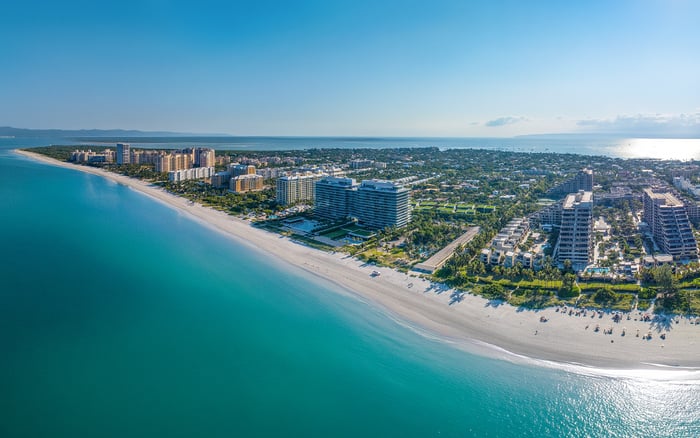
Key Biscayne rewards address-level due diligence. Buyers should test daily routes, model causeway travel, and verify every club or private-dining privilege in writing before committing.
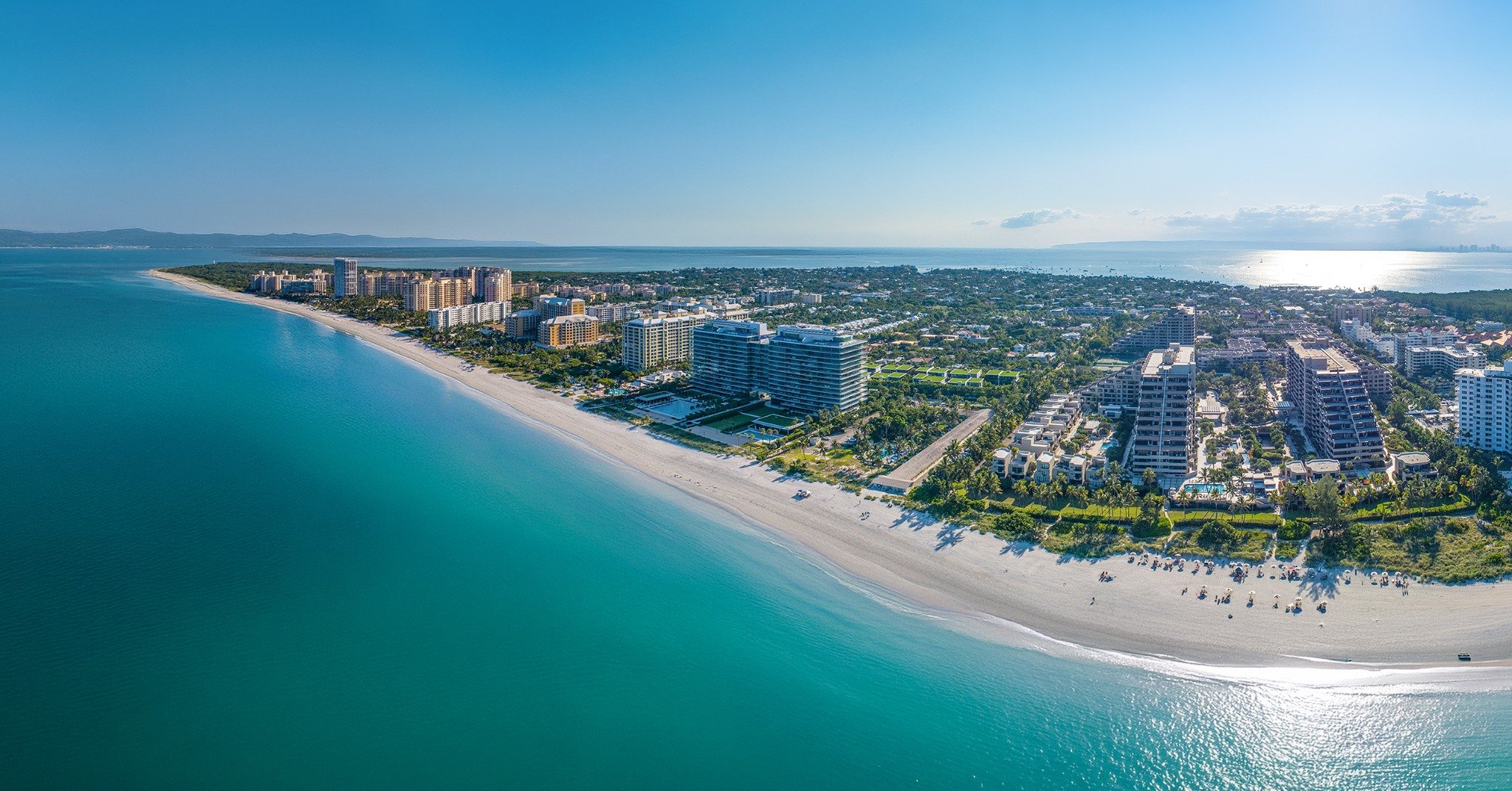
Key Biscayne presents a distinctive proposition for 2026 buyers: a compact residential village where beaches, parks, recreation, and daily conveniences can feel close, while mainland access remains concentrated along a single corridor. That balance is central to the island’s appeal-and why the best purchase is rarely determined by an islandwide statistic alone.
Walking scores range from 60 to 74, with another neighborhood measure at 68. These figures place Key Biscayne between moderately walkable and very walkable, but they are better treated as orientation than verdict. A residence may be convenient to groceries and the beach while still requiring a car for another household member’s routine.
Begin with the routes that will recur: groceries, coffee, restaurants, parks, beach entry points, school drop-offs, fitness appointments, and guest parking. Walk each one from the exact building entrance, not from a map pin. Repeat the exercise at midday and after dark, accounting for heat, rain, bags, children, pets, and mobility needs.
Key Biscayne encompasses about 1.25 square miles of land and has roughly 14,809 residents, helping keep many island destinations relatively close. Even so, convenience changes block by block. A buyer considering Oceana Key Biscayne should evaluate the same practical routes as at any other address, including access from the residence to everyday destinations and transportation.
Bikeability measures of 60 and 66 reinforce the need for address-level testing. Buyers expecting cycling to replace short car trips should ride their likely routes and assess comfort, crossings, storage, and the return journey rather than relying on distance alone.
The island’s recreation-led character is distinct from dense urban walkability. Beaches, parks, and outdoor pursuits are integral to daily life, while the broader range of urban commerce and nightlife remains on the mainland. A public-transit score of 30 suggests that car-free mainland travel may be limited.
The Rickenbacker Causeway is the sole road connection to mainland Miami. The mean commute is about 24 minutes, but a household’s actual experience can vary with weather, events, and weekend visitor traffic. Test the causeway during genuine appointment windows, including school mornings, airport departures, dinner reservations, and service-provider arrivals.
Private-club access can influence a purchase, but ownership and membership should never be treated as interchangeable without documentation. Property-level facts alone do not establish current eligibility, initiation charges, dues, transfer rights, waitlists, guest privileges, dining minimums, or reservation rules.
Request current written terms from the seller, association, and relevant club. Confirm whether access belongs to an individual, family, residence, or separate membership; whether it transfers at closing; and whether approval is required. Marketing phrases such as “club lifestyle” or “access available” should invite questions, not assumptions.
For Resale buyers, the contract and due-diligence period should provide enough time to reconcile listing language with governing documents and direct written confirmation. If a privilege materially affects value, ask the appropriate legal adviser to review how-or whether-it survives the transaction.
Private dining holds value when it suits the owner’s habits, not merely when it appears on an amenity sheet. Buyers should confirm who may reserve, booking lead times, cancellation terms, guest limits, minimum spending, service charges, seasonal restrictions, dress expectations, and whether the spaces are shared with hotel or club patrons.
Request the current rules and a sample reservation process. Then test the practical details: how guests enter, where they park, whether outside catering is permitted, and what happens during peak periods. These points often determine whether a dining room becomes a genuine extension of the home.
A Key Biscayne purchase should also be tested against other South Florida lifestyle models. Buyers seeking closer access to mainland dining might compare island living with Park Grove Coconut Grove or Una Residences Brickell. These comparisons do not replace property-level review, but they clarify how much a household values island separation relative to mainland proximity.
For buyers considering a more access-controlled island setting, The Residences at Six Fisher Island offers another useful point of comparison. In every case, assess the residence itself, transportation pattern, membership structure, and guest experience rather than drawing conclusions from the neighborhood name.
Second-home buyers should map the less visible routines: airport transfers, property management, deliveries, housekeeping, contractors, storm preparation, and guest handoffs. Causeway variability matters even when the owner does not commute daily, because every service visit and mainland arrival relies on the same road connection.
Before closing, review municipal notices and current local regulations, association documents, parking arrangements, bicycle storage, beach routes, club paperwork, and private-dining rules. The right Key Biscayne residence is one whose access patterns remain elegant on an ordinary Tuesday, not only during a weekend showing.
Is Key Biscayne walkable in 2026? Walking scores range from 60 to 74. Test the exact address against the errands and recreation that matter to your household.
Can most daily errands be completed on foot? Many may be, particularly given the village’s compact scale, but convenience varies by residence and destination.
Is Key Biscayne practical without a car? Island routines may be manageable for some buyers, but a public-transit score of 30 indicates limited car-free mainland mobility.
What should commuters test before buying? Drive the Rickenbacker Causeway during actual work, school, airport, and weekend windows, including adverse-weather conditions when practical.
Does buying a residence automatically include club membership? Do not assume so. Confirm eligibility, transferability, approval requirements, fees, and privileges in current written documents.
What private-dining terms deserve review? Review reservation priority, guest limits, minimum spending, service charges, cancellation rules, catering policies, and seasonal restrictions.
Are walkability scores enough to compare properties? No. Building exits, crossings, weather exposure, parking, and the location of specific destinations can materially alter the experience.
Should buyers evaluate cycling separately? Yes. Ride the intended routes and confirm crossing comfort, bicycle storage, and how weather affects regular use.
Why does the causeway matter to occasional residents? Guests, deliveries, contractors, airport transfers, and property managers all depend on the island’s sole mainland road connection.
What belongs in final due diligence? Review association records, municipal requirements, parking, route tests, club documents, dining rules, and written representations with qualified advisers.
For a discreet conversation and a curated building-by-building shortlist, connect with MILLION.
If branded residences are on your mind — as a home or as an allocation — we would be glad to share what we are seeing, privately.
Begin a quiet conversation