A discreet buyer’s framework for evaluating building access, operational security, digital safeguards, emergency readiness, and ownership privacy before purchasing in Sunny Isles Beach.
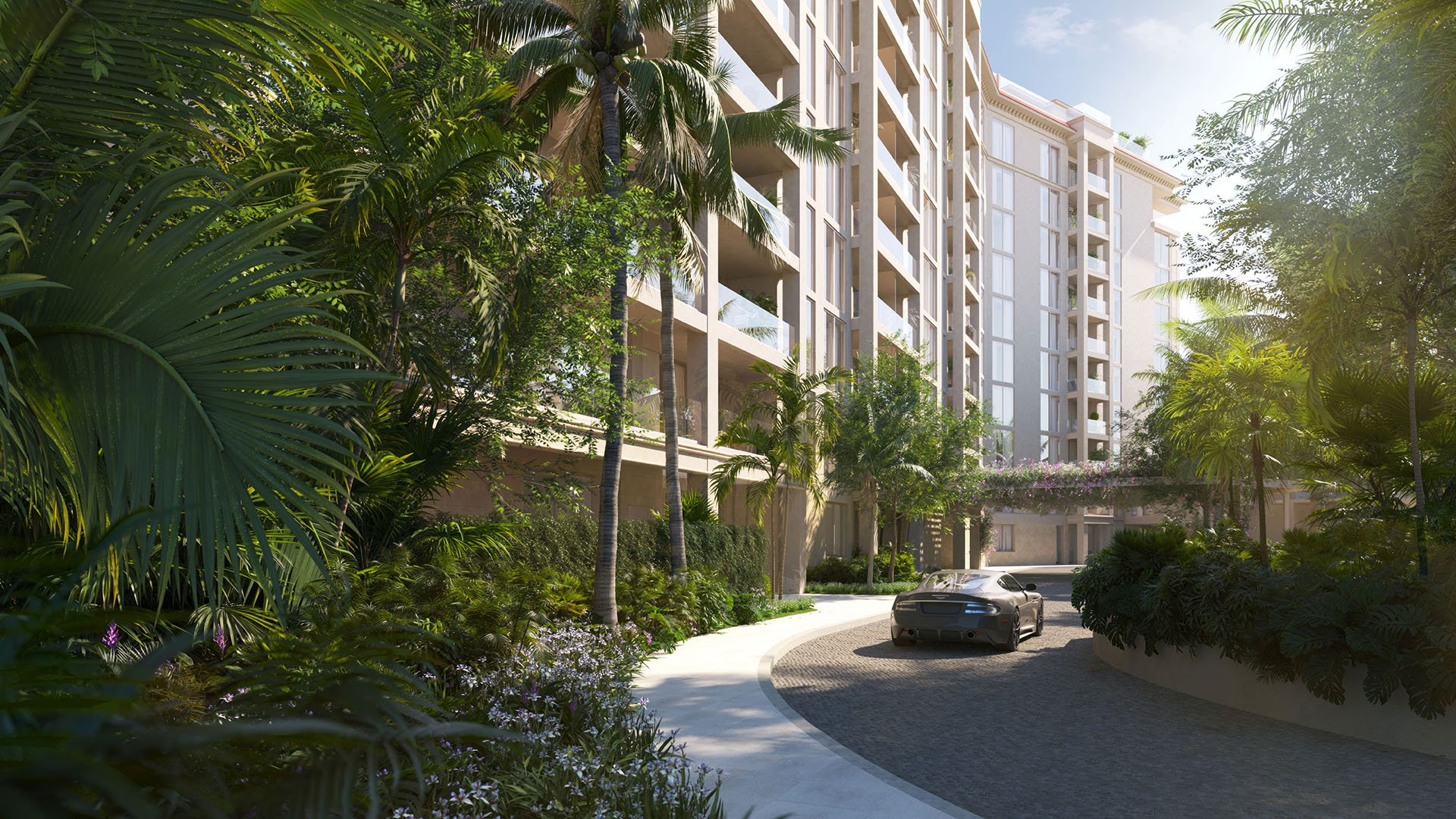
For a luxury buyer, security is not simply a staffed desk, a camera array, or a controlled garage. It is the combined performance of people, procedures, physical barriers, technology, and resident behavior. Each layer should support the next without introducing unnecessary friction into daily life.
Begin by mapping the complete journey from the public realm to the residence door. Identify every transition point: vehicle arrival, pedestrian entry, lobby access, elevator authorization, amenity access, service circulation, package handling, and entry into the private home. Then determine who controls each point, which credentials are accepted, how exceptions are approved, and what happens when a system is unavailable.
This approach is especially useful when comparing oceanfront residences, where the desired experience may feel effortless even when the operating structure behind it is complex. The most persuasive answer is not a polished description, but a clear, repeatable protocol that management can explain without ambiguity.
A buyer should examine access by user type rather than treat the building as a single secured environment. Residents, guests, domestic staff, contractors, brokers, delivery personnel, drivers, and emergency responders may follow different paths. Ask for a walkthrough of each route and an explanation of the authorization and revocation process.
Consider practical scenarios. How is a recurring household employee enrolled and removed? Can a guest reach a residential floor without direct approval? Where do food, floral, luggage, and high-value deliveries wait? How are after-hours vendors handled? Who can issue temporary credentials, and can their use be reviewed later?
Apply the same questions consistently when considering Bentley Residences Sunny Isles, St. Regis® Residences Sunny Isles, or any other candidate. Project presentations provide context, but buyers should obtain current operational answers through the appropriate transaction and management channels.
Privacy is best understood as controlled exposure. It encompasses what is visible to the public, what the association or management team retains, what household information enters building systems, and which parties may access it. Complete anonymity should never be assumed.
Before selecting an ownership structure, consult qualified legal and tax advisers. Ask them to address public-record exposure, lender requirements, insurance documentation, association disclosures, estate planning, and the consequences of using an entity or trust. A structure that appears discreet may create obligations or complications elsewhere, so privacy decisions should be coordinated rather than made in isolation.
Operational privacy matters as well. Ask how resident directories are managed, whether staff may confirm occupancy, how guest details are stored, and how long access logs or camera recordings are retained. Determine who can retrieve those records and under what internal approval process. For a second-home buyer, include protocols for extended absences, authorized representatives, and unoccupied-residence checks in the discussion.
Building controls do not replace residence-level planning. During inspections and design review, discuss the entry door, locks, alarm interfaces, interior cameras, network equipment, smart-home controls, safe placement, backup power expectations, and emergency communications with qualified professionals. Before committing to a system, confirm which modifications require association approval.
Digital privacy deserves equal attention. Establish who receives administrator credentials, how former vendors lose access, whether household and guest networks can be separated, and how software updates will be managed. Inventory every connected device rather than focus only on the most visible control panel.
When evaluating Jade Signature Sunny Isles Beach or The Ritz-Carlton Residences® Sunny Isles, ask how a residence-level system may interact with the building’s current infrastructure. Compatibility, permissions, monitoring responsibility, and future servicing should be clarified before installation.
Technology is only one part of the operating model. Ask who supervises security personnel, how incidents move up the chain of command, and how residents report concerns. Determine whether front-desk, valet, engineering, housekeeping, and management teams follow coordinated procedures or separate playbooks.
Buyers need not request sensitive technical details. The objective is to understand governance: who makes decisions, records incidents, communicates with residents, and authorizes changes after a problem. A discreetly managed property should be able to explain accountability without revealing information that could weaken security.
Lifestyle fit also matters. A household that hosts frequently has different access needs from one that prioritizes minimal visibility. Families with staff, collectors receiving specialized deliveries, and principals traveling with protection teams may require tailored procedures. Ask whether reasonable arrangements can be documented and whether they remain subject to rules, staffing limits, or advance notice.
Security questions should enter the process before the final decision, not after closing. Buyers should review available governing documents, relevant policies, alteration requirements, insurance considerations, emergency communications, and management responses with their professional advisers. Distinguish written policy from informal practice.
For new construction, ask which systems and procedures are final, which remain subject to change, and when the operating team will assume responsibility. For resale, separate the current owner’s personal setup from building-provided services and determine what transfers with the residence.
Create a written matrix for every shortlisted property. Apply the same categories, assign open questions, record who supplied each answer, and flag representations that require confirmation in the transaction documents. The goal is not to identify a supposedly impenetrable building. It is to select a home whose security culture, privacy posture, and daily procedures align with the household’s actual risk profile.
Before tours, prepare a concise brief covering household composition, regular staff, expected guest patterns, vehicle arrangements, travel frequency, delivery needs, technology preferences, and the desired degree of visibility. Share sensitive details selectively and only with advisers who need them.
During tours, observe without testing or bypassing controls. Note whether entrances are easy to understand, visitors are directed consistently, and private and service movements appear thoughtfully organized. Follow up through formal channels rather than ask on-site personnel to disclose restricted procedures.
The final review should combine legal, insurance, technology, property-management, and personal-security perspectives where appropriate. In Sunny Isles Beach, the right residence is not merely the one with the longest amenity list. It is the one whose layers can be understood, verified, maintained, and lived with comfortably.
What is the first security question a buyer should ask? Ask management to explain the complete path from arrival to the residence and identify who controls each transition.
Should buyers rely on a staffed lobby? No. A staffed lobby is one layer and should be considered alongside credentials, elevators, garages, service routes, and residence controls.
How should guest access be evaluated? Review advance authorization, identity confirmation, floor access, after-hours procedures, and the process for ending temporary access.
What should a buyer ask about deliveries? Clarify acceptance locations, notifications, storage, staff handling, after-hours rules, and procedures for valuable or oversized items.
Can an ownership entity guarantee privacy? No guarantee should be assumed. Qualified legal and tax advisers should assess records, disclosures, financing, insurance, and estate-planning implications.
Why do access logs matter? They may support operational review, but buyers should ask what is collected, who can access it, and how long it is retained.
Should smart-home security be reviewed separately? Yes. Confirm credentials, network design, vendor permissions, software maintenance, monitoring responsibility, and compatibility with building systems.
What changes for a seasonal residence? Focus on absence protocols, authorized representatives, emergency contacts, residence checks, vendor access, and remote-system maintenance.
How should buyers compare different buildings? Use one written matrix covering physical access, staffing, visitors, deliveries, digital privacy, emergencies, and residence-level customization.
Who should join the final privacy review? Depending on the household, include legal, tax, insurance, technology, property-management, and personal-security professionals.
When you're ready to tour or underwrite the options, connect with MILLION.
If branded residences are on your mind — as a home or as an allocation — we would be glad to share what we are seeing, privately.
Begin a quiet conversation