For buyers at The Delmore Surfside, the payment calendar is only half the deposit-protection equation. Understanding construction-release permissions, the statutory 10% threshold, and refund remedies is essential before committing capital.
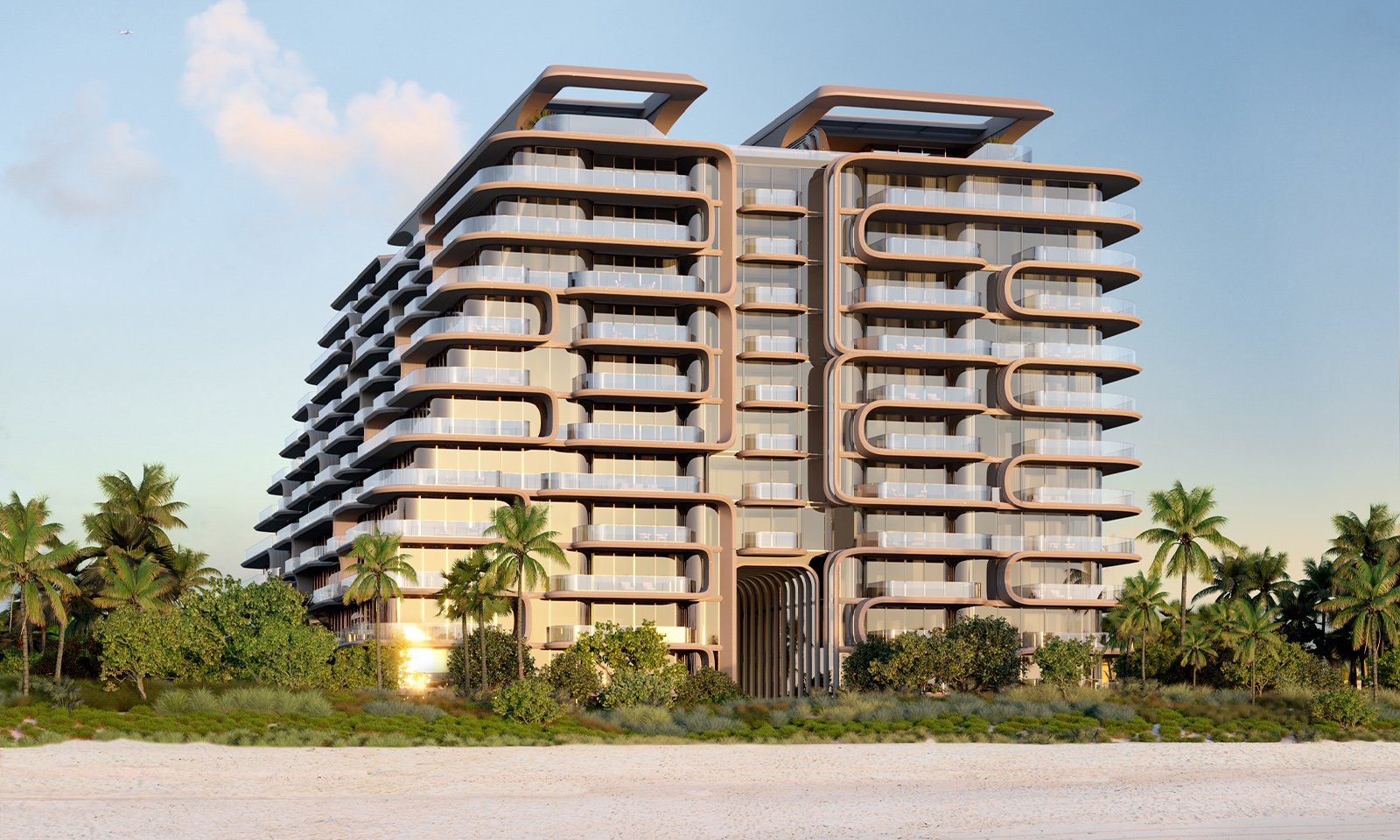
At The Delmore Surfside, deposit diligence belongs alongside residence selection. Announced as a 12-story condominium with 37 fully furnished residences, the project entails a substantial capital commitment for each buyer. Starting pricing was around $15 million in November 2025. At that price, even 10% represents $1.5 million; current pricing requires confirmation.
The essential distinction is straightforward: a payment milestone determines when a buyer must fund, while an escrow-release condition determines when that money may leave custody. These are separate events. A substantial deposit can satisfy the purchase agreement without remaining entirely in cash until closing.
For a Surfside buyer, the question is not simply how much is due. It is how much must remain in escrow, what authorizes withdrawals, and what remedy applies if the purchase does not close.
A circulating payment schedule lists 20% at contract, another 10% at 120 days after signing, 10% upon pouring the unit slab, 10% at topping off, and the remaining 50% at closing.
Treat that sequence as a planning reference, not confirmation of the terms governing an individual purchase. The signed agreement must establish the actual obligations. Before committing, have counsel reconcile the schedule with the contract's definitions, notice provisions, and milestone language.
Even if those percentages govern, they answer only the funding question. The unit-slab installment does not, by itself, establish when the escrow agent may release that installment or earlier payments. Likewise, topping off is a proposed payment trigger in the circulating schedule-not proof that all deposits remain in escrow until then.
For buyers also considering Ocean House Surfside, the comparison should remain document-specific. Do not carry a payment schedule or assumed escrow protection from one purchase opportunity to another.
Florida condominium law governs purchaser payments when a condominium's construction, furnishing, and landscaping have not been substantially completed as represented. It generally requires payments up to 10% of the purchase price to be held in escrow, subject to statutory exceptions and permitted disbursements.
That initial category is not untouchable. The law provides for disbursement in circumstances including closing and buyer default. Counsel should identify which provisions apply to the transaction rather than treating the threshold as unconditional insurance.
Payments above 10% have special-escrow requirements, but qualifying construction withdrawals can reduce the balance remaining in custody. The framework uses an independent escrow agent; that independence does not mean every deposited dollar must remain in escrow throughout construction.
The practical distinction is between money credited toward the purchase price and money still available in escrow. Both matter, but they measure different things.
Excess deposits may be used for authorized construction and development costs when construction has begun and the purchase contract expressly permits that use. A contract granting that permission must contain the statutory conspicuous warning. A payment schedule alone does not establish release permissions.
Permitted withdrawals are not an unrestricted allowance for the developer's general corporate expenses. They are limited to actual construction and development costs. The buyer's review should connect the authorization clause to the escrow agreement and any applicable release procedures.
Ask counsel to address four points before funding:
Permission: Locate the express construction-use authorization and required warning.
Custody: Confirm the escrow agent's identity and the provisions governing deposited funds.
Release conditions: Identify the documentation, approvals, and any certifications required before a draw.
Visibility: Determine whether the agreements provide notices, statements, or information about withdrawals and remaining balances.
The last two points are document-review questions, not claims that Delmore offers particular reporting or certification safeguards. If additional protections matter to your decision, ask whether they can be negotiated and incorporated into the signed documents. Do not assume bond coverage or a separate repayment guarantee.
Consider a hypothetical $30 million purchase with 20% paid at contract. The $6 million deposit divides into two categories: $3 million within the initial 10% threshold and $3 million above it, potentially available for authorized construction use.
If cumulative payments later reach 50%, the buyer has funded $15 million. Of that amount, $12 million exceeds the 10% threshold and may be available for qualifying withdrawals. This illustrates statutory categories; it is not evidence that any particular Delmore funds have been released.
The initial $3 million remains subject to the statutory qualifications already discussed. Nor is the $12 million above the threshold automatically spent simply because it is eligible for authorized use.
A buyer's liquidity plan should therefore distinguish total deposits paid, the amount potentially releasable, and the actual balance held. Only the governing documents and applicable account information can establish the transaction's position.
Escrow protection does not create a general right to cancel. Under Florida condominium law, a buyer who properly terminates under the contract or condominium law and is not in default is entitled to the return of covered escrow payments, with interest earned, if any.
That principle does not mean every delay, design change, or change of mind produces a refund. Before any action, counsel must evaluate the termination grounds, contractual requirements, and buyer's default status. The law also permits escrow disbursement upon buyer default in applicable circumstances.
Once authorized deposits have been spent on construction, a refund claim differs from recovering cash still held by an escrow agent. Recovery may require enforcement against the developer. A legal entitlement and an immediately accessible balance are not interchangeable.
At the reservation stage, distinguish the documents carefully. Florida condominium law permits reservation deposits following approval of properly filed escrow and reservation agreement forms; a reservation is not an executed purchase contract.
For a buyer weighing Delmore against Rivage Bal Harbour, assess deposit protections separately from the residence's appeal. Similar payment percentages do not establish equivalent release conditions or refund remedies.
Before wiring funds, have Florida condominium counsel review the purchase and escrow agreements together. Request a written explanation of payment obligations, construction-use permissions, release conditions, and termination remedies. Confirm what can leave escrow, what must remain, and what recovery would involve if performance breaks down.
The disciplined purchase is not necessarily the one with the smallest deposit. It is the one whose capital commitments and contractual exposure the buyer understands before signing.
For a discreet perspective on South Florida residential opportunities, explore MILLION.
If branded residences are on your mind — as a home or as an allocation — we would be glad to share what we are seeing, privately.
Begin a quiet conversationA payment trigger determines when the buyer must deposit money. A release trigger determines when the escrow agent may disburse it under the governing legal and contractual conditions.
It describes 20% at contract, 10% after 120 days, 10% upon pouring the unit slab, 10% at topping off, and 50% at closing. Confirm the terms governing your purchase in the signed agreement.
No; Florida's initial 10% escrow baseline is subject to statutory exceptions and permitted disbursements, including applicable closing and buyer-default provisions.
Payments above 10% may fund authorized construction and development costs once construction has begun and the purchase contract expressly permits that use. The contract must also contain the required conspicuous warning.
No; authorized withdrawals are limited to actual construction and development costs rather than unrestricted general corporate spending.
Not necessarily. Forty percentage points exceed the initial 10% threshold and may be available for qualifying construction withdrawals.
No. Independent custody does not prevent authorized releases or eliminate contractual default consequences, and cash already spent may require recovery from the developer.
No. Counsel must assess the contract and applicable condominium law to determine whether a delay supports proper termination and a refund.
No. Reservation deposits fall within a distinct statutory framework, and a reservation should not be treated as an executed purchase agreement.
Counsel should examine the purchase and escrow agreements for payment obligations, construction-use authorization, release conditions, the escrow agent's identity, and refund remedies. Any bond coverage or additional repayment protection should be confirmed rather than assumed.