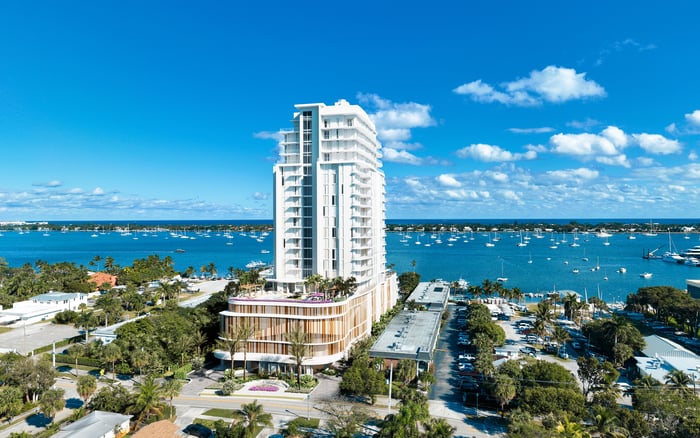
Mandarin Oriental Residences, West Palm Beach is planned as a standalone waterfront residential tower. Buyers considering a furniture package should separate loose property from installed components, establish title and risk of loss, secure fair substitution rights through the projected 2031 delivery, and preserve flexibility to replace items or resell the residence furnished, partially furnished, or unfurnished.
The appeal of Mandarin Oriental Residences, West Palm Beach begins with a clear proposition: a forthcoming ultra-luxury branded residential development with direct Intracoastal waterfront access. Planned for 5400 North Flagler Drive, it will comprise standalone private residences rather than a condominium-hotel with hotel rooms.
Plans call for 87 residences in a 31-story tower rising approximately 360 feet. Expected layouts range from two to four bedrooms and approximately 2,100 to 6,300 square feet, encompassing conventional residences, multilevel villas, and a contemplated full-floor penthouse. Pricing starts around $3.5 million and extends to approximately $20 million before penthouse offerings.
Those headline facts establish the real-estate purchase. They do not, however, define the legal or commercial status of a sofa, dining table, bed, artwork, or branded accessory that may later be offered through a furnishing program.
A beautifully coordinated interior is valuable only when its ownership terms are equally clear.
Residence specifications focus on installed elements. Kitchens are expected to include Wolf and Sub-Zero appliances, integrated refrigeration, a gas cooktop, ovens, wine storage, premium dishwashers, natural-stone surfaces, and custom cabinetry. Select residences add features such as a Wolf coffee machine, walk-in pantry, and optional privacy-glass door system.
Primary bedrooms are described with built-out walk-in closets and a midnight bar with a refrigerator. Bathrooms are expected to feature natural stone, designer vanities, soaking tubs, smart toilets, and multifunction showers. These components should not be casually conflated with loose furniture: their attachment, warranties, insurance treatment, and transfer mechanics may differ.
A buyer should not assume that a mandatory, standardized loose-furniture package exists or that ownership, replacement, and resale terms will be unrestricted. Current pricing, floor plans, and sales-package details are available on request, making the complete contract set more consequential than any marketing summary.
A buyer should request a schedule categorizing every object as loose personal property, a built-in, an appliance, a fixture, or association property. It should identify the furniture seller-whether the developer, an affiliate, a designer, or an independent vendor-and specify when title to each item transfers.
The agreement should also state whether artwork, signature objects, and branded accessories are sold outright, leased, or licensed. Counsel should verify that no undisclosed lien, continuing license fee, management charge, or brand-related payment attaches to the furniture. Risk of loss should remain with the seller until delivery, installation, inspection, and documented acceptance are complete.
This edition of MILLION's Buyer's Guides treats that schedule as a core diligence document, not a decorative appendix. Buyers comparing other Branded Residences, including The Residences at Mandarin Oriental Boca Raton, should apply the same discipline while recognizing that every project has distinct contracts and rules.
Completion is targeted for 2031. For a Pre-Construction purchase, the long interval between contract and delivery increases the practical likelihood that a specified textile, finish, product line, or manufacturer model could be delayed, altered, or discontinued. A polished rendering cannot resolve who bears that risk.
Any advance furniture order should establish objective standards for substitutions, notice requirements, approval procedures, and price-adjustment rights. The buyer should be able to reject a materially inferior replacement and understand the available remedy if the seller cannot perform. Manufacturer warranties, claim procedures, repair rights, and remedies for damaged or defective goods should accompany the package.
Customization likewise requires precision. The documents should explain whether an owner-selected change affects warranties, design review, delivery timing, or eligibility for any brand-curated designation. New-construction buyers should avoid language granting a seller unlimited discretion to substitute items described only as comparable.
Furniture is consumable in a way that stone, cabinetry, and many installed improvements are not. Upholstery wears, dimensions may prove impractical, and a future owner may prefer a different interior. The contract should preserve the right to replace package pieces with commercially reasonable alternatives rather than identical or brand-approved products.
Condominium documents and design rules still warrant separate review. Balcony furniture, window treatments, and objects visible from outside may be regulated to protect the building's exterior presentation. By contrast, the buyer should confirm that interior furniture not visible from common areas remains within the owner's discretion.
That distinction matters across the West Palm Beach waterfront market. Purchasers considering Forté on Flagler West Palm Beach or The Ritz-Carlton Residences® West Palm Beach can use the same questions to compare furnishing obligations, although no project's documents should be assumed to mirror another's.
The owner should retain the express right to sell the residence furnished, partially furnished, or unfurnished without separate approval from the developer, association, designer, or brand. The documents should also permit furniture to be separately itemized and valued as personal property in a future transaction, clarifying the scope of a sale for both parties.
A buyer should ask whether removing signature pieces affects any representation that the home is brand-curated. If a purchaser may market a turnkey interior, the contract should identify which objects can legally convey and whether any licenses or usage restrictions survive. If the residence will be sold empty, there should be no penalty merely because the original package is no longer intact.
Loose furniture may also require coverage at full replacement value because it can be treated differently from cabinetry, appliances, and installed improvements. Insurance advice should align with the ownership schedule and the point at which risk of loss passes.
Florida condominium counsel should review the furniture agreement separately from the condominium purchase contract. The working file should include every furnishing schedule and addendum, the seller's identity, payment milestones, title-transfer language, delivery obligations, inspection procedures, substitution standards, warranties, insurance responsibilities, and resale permissions.
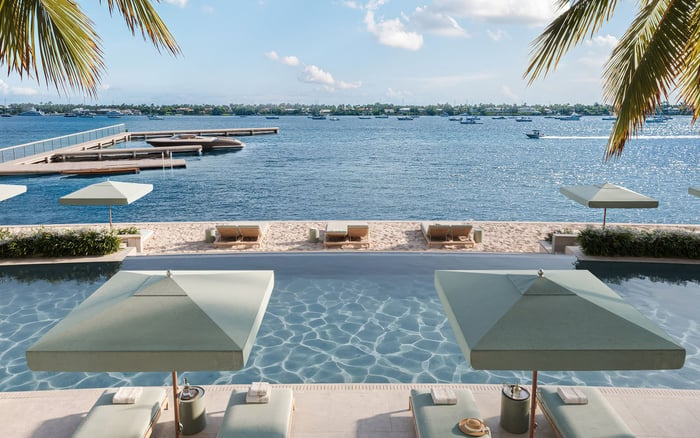
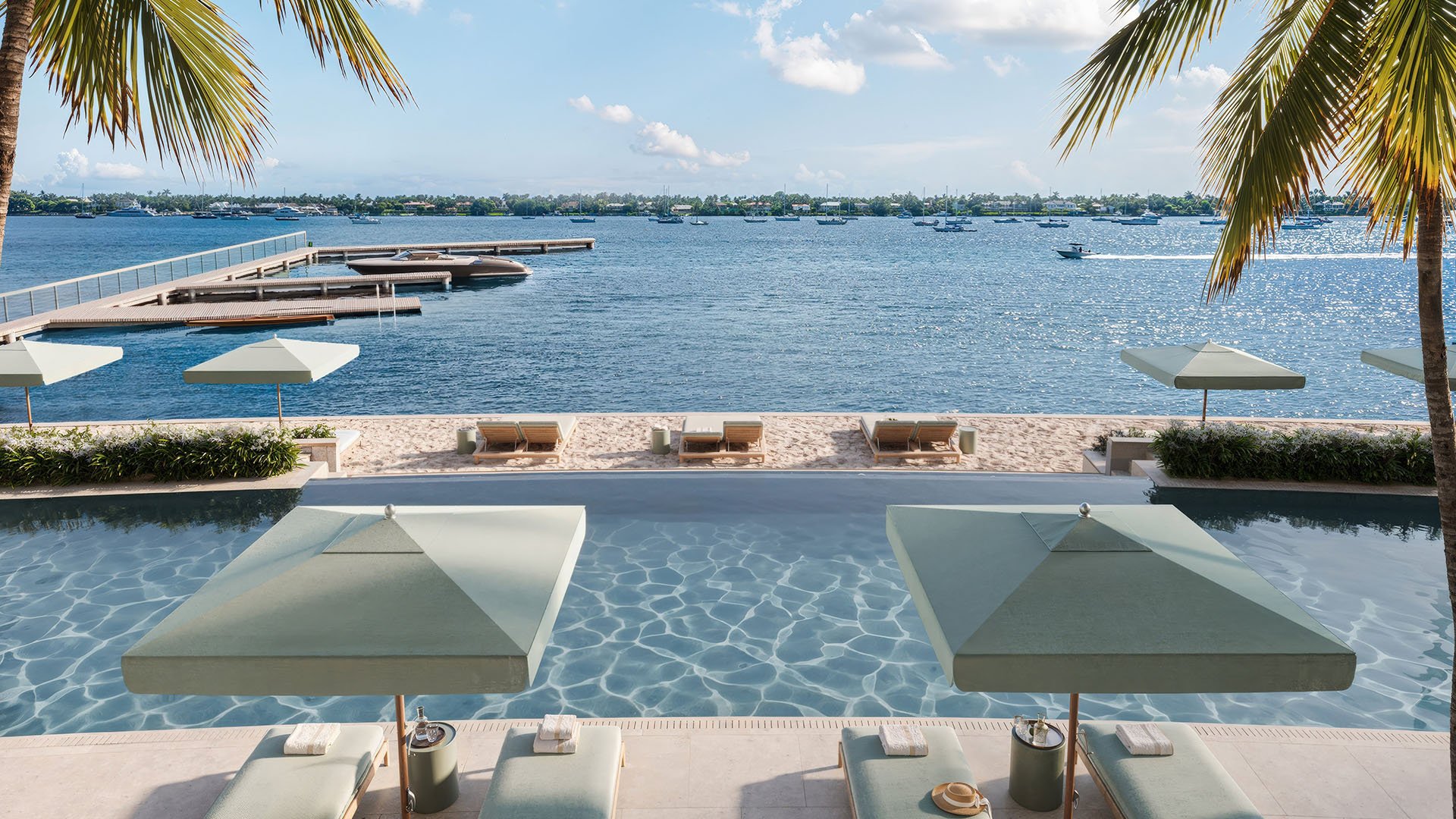
The planned amenities-including pools, cabanas, spa and fitness facilities, resident lounges, and pickleball-help frame an elevated waterfront lifestyle. Yet the enduring value of a furniture package depends less on visual harmony than on contractual control. The prudent buyer secures the freedom to own, insure, replace, and eventually transfer each item on intelligible terms.
For discreet guidance on South Florida's most considered residential opportunities, connect with MILLION.
If branded residences are on your mind — as a home or as an allocation — we would be glad to share what we are seeing, privately.
Begin a quiet conversationIt is presented as standalone private residences rather than a condominium-hotel with hotel rooms.
No. Buyers should review the complete contract set to determine whether a package is offered and what terms govern it.
It should separate loose personal property from built-ins, appliances, fixtures, and association property.
The agreement should state the exact transfer point for each item, with risk of loss preferably remaining with the seller through delivery, installation, inspection, and acceptance.
The long horizon increases the importance of clear provisions for delay, discontinuation, substitution, price adjustments, and nonperformance.
The contract should preserve the right to use commercially reasonable alternatives rather than requiring identical or brand-approved replacements.
Rules may control balcony furniture, window treatments, or items visible from outside, so buyers should confirm that nonvisible interior choices remain discretionary.
Buyers should secure the right to sell furnished, partially furnished, or unfurnished and to itemize personal property separately where appropriate.
Buyers should obtain manufacturer warranties, claim procedures, and remedies for defective, delayed, damaged, substituted, or discontinued products.
Florida condominium counsel should review it separately from the condominium purchase contract and alongside the declaration, design rules, and all addenda.