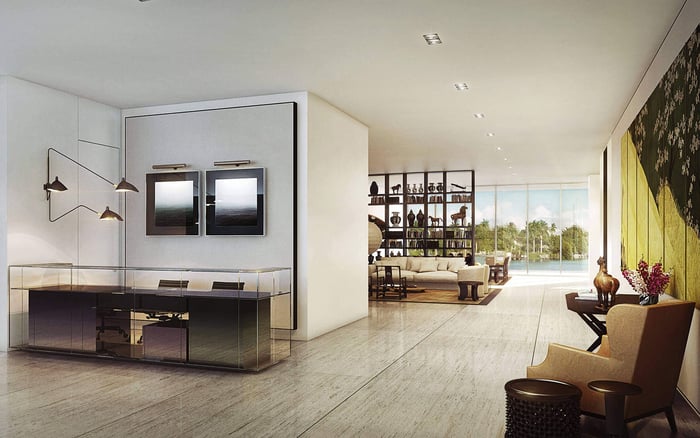
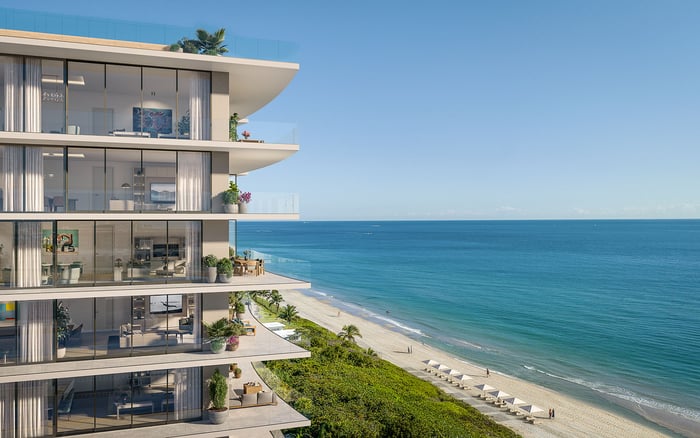
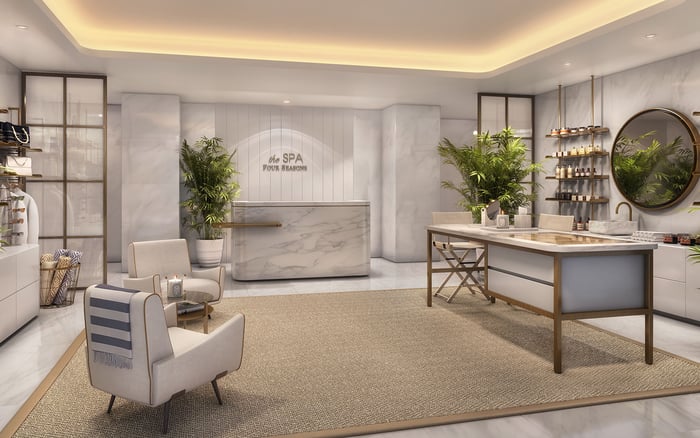
For families occupying 2000 Ocean throughout the academic year, resilience is not an abstract building feature. Generator scope, elevator operation and storm staffing directly affect ordinary routines, making written operational records essential before purchase.
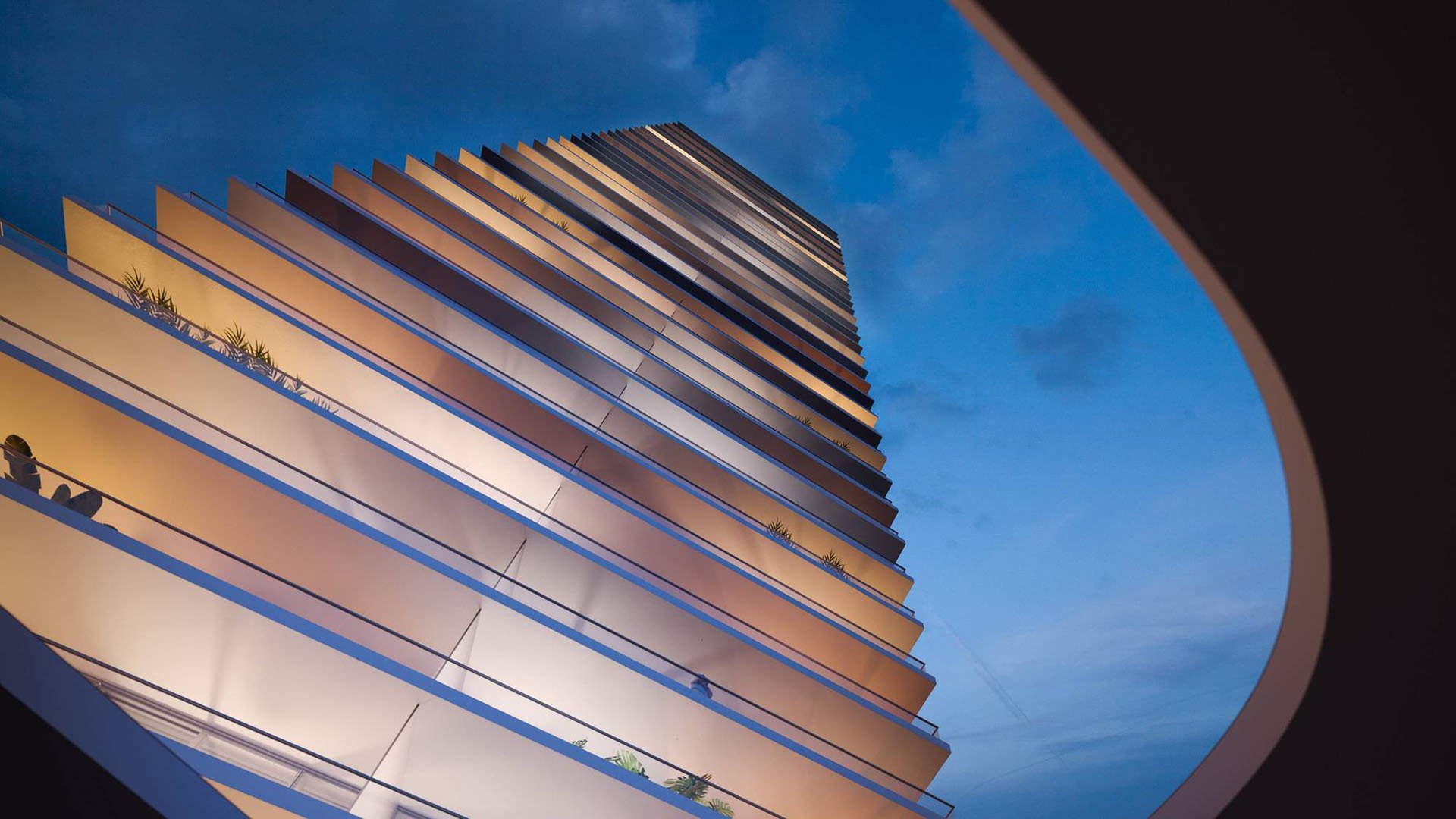
A seasonal residence can accommodate certain inconveniences that a family home cannot. When a condominium supports weekday departures, school pickups, homework, meal preparation and extracurricular travel, its operational systems become part of the household schedule. At 2000 Ocean Hallandale Beach, the question is not simply whether backup power exists, but what that power serves, for how long and with what level of staff support.
The boutique oceanfront condominium stands at 2000 South Ocean Drive in Hallandale Beach, just north of Golden Beach and between Miami and Fort Lauderdale. Its setting is compelling for buyers balancing coastal living with movement across South Florida. Yet location and amenity quality should be evaluated alongside resilience, particularly when children must arrive at school on time after a storm or utility interruption.
For a school-year household, resilience is part of the daily floor plan.
This Buyer’s Guide perspective is especially relevant in Broward, where the 2025-2026 public-school calendar designates October 10 and December 19, 2025, along with March 12, May 22 and June 3, 2026, as severe-weather make-up days. Those dates underscore how weather disruption can extend directly into the academic calendar.
Generator capacity, fuel type, expected runtime and the precise systems connected to emergency power are not specified. Nor is it clear whether residential air conditioning, in-unit outlets, internet equipment, refrigeration or domestic-water pumps receive backup electricity. For a full-time buyer, these are material distinctions, not technical footnotes.
Residence 12A has central air conditioning, central electric heating and an electric water heater. Those details are specific to that residence and should not be generalized to every home, but they illustrate how heavily unit-level comfort may depend on electricity. Buyers should verify the mechanical and electrical specifications of the residence under consideration.
Request the condominium association’s current generator specifications, fuel capacity and written load schedule. The load schedule should identify every supported system and any operating sequence. Ask for recent generator test logs, outage records, storm procedures and relevant association meeting minutes. A verbal assurance that the building has a generator is no substitute for documentation showing what it can actually carry.
Due diligence becomes more useful when translated into an ordinary weekday. If utility power fails overnight, can residents use an elevator at departure time? Will domestic-water pumps maintain service? Do garage gates and access controls function? Is common-area lighting sustained? Can the household’s internet equipment operate if the residence has power at selected outlets?
Whether elevators run continuously, selectively or in rotation during an outage requires written confirmation. Buyers should ask how many elevators are connected to emergency power, whether service changes by phase of an event and how priority is established. Families with younger children, pets, strollers or mobility requirements should model the practical effects of limited vertical transportation.
The same exercise applies to arrival and departure. The building’s private entrance and full-service valet parking create an appealing arrangement for school drop-offs and extracurricular travel. Confirm how garage access and valet operations change during an outage, named storm or staffing reduction. Buyers comparing the broader Hallandale market, including Shell Bay by Auberge Hallandale, can apply the same written checklist rather than rely on broad service language.
Services at 2000 Ocean include 24-hour security, concierge service and a 24-hour lobby attendant. Those commitments are meaningful, but they do not establish headcounts, engineering coverage or storm-specific staffing levels. A lobby presence and a fully staffed operating team are different propositions during an extended interruption.
Ask for the minimum staffing plan during named storms and prolonged outages. The answer should distinguish among security, engineering, front desk and valet coverage. Buyers should determine whether an engineer remains on site, is on call or covers multiple properties; who can reset critical equipment; and how residents receive updates when communications are constrained.
Weekday staffing deserves equal attention. Beach attendants and pool service are part of the offering, but a school-year resident should verify Monday-through-Thursday hours and any off-peak adjustments. The objective is not to demand identical staffing at every hour, but to understand whether the service pattern aligns with the household’s actual use.
Families considering nearby coastal alternatives such as Auberge Beach Residences & Spa Fort Lauderdale and Four Seasons Hotel & Private Residences Fort Lauderdale should pose the same questions. Comparing written coverage, escalation procedures and operational records is more revealing than comparing service labels alone.
2000 Ocean’s amenity program has a polished dual-water orientation. It includes an elevated oceanfront pool and a west-facing Sunset Lounge pool overlooking the Intracoastal Waterway. The latter incorporates private cabanas, lounges and outdoor dining. Private beach amenities include cabanas, chaise lounges, umbrellas and a fireplace.
Wellness spaces include a freestanding spa pavilion, treatment rooms, a Hammam and an ice room. A yoga room opens toward a bamboo garden, while the fitness center overlooks landscaped gardens. Social offerings include an entertainment room, oceanside café and juice bar, catering kitchen and private function spaces.
For school-year occupants, the practical questions are when these spaces open, how they are staffed during quieter weekdays and what remains usable during an electrical disruption. Ask whether common-area cooling is on emergency power, whether access controls remain active and which amenities close under storm protocols. This does not diminish the lifestyle proposition; it establishes how consistently that proposition functions outside peak periods.
Before relying on any operational representation, request it in writing and confirm that the documents are current. Review the residence’s electrical systems separately from the building’s common systems. Match local bell schedules and calendar dates against valet, concierge, beach and pool coverage. If an answer depends on event severity, ask who makes the decision and how residents are notified.
A disciplined buyer should leave the review with five clear conclusions: which loads receive emergency power, how long the system is expected to run, how elevators are managed, who remains on duty and what weekday services are actually available. Any unresolved point can then be addressed before closing rather than discovered during the first interruption.
For private guidance on evaluating 2000 Ocean and other South Florida residences, connect with MILLION.
If branded residences are on your mind — as a home or as an allocation — we would be glad to share what we are seeing, privately.
Begin a quiet conversationFull-time family routines depend on elevators, water, access controls, cooling and communications functioning predictably. An outage can affect school departures, homework and daily transportation.
No. They do not specify generator capacity, fuel type, expected runtime or the complete emergency-power load schedule.
Request specifications, fuel capacity, expected runtime, the written load schedule, recent test logs, outage records and storm procedures.
Public materials do not clarify whether emergency power extends to residential air conditioning. Buyers should obtain written confirmation for the specific residence and building system.
Published materials do not state whether elevators operate continuously, selectively or in rotation. Buyers should ask which elevators receive power and how service is prioritized.
Confirm minimum coverage for security, engineering, front desk and valet teams. Also ask whether engineering personnel remain on site or are available only on call.
Published services include 24-hour security and a 24-hour lobby attendant, along with concierge service. Headcounts and storm-specific staffing levels are not publicly detailed.
School-year residents are more likely to use services during ordinary Monday-through-Thursday periods. Beach, pool and valet schedules may be more consequential than peak-period coverage.
It identifies central air conditioning, central electric heating and an electric water heater. Those details are unit-specific and illustrate the need to verify each residence separately.
Confirm coverage for elevators, domestic-water pumps, garage gates, access controls, corridor lighting, internet equipment and common-area cooling.