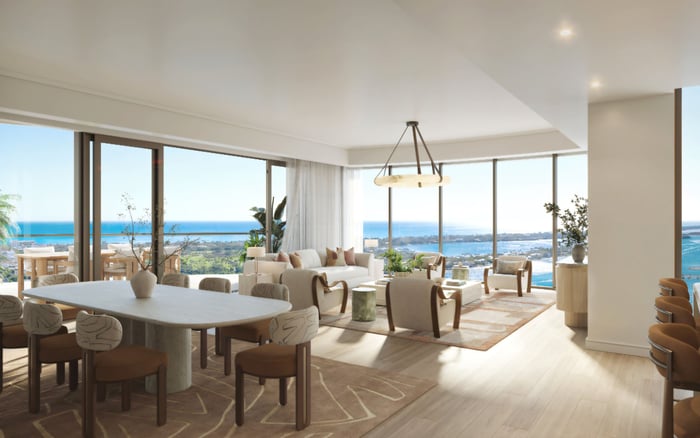
A Palm Beach acquisition should accommodate the family’s actual occupancy plan, not merely its preferred address. Review rental limits, nonpaying guest arrangements, staff accommodation, and access authority before committing to a residence.

A Palm Beach residence can serve several purposes within a family portfolio: a seasonal home, a gathering place for adult children, or a property maintained by staff while its owners travel. These uses may feel interchangeable socially. They are not interchangeable in acquisition diligence.
For a family office, the essential question is whether the property can lawfully support the intended pattern of occupancy and access. Before evaluating finishes or entertaining spaces, prepare a written use brief identifying who will stay, whether anyone will pay, how long visits may last, and whether staff will remain overnight. Distinguish owner use, guest use, leasing, and service access rather than grouping them under a broad description of family occupancy.
This brief should guide counsel’s review and questions submitted to the relevant public authority and any association. A beautiful residence becomes a durable family asset when its operating arrangements receive the same care as its architecture.
Within the Town of Palm Beach, single-family homes may not be rented more than three times per calendar year. Residential use generally involves permanent or semipermanent occupancy by an individual or family for not less than three months. Transient occupancy, including hotel, motel, and timeshare uses, is excluded.
The residential-use definition also recognizes occupancy lasting less than three months no more than three times per calendar year. This language is not blanket permission for short-term rentals: short-term rentals are strictly prohibited in the Town, while long-term rentals are allowed.
A prudent purchase plan therefore requires written, parcel-specific guidance reconciling these provisions before closing. Do not underwrite a series of brief paid stays merely because the calendar contains fewer than four bookings. Ask counsel to test the proposed lease duration, frequency, and use against the applicable requirements, then retain the written conclusions in the property file.
Business Tax Receipt obligations warrant a separate review. Renting only one property generally does not require a receipt for that activity; owning more than one rental unit in the Town does require one. Confirm how the contemplated holdings fit those thresholds without confusing registration with permission to conduct a particular rental use.
The Town’s rental framework should not be applied automatically across Palm Beach County or to West Palm Beach. Confirm the actual jurisdiction of every shortlisted parcel before comparing its suitability for the family’s plan.
A buyer also considering Alba West Palm Beach should commission a separate review of the applicable public rules and private documents. The meaningful comparison is not whether two addresses share a regional identity, but whether each can accommodate the same proposed use.
Similarly, when evaluating Forté on Flagler West Palm Beach alongside a Town residence, use the same occupancy brief for both. This supports a disciplined comparison without assuming their lease, guest, or staff policies are equivalent.
Bona fide nonpaying guests are expressly included within the Town’s definition of residential use. That distinction matters for extended family visits, but it neither establishes a universal maximum guest stay nor resolves every arrangement involving relatives, friends, or household staff.
Describe the intended visits precisely. Identify whether the owners will be present, whether guests will have independent use of the residence, the anticipated duration, and whether any payment is involved. Ask counsel and any association to evaluate the actual arrangement rather than relying on the informal label of guest.
Private restrictions require a separate review. Request current association documents and written interpretations addressing leases, extended guests, caregivers, domestic staff, and access procedures. A public-use determination does not replace a review of the property’s private restrictions.
For a family comparing Mr. C Residences West Palm Beach with other residences, these questions should remain central. Do not infer permission for extended stays or independent staff access from a project’s name, presentation, or residential positioning.
A house manager’s authority to enter a residence is distinct from permission to live there. Likewise, a detached guesthouse should not be assumed to permit overnight staff accommodation simply because it has sleeping space.
Before purchase, request confirmation of the legal configuration and permitted use of any proposed staff quarters. Have counsel distinguish employment or service access from arrangements that may constitute tenancy. Where overnight accommodation is essential, make its acceptability an explicit diligence question rather than a post-closing adjustment.
Caregiving requires a further distinction. Palm Beach County maintains a Home Caregivers program, and applicants for a Home Caregiver ID Badge must undergo state and national fingerprint background checks. A general house manager should not automatically be classified as a regulated caregiver. Review the person’s actual duties and confirm which requirements apply, particularly when household services overlap with personal care.
When the property is leased, landlord access to the dwelling unit is governed by statutory conditions. Ownership, or appointment as the owner’s house manager, does not confer unrestricted entry rights.
Reasonable-time access is also required for owners, operators, agents, or employees to perform inspections, maintenance, repairs, or alterations necessary for housing-code compliance. Confirm the code’s applicability to the property rather than treating this provision as a universal access entitlement.
As a recommended operating control, establish a written house-access protocol. Specify who may authorize entry, which credentials each worker receives, how visitors are approved, and how emergency entry is handled. Include confidentiality expectations and a clear procedure for revoking access when an engagement ends. These are management recommendations, not established legal requirements, and they must remain consistent with applicable law and occupancy agreements.
Waterfront setting, privacy, and architectural quality can shape the shortlist. The closing decision should also rest on documented answers about the intended use.
Assemble a concise file containing jurisdiction confirmation, written rental guidance, current private restrictions, guest-use interpretations, staff-accommodation findings, and the proposed access protocol. Maintain an occupancy calendar as a recommended control so the family office can review planned visits and leases together rather than in separate operational silos.
Where rental income, extended-family use, or overnight staffing is fundamental to the purchase, ask counsel how to address unresolved questions within the transaction. The objective is not theoretical flexibility. It is a residence whose confirmed permissions support the household the family actually intends to run.
Explore South Florida residences with a more considered purchase brief at MILLION.
If branded residences are on your mind — as a home or as an allocation — we would be glad to share what we are seeing, privately.
Begin a quiet conversationA single-family home may not be rented more than three times per calendar year. That frequency limit does not authorize short-term rentals.
Short-term rentals are strictly prohibited, while long-term rentals are allowed. Obtain written, parcel-specific guidance before relying on any proposed rental arrangement.
The residential-use definition recognizes certain occupancy lasting less than three months, but that language is not blanket short-term rental permission. The proposed use should be reconciled with the prohibition before closing.
Bona fide nonpaying guests are included within the Town’s definition of residential use. This does not establish a universal maximum guest stay or resolve private restrictions.
No; confirm the parcel’s jurisdiction and review its applicable public requirements and private restrictions separately.
Renting only one property generally does not require a receipt for that activity. Owning more than one rental unit in the Town requires one.
Do not assume permission from the presence of sleeping space. Confirm the guesthouse’s legal configuration, permitted use, and the status of the proposed staff arrangement.
Do not equate a general house manager with a regulated home caregiver without reviewing actual duties. Applicants for the County’s Home Caregiver ID Badge must undergo state and national fingerprint background checks.
A manager’s appointment does not create unrestricted entry rights. Landlord access to a leased dwelling unit is governed by statutory conditions.
They are recommended operating controls, not established legal requirements here. Use them to coordinate stays, credentials, authorized visitors, emergency procedures, and access revocation.