A practical due-diligence guide to the filtration schedules, replacement-filter arrangements, maintenance obligations, and post-construction testing evidence buyers should request at Rivage Bal Harbour.
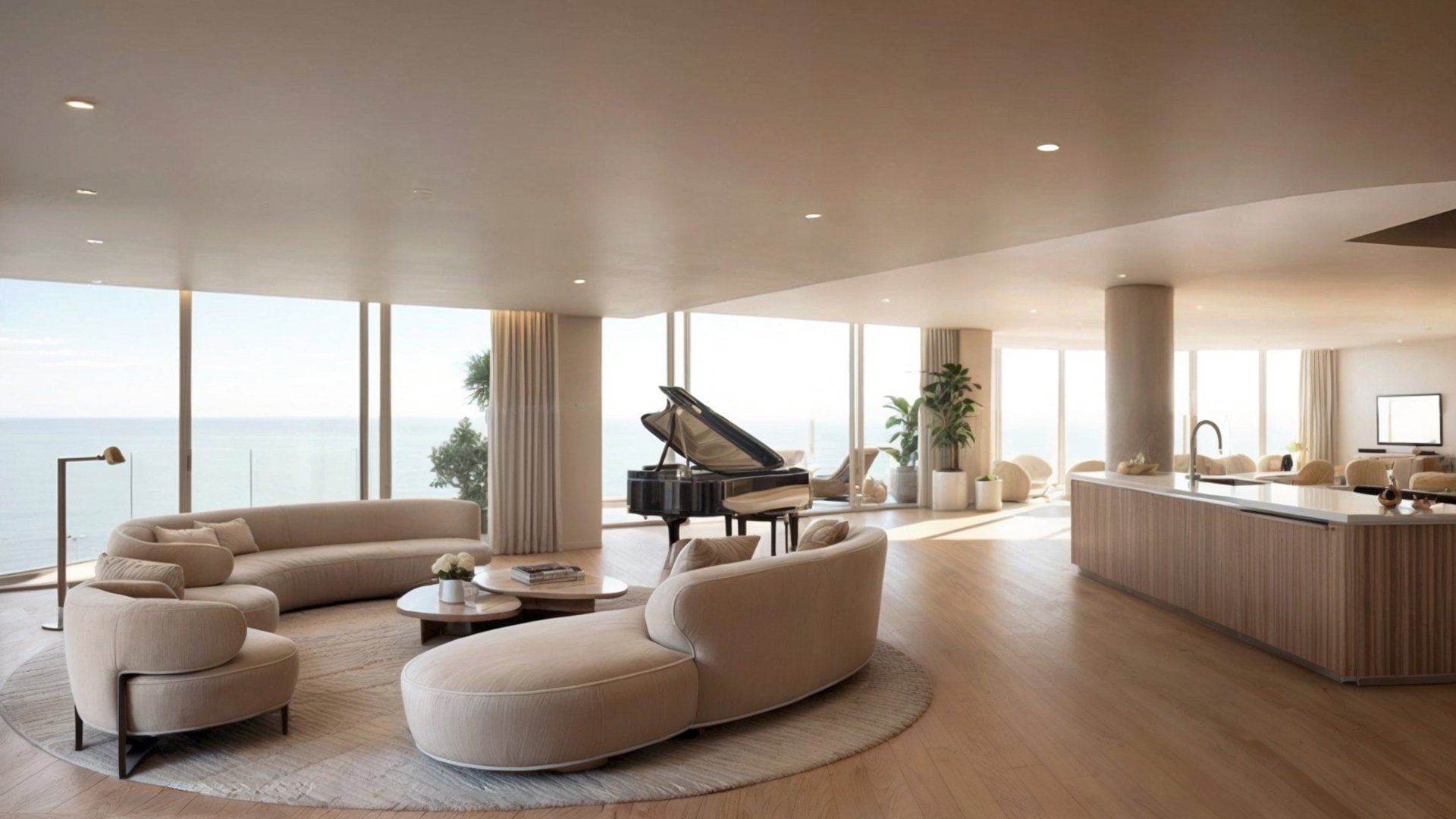
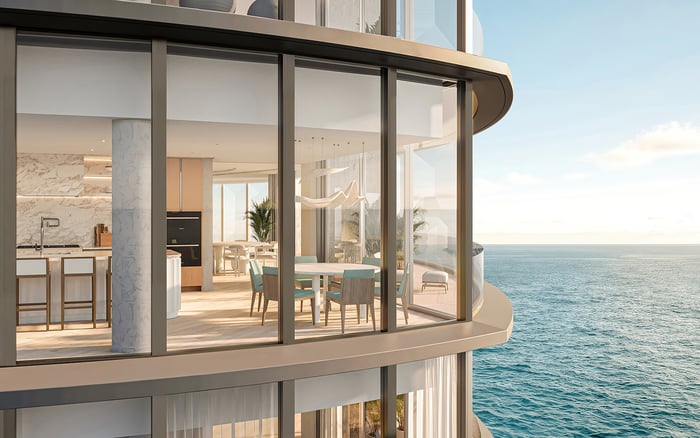
At Rivage Bal Harbour, the oceanfront setting and design pedigree make a compelling residential proposition. The condominium project at 10245 Collins Avenue brings together developers Related Group and Two Roads Development, architecture by Skidmore, Owings & Merrill, and interiors by Rottet Studio. For a buyer evaluating indoor comfort, however, the decisive details lie in mechanical schedules and operating documents.
Project-specific filtration ratings, replacement-filter arrangements, and a formal post-construction indoor-air-quality testing commitment remain unverified in the information available here. That does not establish their absence. It identifies the questions a purchaser should resolve before treating air performance as part of the purchase proposition.
The advertised wellness program includes a panoramic fitness pavilion, hammam, hot and cold plunge pools, and private treatment rooms. Its more than 25,000 square feet of offerings span indoor and outdoor spaces, not solely enclosed, mechanically ventilated rooms. These amenities do not establish enhanced purification, WELL certification, low-VOC specifications, or measured indoor-air-quality performance.
Start with the current mechanical, electrical, and plumbing basis-of-design summary. Request a version that identifies the tower systems, residence equipment, outside-air delivery, and dedicated amenity ventilation. The goal is to understand which equipment serves the home you intend to buy-not to accept a building-wide description that leaves individual spaces undefined.
Request separate filtration schedules for residences and common areas. Each should identify equipment models, filter dimensions, media, minimum MERV ratings, and engineer-approved upgrade limits. Have the project team connect those schedules to the relevant residence plan and shared spaces.
A useful evidence package should answer three questions clearly:
What filtration is specified for each system serving the residence?
What separate specifications apply to enclosed amenities and common areas?
Which alternative filters or upgrades have written engineering approval?
Do not substitute a preferred rating for a compatibility assessment. Ask the responsible engineer to confirm what the specified equipment can accommodate. Obtain the document revision date and ask how subsequent design changes will be communicated before closing.
Filtration is only one part of the mechanical brief. Seek design airflow rates, the applicable ventilation standards, fresh-air routing, and written identification of kitchen and bathroom exhaust discharge locations. Request drawings or schedules that clarify those relationships within the selected residence.
Humidity warrants a separate set of questions: dehumidification capacity, target relative humidity, pressurization strategy, condensate management, and mold-prevention provisions. These are requests for project documentation, not confirmed Rivage features or suggested numerical targets.
For a purchaser also considering Oceana Bal Harbour, use the same document checklist rather than assuming a shared neighborhood means comparable air systems. A meaningful comparison should distinguish specified equipment, operating responsibilities, and available verification. Neither an ocean view nor an amenity description answers those questions.
A filtration specification should come with a practical replacement plan. Request exact filter model numbers, approved equivalents, recommended suppliers, regional availability, and any proprietary sourcing restrictions. Ask whether the proposed replacement arrangements cover both residence systems and association-maintained equipment.
The written response should distinguish a supplier recommendation from a supply commitment. If a particular filter must be purchased through a designated channel, ask who maintains that relationship and which alternatives are approved if the original product becomes unavailable.
Have the team identify filter dimensions and media in the replacement schedule, not simply an equipment brand. Ask for current pricing and any stated availability assumptions, keeping those estimates separate from binding service obligations. Do not presume replacement costs, delivery periods, or supply guarantees for Rivage without documentation.
Confirm whether owners, the association, or a designated service provider replace each filter. The answer should include the required schedule, access arrangements, anticipated annual costs, and whether service is included in association dues or charged separately.
For an owner who will not be continuously in residence, ask how service access and completion records would be handled during absences. If maintenance requires entry into the home, request the applicable procedures rather than assuming a concierge arrangement includes mechanical servicing.
Obtain the HVAC and filtration sections of both the owner's manual and the building operations manual before closing. Reconcile their instructions with the promised service arrangement. A useful maintenance schedule links each task to a responsible party, an interval, and a record of completion.
Ask whether post-construction indoor-air-quality testing is committed, proposed, or not yet determined. If testing is offered, seek a written scope identifying the residences and amenities included, the pollutants and conditions to be measured, testing methods, timing, and recipients of the results.
The scope should state whether your residence will be tested or testing will cover selected spaces only. Ask how the timing relates to completion of interior work and when results will become available to you. Have an adviser review whether the proposed scope addresses your purchase priorities.
Keep HVAC commissioning as a separate request. Ask who will verify airflow, filter installation, pressurization, and exhaust performance, and whether the association receives the resulting records. A general statement that equipment will be commissioned is not a substitute for a defined indoor-air-quality testing commitment.
Also request documentation for any low-VOC or air-treatment claims. Clarify whether enclosed amenities will have indoor-air-quality sensors and whether owners may install compatible monitors within their residences. None of these features should be inferred from wellness branding.
For buyers whose shortlist also includes The Well Bay Harbor Islands, the same principle applies: evaluate written commitments rather than drawing conclusions from a project's name or positioning. This is an evidence standard, not a claim that the projects share equipment, certifications, or testing programs.
Ask counsel to review whether material filtration specifications, maintenance services, and testing deliverables appear in binding documents. Where an answer remains pending, seek a named responsible party and a written delivery milestone for the relevant information.
Tower and residence counts also differ. Obtain current developer-issued plans and condominium documents so that mechanical questions refer to the correct residence and project configuration.
The closing file should connect four things: what is specified, how replacements are sourced, who maintains the system, and how performance will be checked. For a discerning Rivage buyer, that continuity is more useful than a broad promise of wellness. It turns an appealing residential vision into commitments that can be reviewed before ownership begins.
For a discreet perspective on South Florida residential opportunities, explore MILLION.
If branded residences are on your mind — as a home or as an allocation — we would be glad to share what we are seeing, privately.
Begin a quiet conversationProject-specific filtration ratings remain unverified in the available information. Request current schedules identifying minimum MERV ratings, filter media, dimensions, and equipment models.
No. An unverified specification means buyers should obtain written project documentation before relying on it.
No. The advertised fitness and spa facilities do not establish enhanced purification, WELL certification, low-VOC specifications, or measured air performance.
Request the current MEP basis-of-design summary and separate filtration schedules for residences and common areas. Ask the team to identify which systems serve the selected home.
It should identify exact models, approved equivalents, suppliers, regional availability, and any proprietary sourcing restrictions. Ask separately whether supply is recommended or contractually committed.
That responsibility should be confirmed in writing rather than assumed. Request the service schedule, access procedures, annual cost estimates, and treatment within association dues.
Ask for dehumidification capacity, target relative humidity, pressurization strategy, condensate management, and mold-prevention provisions. These are documentation requests, not confirmed Rivage features.
A formal testing commitment remains unverified. Seek a written scope specifying covered spaces, pollutants and conditions measured, methods, timing, and recipients of results.
Yes. Request commissioning records addressing airflow, filter installation, pressurization, and exhaust performance, alongside a distinct indoor-air-quality testing scope.
Have counsel review whether specifications, maintenance obligations, and testing deliverables appear in binding documents. Obtain relevant owner and operations manual sections before closing.