A collector-focused due-diligence checklist for Mr. C Residences Boca Raton, separating the appeal of natural light from the measurable conditions needed to display and protect art.
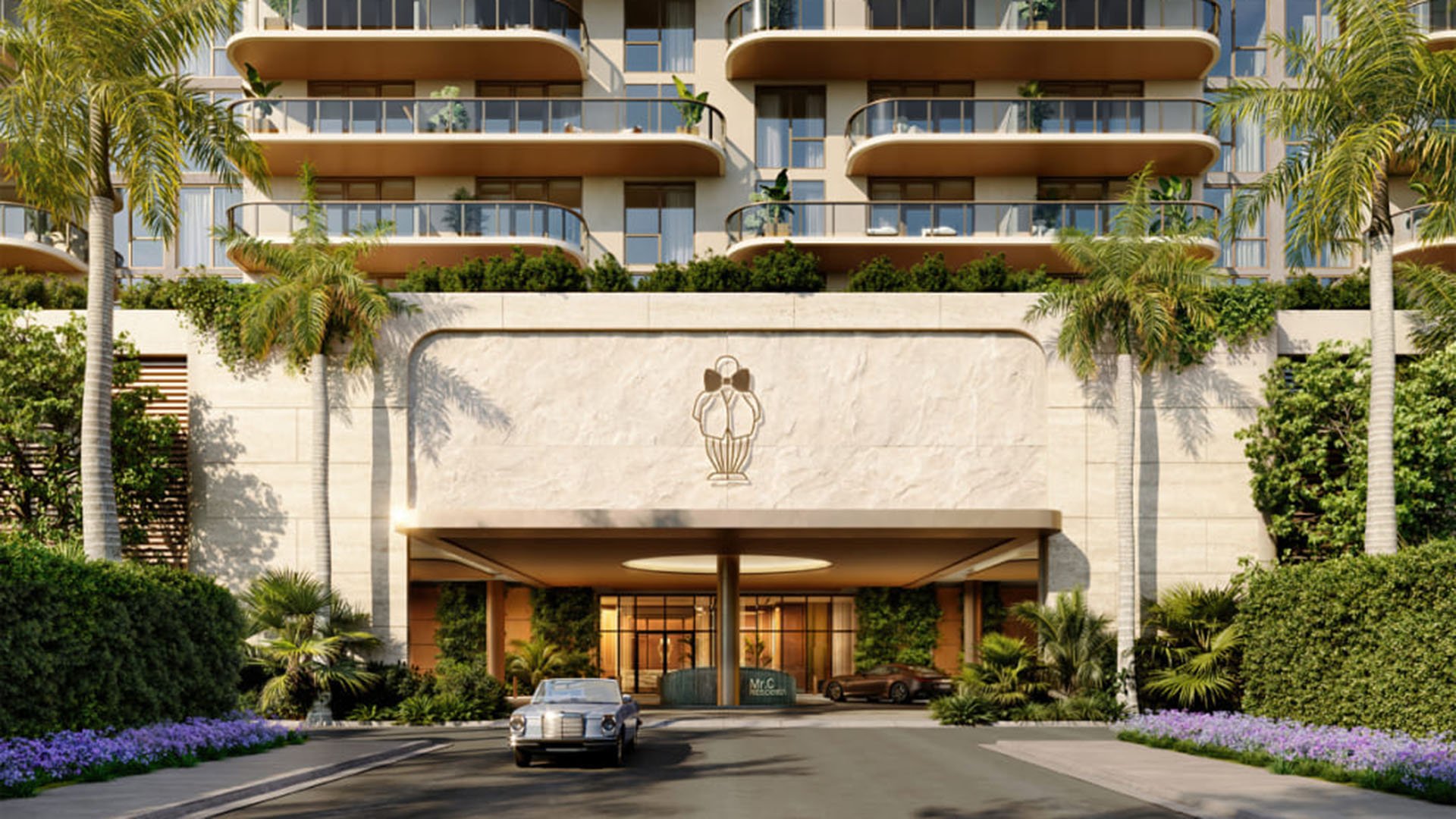
For an art collector, the most compelling room is not necessarily the brightest. It is one where daylight, visual comfort, and conservation coexist without constant compromise. At Mr. C Residences Boca Raton, floor-to-ceiling windows and expansive balconies with glass railings make that distinction particularly relevant.
The project is described as 12 stories with 133 private residences. Those building-wide facts do not establish conditions at a particular wall. A buyer's assessment should begin with the selected floor, orientation, proposed furniture arrangement, and intended artwork positions. Naturally lit interiors are an architectural attraction-not evidence of measured illuminance, controlled ultraviolet exposure, or museum-grade conservation.
The question is not whether a residence feels suitable for art, but whether its documented conditions and permitted modifications can support the particular collection. A project-specific conservation certification has not been established.
Ask for technical submittals identifying the glazing specified for the selected residence. Quantitative values for visible-light transmission, solar heat gain, U-factor, and UV transmission have not been established. These are distinct performance measures, not interchangeable assurances of art protection.
The buyer's evidence file should include:
The specified glass assembly and its documented performance values.
Plans identifying window orientation and proposed artwork walls.
A requested sun-path assessment addressing those locations across seasons.
Written confirmation of whether any proposed glazing treatment is permissible.
Treat each item as a due-diligence request, not an included project provision. If a specification remains provisional, ask how the final selection will be confirmed.
For buyers also considering Glass House Boca Raton, the same document checklist provides a consistent basis for comparison without assuming equivalent glazing or conservation performance.
A balcony can be visually generous without protecting a particular artwork from daylight. Glass railings and outdoor space do not establish effective shading at the intended display plane. Request an assessment of how the balcony geometry relates to the actual wall; the balcony alone is not proof of protection.
Glare control deserves a separate review. Ask the lighting designer to evaluate the room from intended seating positions and artwork-viewing points, with proposed shades open and closed. Comfortable viewing and conservation are related goals, but a room that feels comfortable may still expose an object to excessive light.
Request shade specifications, coverage details, operating arrangements, and any relevant condominium approvals. Do not assume that shades, motorization, UV films, or dedicated controls are included. For proposed additions, establish permission and feasibility before making them central to the purchase decision.
An impression of brightness cannot substitute for readings at the artwork. Before closing, where access permits, arrange lux and UV measurements at proposed display positions with shading open and closed. Record the location, date, time, and shading configuration so the results can be interpreted meaningfully.
One appointment cannot establish year-round conditions. Ask the specialist what additional observations or sun-path analysis would be needed to assess seasonal exposure. Where the residence is unavailable for testing, distinguish design-stage projections from measurements still required after completion.
Collection-dependent lighting reference points include 50 lux for highly light-sensitive objects such as works on paper, textiles, and photographs, and 200 lux for sensitive objects such as oil, tempera, and acrylic paintings. Neither figure is a universal guarantee against damage.
Duration matters alongside intensity. A collection plan should address how long objects remain illuminated, not simply whether one reading falls below a chosen target. Have a conservator establish object-specific priorities before finalizing the hanging plan.
UV protection is important, but it does not make unlimited daylight harmless. Visible light also contributes to deterioration, so UV performance and illuminance must be evaluated independently.
UV reference points vary by sensitivity: 30 microwatts per lumen for highly sensitive objects and 75 microwatts per lumen for sensitive and insensitive objects. A separate preservation threshold calls for UV-filtering material when radiation exceeds 75 microwatts per lumen. These are collection-dependent reference points, not a residential certification.
Ask the conservator to identify the appropriate criterion for each object and the evidence needed to assess it. A statement that glass or film filters UV is no substitute for documented performance and measurements at the display position.
The resulting layout may reserve more shaded areas for vulnerable works, place sensitive objects farther from light sources, or exclude daylight from selected display zones. The collection should help shape the room, rather than be fitted to the brightest available wall.
Lighting is only part of the conservation brief. Obtain temperature and relative-humidity records for intended display rooms wherever available. A single comfortable reading cannot demonstrate long-term stability.
A typical collection-care reference range is 45-55% relative humidity, with emphasis on avoiding large short-term fluctuations. Most collections should not be kept below 35% or above 65% RH for significant periods. Appropriate conditions still depend on the materials and their environmental history.
Ask what the proposed HVAC system can demonstrably maintain, how performance will be monitored, and whether collection-specific modifications require approval. Do not treat dedicated humidity control as included without written documentation.
Buyers comparing Alina Residences Boca Raton can request the same room-level evidence. Compare documented capabilities, not an assumed conservation advantage at either address.
Before committing to a display plan, assemble a concise file covering glazing submittals, proposed artwork locations, lux and UV results, shade specifications, environmental records, and permissions for any modifications. Separate confirmed provisions from proposed solutions and outstanding tests.
Ask the design team and conservator to identify which walls are suitable now, which require intervention, and which should remain outside the plan for vulnerable works. Where access or construction timing prevents measurement, agree on the remaining verification steps rather than turning an expectation into a performance claim.
The objective is not to turn every living space into a gallery. It is to preserve the pleasure of a light-filled home while giving important works an environment supported by evidence. At Mr. C Residences Boca Raton, that distinction is the collector's most useful purchasing discipline.
For a discreet conversation about your Boca Raton residence search, connect with MILLION.
If branded residences are on your mind — as a home or as an allocation — we would be glad to share what we are seeing, privately.
Begin a quiet conversationThe available project information does not establish a project-specific conservation certification. Suitability should be assessed for the selected residence and collection.
Request technical submittals identifying the specified glass assembly and its visible-light transmission, solar heat gain, U-factor, and UV transmission. Confirm that the documentation applies to the selected residence.
No. They establish an architectural feature, not measured illuminance, UV exposure, or glare-control performance at an artwork.
The presence of balconies with glass railings does not establish effective shading at proposed artwork locations. Request a residence-specific assessment.
Collection-care reference points include 50 lux for highly light-sensitive objects, including works on paper, textiles, and photographs. A conservator should also assess exposure duration and individual sensitivity.
A collection-care reference point is 200 lux for sensitive objects such as oil, tempera, and acrylic paintings, but it is not a universal guarantee against damage. Individual materials and cumulative exposure still matter.
No. Visible light also contributes to deterioration, so illuminance and UV exposure must be evaluated separately.
Collection-dependent reference points include 30 microwatts per lumen for highly sensitive objects and 75 microwatts per lumen for sensitive and insensitive objects. These figures are reference points, not residential performance certifications.
A typical reference range is 45–55% relative humidity, with environmental stability emphasized. Appropriate conditions depend on the collection's materials and long-term monitoring.
Do not assume they are included without written project documentation. Request specifications, confirmation of provisions, and any approvals required for proposed additions.