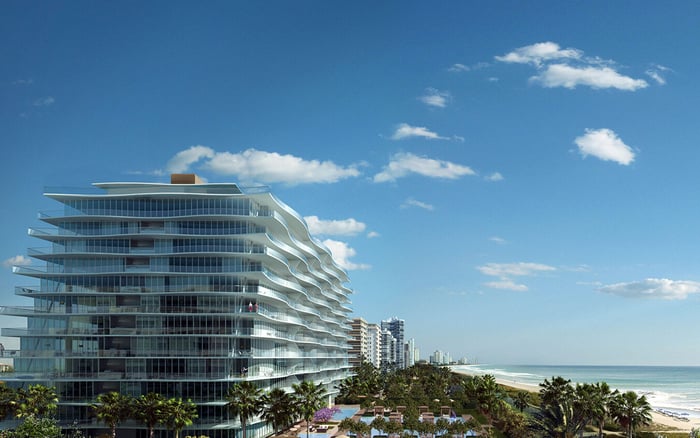
A Surfside condominium purchase calls for more than a review of monthly charges. Reconcile physical condition, reserve assumptions, municipal inspection records, and ownership responsibilities to understand the building’s capital plan and potential assessment exposure.

In Surfside, a residence’s appeal may be immediate. The financial obligations behind it require a slower reading. A buyer should understand not just what the association collects today, but how roof, façade, plumbing, electrical, and waterproofing obligations fit into a single capital schedule.
The central distinction is between condition evidence and funding evidence. Documented inspection activity does not establish that future replacements are adequately funded. Nor does a reserve balance establish that outstanding physical work is complete. Read those two records separately, then reconcile them before treating the purchase price as the full investment picture.
For a buyer considering Arte Surfside, the practical questions are the same as for any condominium under review: what work is anticipated, when is it expected, and what money is available to pay for it? The project reference is not a statement about its condition, reserves, or assessments.
A Structural Integrity Reserve Study, or SIRS, estimates the funding needed for future major repairs and replacement of covered condominium property. Florida’s framework generally covers residential condominium buildings three stories or higher, with a study required at least every 10 years after the condominium’s creation.
The study identifies estimated remaining useful life and replacement cost, connecting each physical component to a financial obligation. The visual inspection must be performed by a licensed engineer, licensed architect, or appropriately credentialed reserve-study professional.
A milestone inspection serves a different purpose: it evaluates structural condition. A SIRS addresses future repair and replacement funding. Neither substitutes for the other, and neither guarantees against future expense.
The framework includes roofs, plumbing, electrical systems, waterproofing, exterior painting, windows, and exterior doors, alongside structural systems, floors, foundations, fireproofing, and fire-protection systems. The five headline categories are therefore not the building’s entire capital picture. Confirm current legal requirements with qualified counsel rather than treating an earlier statutory framework as a complete statement of today’s deadlines or funding rules.
Request the latest SIRS, applicable structural-inspection records, current budget, reserve balances, contribution schedule, relevant meeting minutes, and documentation for planned or active work. Required SIRS and structural-inspection records belong in the association’s official records and are relevant to prospective-purchaser review.
Organize the information into a single working matrix. For each component, capture:
Documented condition and the date of the supporting inspection.
Estimated remaining useful life and replacement cost.
Relevant reserve funding and planned annual contributions.
The responsible party under the governing documents.
Open work, permit status, and evidence of completion.
Approved assessments and unresolved potential funding exposure.
Keep unknowns visible. A blank cost estimate is not an assumed zero; an unsigned proposal is not a committed project price. Where reserves are presented collectively, ask how the funding schedule supports each obligation without counting the same dollars twice.
Resale diligence should also distinguish association responsibilities from unit-owner responsibilities. Ask counsel to interpret the governing documents rather than inferring responsibility from a component’s location.
The roof belongs in the reserve review, but a replacement date alone is insufficient. Ask what the estimated cost covers, which work remains open, and whether the schedule aligns with the study’s remaining-useful-life assumption. If work is underway, distinguish the contract scope, inspection stages, and final completion evidence.
Treat the façade as more than a paint line. Waterproofing, exterior painting, windows, and exterior doors are included in the framework; a cosmetic refresh does not, by itself, resolve the envelope question. Ask the association and its technical advisers which obligations are addressed together and which remain separately funded.
When evaluating Fendi Château Residences Surfside, apply the same distinction between appearance and documentation. A finished exterior is no substitute for a defined scope, a supported replacement estimate, and a funding schedule. This general diligence approach implies no conclusion about that property’s envelope or reserves.
Plumbing and electrical systems are expressly included in the SIRS component framework. They deserve the same attention as the more visible roof and exterior, even when the residence itself presents beautifully.
For each system, ask which components the study covers, what condition evidence supports its assumptions, and whether subsequent work has changed the estimated cost or timing. Seek clarification where broad labels obscure the actual replacement scope. A buyer needs to know what an allowance funds, not merely that it exists.
The objective is not to diagnose the building personally. It is to have the association’s technical advisers explain the physical assumptions and its financial representatives explain how those assumptions enter the budget. Any mismatch should remain an open diligence item until documented.
Surfside’s municipal building documents and inspection-activity records provide another layer of evidence alongside association records. Their value depends on matching each entry to the correct property, permit, scope, and inspection stage.
The inspection activity for the weeks of April 7 and June 30, 2025 includes passed “Soundproofing and Waterproofing” work. The week of September 22, 2025 includes a passed “Roof In Progress” inspection. These entries illustrate the specificity available in municipal records, not the condition of any condominium discussed here.
A passed intermediate inspection does not prove final project approval or a completed roof replacement. Request the relevant completion documentation rather than allowing “passed” to carry more meaning than the entry supports.
For a purchaser reviewing The Surf Club Four Seasons Surfside, this remains a document-matching exercise-not an inference from a project name or presentation.
Place anticipated expenditures and planned contributions on the same timeline. Funding for required SIRS components must be based on the findings and recommendations of the association’s most recent study. Ask how the adopted budget reflects those findings and whether later project information has changed the working assumptions.
Then examine overlapping obligations. If several systems require attention within the same planning period, ask how the association intends to meet those costs. Distinguish approved assessments from proposed funding measures and from a buyer’s hypothetical exposure. Do not turn an unresolved question into a predicted bill.
Whether considering Ocean House Surfside or another residence, compare documented obligations rather than monthly charges alone. The useful outcome is a coherent capital plan: identified work, defensible timing, clearly assigned responsibility, and a funding explanation that matches the evidence.
For a discreet perspective on your next South Florida residence, explore MILLION.
If branded residences are on your mind — as a home or as an allocation — we would be glad to share what we are seeing, privately.
Begin a quiet conversationA SIRS estimates funding needed for future major repairs and replacement of covered condominium property. It identifies estimated remaining useful life and replacement cost.
The framework generally covers residential condominium buildings three stories or higher, with a study required at least every 10 years after creation. Buyers should confirm current applicability and legal requirements with qualified counsel.
No. A milestone inspection evaluates structural condition, while a SIRS addresses future repair and replacement funding.
The visual inspection must be performed by a licensed engineer, licensed architect, or appropriately credentialed reserve-study professional.
Envelope-related obligations extend beyond exterior painting to waterproofing, windows, and exterior doors. Reviewing their scopes together helps distinguish cosmetic work from other covered capital needs.
Yes, both are expressly included. Buyers should review their documented scope, estimated remaining useful life, replacement cost, and funding assumptions.
Request the latest SIRS, applicable structural-inspection records, budget, reserve balances, contribution schedule, relevant minutes, and documentation for planned or active work. Reconcile these documents rather than reading each in isolation.
No. An intermediate inspection result does not establish final approval or completion; buyers should request the relevant completion documentation.
Compare anticipated expenditures with reserve funding and planned contributions on one timeline. Keep approved assessments, proposed funding measures, and hypothetical shortfalls clearly separate.
No. The framework and municipal examples do not establish any named property’s condition, reserve adequacy, or assessment exposure; those conclusions require property-specific records.