A practical guide to evaluating private dining, catering access, residential event restrictions, and peak-season reservation planning when buying a luxury home in Palm Beach Gardens.
For Palm Beach Gardens buyers, the ability to host comfortably can influence how a residence functions, which amenities matter, and whether a gathering is best held at home or at a private dining venue. Holiday dinners, business gatherings, golf weekends, and family celebrations each create different requirements for space, service, privacy, and access.
The local entertaining landscape includes private rooms, semi-private areas, patios, resort settings, restaurant buyouts, and off-site catering. Capacity is only one consideration. Buyers should also examine noise controls, kitchen access, loading procedures, guest arrival, parking, service hours, alcohol rules, and cancellation terms.
The best entertaining plan aligns the guest list, venue format, and property rules before invitations are sent.
Start with the operational profile of the event. A seated dinner requires a different layout and service plan from a cocktail reception or an outdoor celebration. Establish the likely guest-count range, preferred degree of privacy, meal format, accessibility needs, and whether speeches, music, or audiovisual equipment will be involved.
When evaluating a restaurant or resort, ask for the floor plan that applies to the proposed setup. Confirm whether the quoted space is fully private or semi-private, whether adjacent areas remain open, and whether guest circulation passes through public dining areas. A room described as private may still share an entrance, bar, restrooms, or service route.
Menu selection should follow the practical review. Clarify whether the venue offers fixed menus, customized selections, beverage service, dietary accommodations, and a weather alternative for outdoor space. The written proposal should identify what is included and what requires a separate charge or outside vendor.
A private dining room can simplify staffing, service, and cleanup, but it does not automatically provide complete acoustic or visual separation. Buyers planning confidential business dinners should ask about doors, shared circulation, audiovisual capabilities, and the activity expected in neighboring spaces.
Hosting at home may offer greater control over the atmosphere, yet residential access can be more regulated. Condominium, HOA, club, golf, and marina rules are property-specific. Relevant provisions may address outside caterers, insurance documentation, loading, service elevators, guest parking, music, décor installation, waste removal, open flames, and event end times.
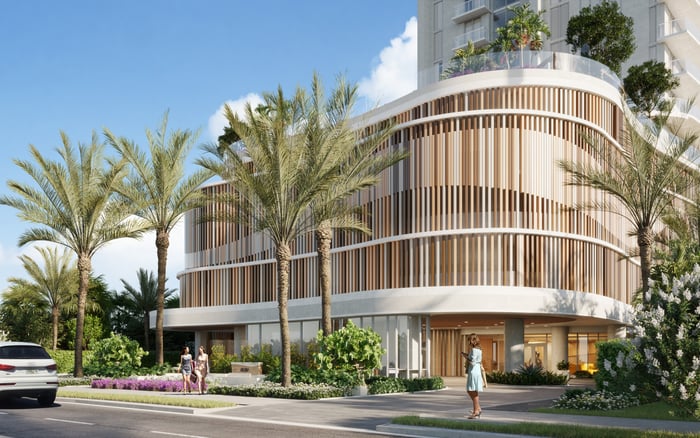
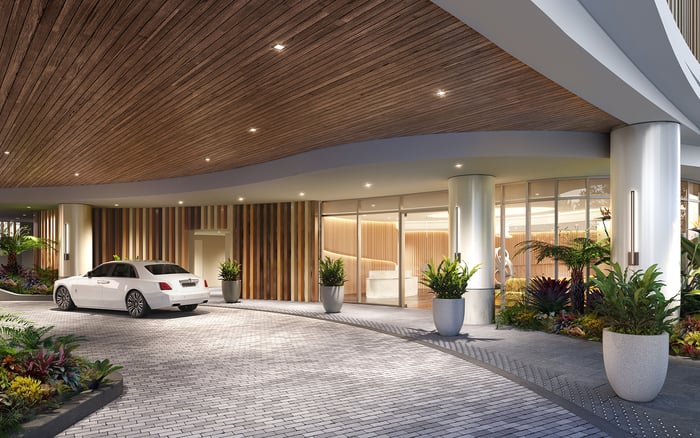
This review is particularly important when considering The Ritz-Carlton Residences® Palm Beach Gardens. Buyers should examine governing documents and current management procedures instead of assuming that a branded residential experience permits unrestricted private events.
The same discipline applies when comparing Palm Beach County alternatives such as Alba West Palm Beach and Forté on Flagler West Palm Beach. The most useful comparison is not simply the amenity list; it is how reservation procedures, vendor access, guest policies, and service circulation align with the buyer’s entertaining habits.
Off-site catering can support a personalized dinner, terrace gathering, holiday meal, or celebration. Before requesting a proposal, determine what the residence and property permit. The caterer should know whether food may be prepared on-site or only finished and served, whether the residential kitchen is available, and where staff can stage supplies away from guests.
Access planning deserves equal attention. Trace the route from the approved loading point to the residence, noting elevator reservations, delivery windows, security procedures, and any restrictions affecting carts or equipment. Identify where rentals, refuse, and service items may remain during the event and how they must be removed afterward.
A complete proposal should define staffing, setup, service, cleanup, rentals, equipment, power, refrigeration, and responsibility for damage or removal. Buyers should also ask whether vendor insurance or management approval is required and who coordinates access on the event date.
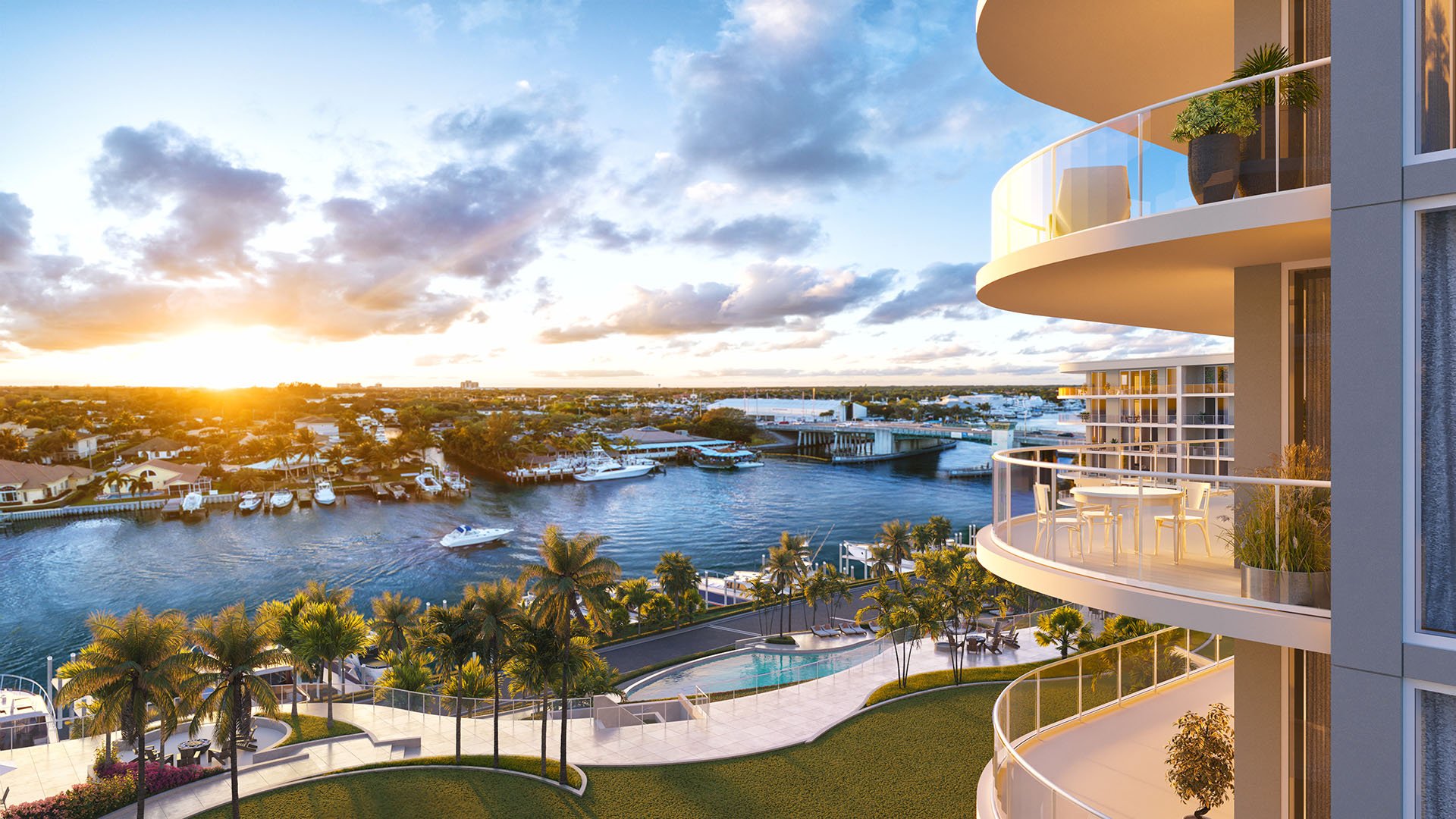
If the gathering involves a yacht, marina, club, or shared amenity, obtain the rules for that setting separately. Approval for a caterer to enter the residential building does not necessarily establish permission to operate in every common area associated with the property.
Private-event materials may not address every financial or operational condition relevant to a buyer’s plans. Request a written proposal covering the deposit, payment schedule, cancellation terms, menu deadline, final guest count, service period, overtime, vendor rules, and weather contingency.
For a restaurant event, confirm whether the agreement applies to a dedicated room, a section of the dining room, or a larger venue configuration. Ask what happens if attendance changes and whether the room setup or level of privacy would also change. For an event at home, confirm which party is responsible for property approvals and how access delays would be handled.
Do not rely on a standard online reservation tool for a private gathering or a larger party. Contact the venue directly and retain the written response with the proposal. A tentative hold should be distinguished from a confirmed reservation, with the expiration and confirmation requirements clearly identified.
There is no single reservation deadline that applies to every Palm Beach Gardens venue or residential amenity. A practical approach is to identify several acceptable dates, establish a realistic guest-count range, and request proposals before committing to invitations, entertainment, or transportation.
Ask when a tentative hold expires and what action converts it into a confirmed booking. Confirm the deadlines for deposits, menu choices, guest counts, vendor documents, and management approvals. If an outdoor area is important, identify the indoor alternative and determine whether moving the event would alter the layout, guest count, or commercial terms.
Buyers comparing Palm Beach Gardens with an urban residence such as Mr. C Residences West Palm Beach should conduct the same review for each property. Proximity to restaurants can be valuable, but reliable hosting also depends on the residence’s rules and the venue’s ability to confirm the requested arrangement.
Buyers who entertain regularly should request current governing documents, amenity policies, and written clarification from property management. Determine how common spaces are reserved, whether fees or deposits apply, how guest access is handled, and whether vendor approval, insurance, security, or valet arrangements are required.
Inside the residence, evaluate circulation rather than relying on square footage alone. Follow the likely path from arrival to the entertaining area, from loading to the kitchen, and from dining areas to a powder room. Consider where staff can stage discreetly and whether cleanup can proceed without interrupting guests.
The objective is not to find a residence with unlimited event access. It is to identify a home whose layout, management procedures, and surrounding dining options support the buyer’s preferred way of hosting with fewer surprises.
For discreet guidance on Palm Beach County residences that support your preferred style of entertaining, connect with MILLION.
If branded residences are on your mind — as a home or as an allocation — we would be glad to share what we are seeing, privately.
Begin a quiet conversationThere is no universal deadline for every venue. Identify preferred dates early and obtain written availability and terms before sending invitations.
Confirm the room layout, privacy level, shared circulation, service plan, accessibility, and any audiovisual requirements.
It may not provide enough acoustic or visual separation. Ask how the space connects to public areas and whether doors or dedicated access are available.
No assumption should be made because rules are property-specific. Review vendor approval, insurance, loading, kitchen use, and service-elevator procedures.
It should define staffing, setup, service, cleanup, rentals, equipment needs, access, and each party’s responsibilities.
Request written terms for deposits, payments, cancellation, menu choices, final guest counts, overtime, vendors, and weather alternatives.
Review guest circulation, service access, noise rules, weather alternatives, and any restrictions on furniture, décor, music, or open flames.
Ask about common-area reservations, guest policies, fees, deposits, vendor requirements, insurance, security, and service access.
Efficient routes between loading, the kitchen, guest areas, and staff staging can reduce disruption during setup, service, and cleanup.
A direct inquiry is more appropriate for private rooms, larger groups, or customized arrangements. Retain the venue’s written response and proposal.