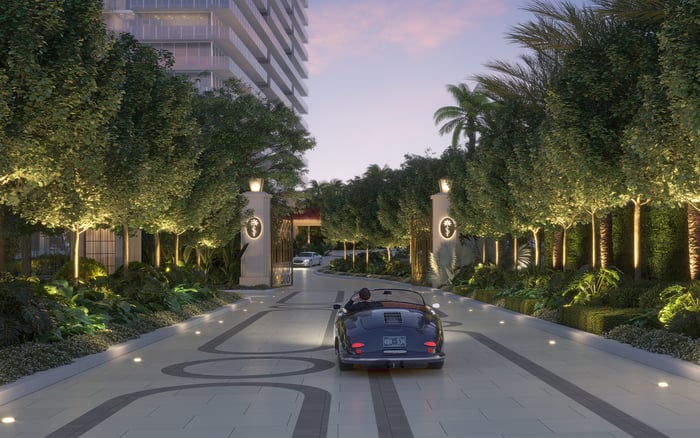
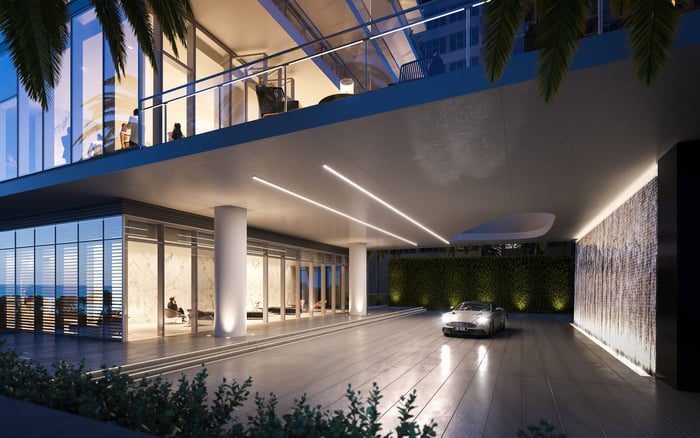
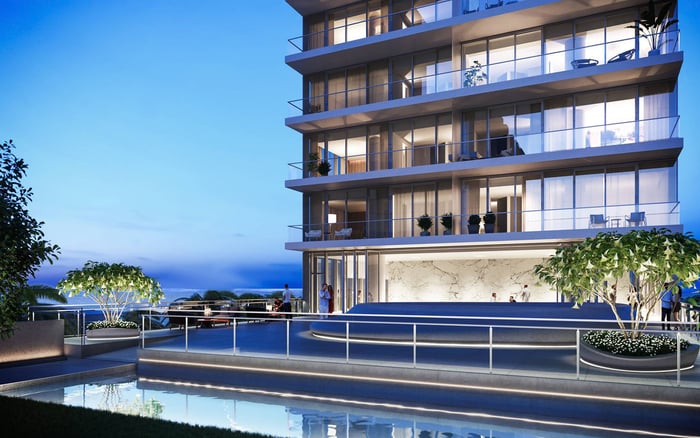
2000 Ocean offers a broad entertaining program, but its publicly available amenity descriptions do not specify guest capacities, reservation costs, operating hours, or vendor requirements. Frequent hosts should therefore evaluate both the spaces and the governing rules before purchasing.
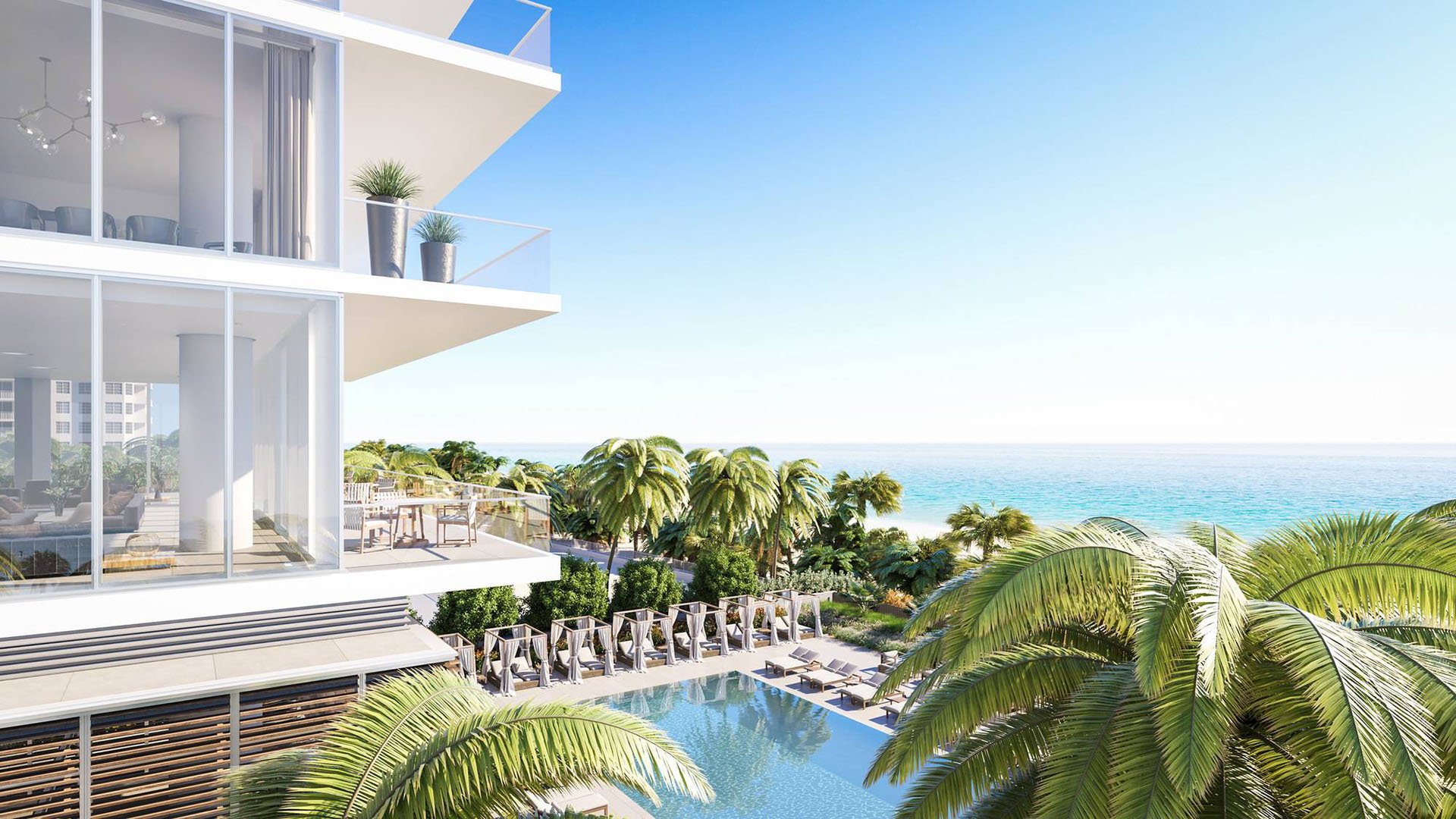
At 2000 Ocean Hallandale Beach, the social program extends well beyond a single residents’ lounge. The oceanfront property at 2000 S Ocean Drive pairs private residences with indoor and outdoor settings for dinners, screenings, poolside afternoons, beach gatherings, and quieter meetings. For owners who host regularly, that range is meaningful: different occasions can unfold throughout the property without requiring every guest to enter the residence.
Yet entertaining capacity is not defined by the number of rooms alone. Publicly available amenity descriptions provide no numerical capacities for the owner’s lounge, function rooms, party room, theater, pools, or beach areas. Nor do they specify reservation charges, guest-registration procedures, quiet hours, vendor-insurance requirements, or rules governing recurring and commercial events. Those details ultimately determine how usable the amenity collection will be in practice.
For frequent hosts, operating rules matter as much as beautiful rooms.
The ocean-view owner’s lounge includes a catering kitchen, making it a natural setting for hosted meals and receptions. Private-function rooms face the Atlantic, while another event room opens toward the sunset terrace and garden. A resident lounge, private dining room, clubhouse, community center, and party room provide further options beyond the residence.
The indoor theater and entertainment room may suit private screenings, movie nights, or sports viewing. A library and garden-view lounge are better suited to restrained occasions such as book clubs, small meetings, or informal conversation. Families may also consider the children’s playroom when planning multigenerational visits.
For wellness-centered hosting, the spa pavilion includes treatment rooms, a Hammam, ice room, and yoga room. These facilities broaden the concept of entertaining, but owners should not assume that a shared wellness area can be privately reserved or used for a structured group session without advance approval.
Two pools anchor the outdoor social experience: an elevated, Atlantic-facing pool and a west-facing Sunset Lounge pool with cabanas and private outdoor dining. Private beach access, dedicated beach service, landscaped areas, community barbecue facilities, and picnic areas offer alternatives for less formal daytime occasions. An oceanside café and juice bar complements the catering and private-dining spaces elsewhere on the property.
For an oceanfront-lifestyle buyer, these settings can be especially appealing, allowing a gathering to follow the day from the Atlantic side to the western sunset. Even so, a pool deck, beach area, cabana, or garden may remain shared during an owner’s gathering. Buyers should confirm whether any portion can be reserved, whether outside food or beverages are permitted, and how many nonresident guests may use the beach and pool services.
The same diligence applies when comparing nearby options such as Shell Bay by Auberge Hallandale, or coastal alternatives including Auberge Beach Residences & Spa Fort Lauderdale and Bentley Residences Sunny Isles. Amenity names provide useful orientation, but current rules determine whether a property suits a host’s actual calendar.
Residences feature oceanfront and garden-facing terraces, providing east-west outdoor space for entertaining at home. Ten-foot ceilings, floor-to-ceiling glass, private elevator foyers, and open indoor-outdoor layouts further support dinners and cocktail gatherings. A terrace can therefore be an appealing alternative when a common room is unavailable or the host prefers a more private atmosphere.
In-residence entertaining is not automatically unrestricted, however. Owners should review rules governing noise, terrace use, deliveries, contractor and vendor access, and guest movement through common areas. The private elevator foyer can lend a composed quality to arrivals, but building procedures still govern how visitors are registered and admitted.
Valet parking, concierge service, 24-hour security, and lobby attendants can help manage arrivals and departures. For frequent hosts, this operational layer is as consequential as the room itself. Even a modest gathering may produce concentrated vehicle arrivals, catering deliveries, and multiple guest check-ins.
Before committing to a residence, ask management how guest lists are submitted, whether advance notice is required, and whether the valet can accommodate event-related demand. Confirm where caterers, musicians, planners, and other vendors enter; what insurance they must carry; and whether setup and breakdown must occur within reserved hours. These are not minor administrative details. They shape pacing, privacy, and the polished arrival experience expected of luxury ownership in Hallandale Beach.
Review the current declaration, bylaws, and house rules together. An amenity reservation policy may address maximum guest counts, booking windows, deposits, cleaning costs, permitted hours, alcohol service, décor, music, and approved vendors. It may also distinguish among a private social gathering, a recurring function, and an event with promotional or commercial intent.
Owners who entertain often should request written answers for several practical scenarios. Can the private dining room accommodate the intended seated dinner? May an outside chef use the catering kitchen? Does a theater booking include exclusive access? Can cabanas or outdoor dining areas be reserved for guests? Must the pools and beach facilities remain available to all residents? How frequently may one residence reserve the same room?
Current ownership costs also warrant verification. A historical fee does not establish today’s assessment, and regular event use may entail separate reservation, staffing, security, or cleaning charges. The relevant calculation is not simply the monthly carrying cost, but the annual cost and availability associated with the host’s likely event pattern.
2000 Ocean offers a notably varied framework for entertaining, spanning formal dining, Atlantic-facing functions, screenings, family visits, wellness activities, and casual outdoor gatherings. Its potential is clear, but actual capacity depends on rules that are not numerically disclosed in public amenity descriptions.
For the frequent host, the decisive question is whether the building can accommodate specific occasions at the desired frequency, scale, and level of privacy. Treat each planned use as a test case, obtain the current documents, and secure written clarification from management before purchasing. This approach turns lifestyle appeal into informed ownership planning.
For discreet guidance on South Florida luxury residences, consult MILLION.
If branded residences are on your mind — as a home or as an allocation — we would be glad to share what we are seeing, privately.
Begin a quiet conversationNo numerical capacities are publicly disclosed for the owner’s lounge, function rooms, party room, theater, pools, or beach areas.
Options include an owner’s lounge with catering kitchen, private-function rooms, a private dining room, resident lounges, a party room, and a theater.
Public amenity descriptions do not specify whether pools, beach areas, cabanas, or gardens can be reserved exclusively. Buyers should confirm this with management.
Public materials do not state reservation fees, deposits, cleaning charges, or other event-related costs.
Yes. Residences have oceanfront and garden-facing terraces, ten-foot ceilings, floor-to-ceiling glass, and open indoor-outdoor layouts.
Valet parking, concierge service, 24-hour security, and lobby attendants can support guest arrivals and departures.
Public materials do not specify vendor rules or insurance requirements. Owners should obtain written confirmation before engaging outside professionals.
Yes. A children’s playroom supports family and multigenerational visits, while barbecue and picnic areas offer casual alternatives.
Review the current declaration, bylaws, house rules, amenity reservation policies, and any schedules of event-related charges.
They may be subject to separate restrictions, but public materials do not define those rules. Management should clarify the treatment of recurring, promotional, and commercial functions.