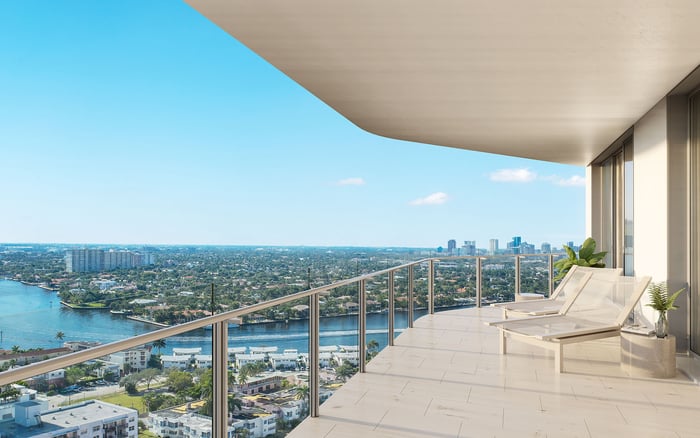
In Fort Lauderdale, a waterfront condominium should be evaluated from the yacht’s route inward. Bridge geometry, operating conditions, crew access, and provisioning logistics can matter as much as the residence itself.
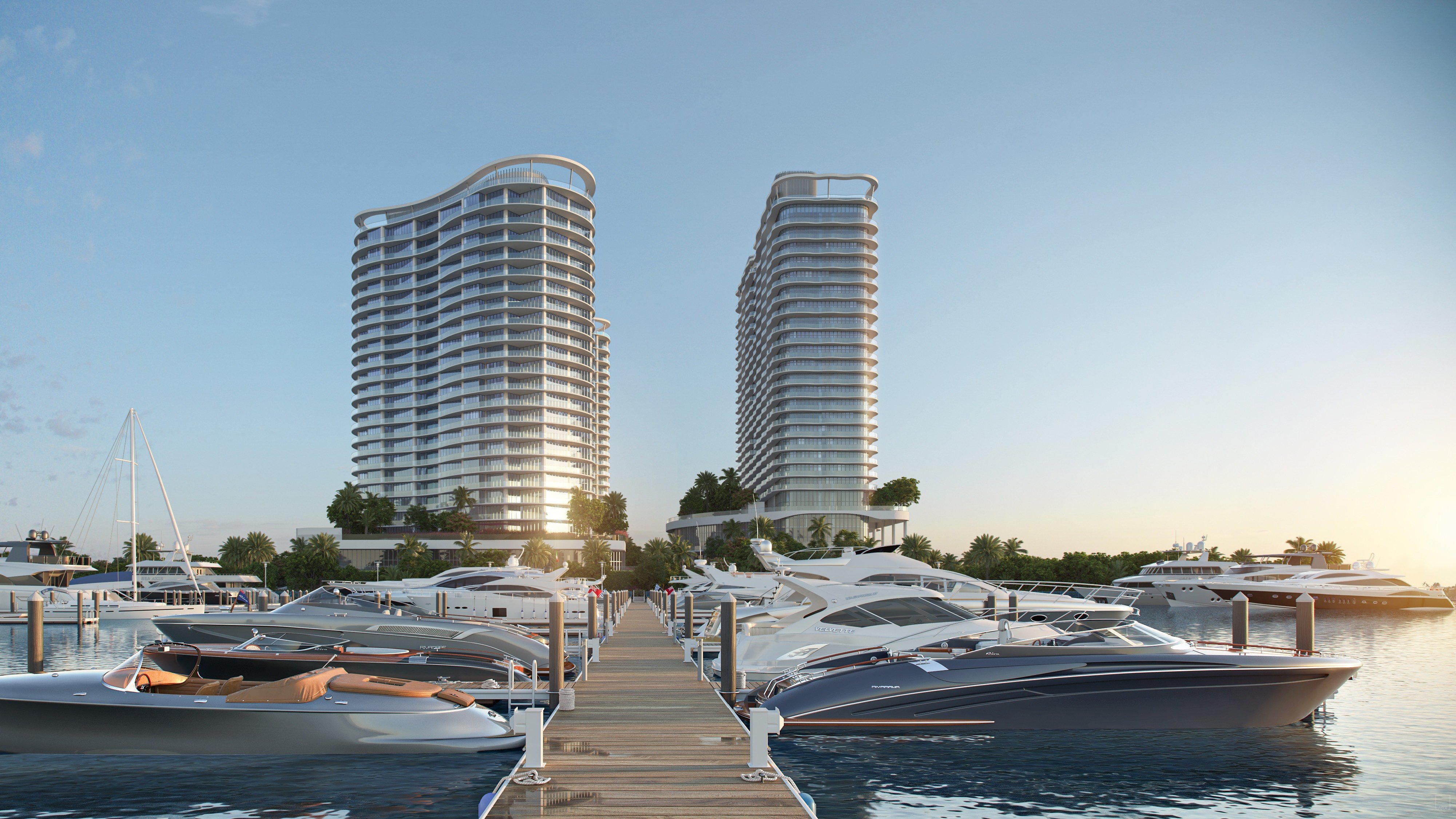
In Fort Lauderdale, the most consequential part of a condominium tour may occur before anyone enters the lobby. For a yacht owner, the practical address includes every bridge, channel, slow-speed segment, loading route, and security checkpoint between the residence and open water.
The phrase “ocean access” is only a starting point. A rigorous assessment begins with the yacht’s exact length, beam, draft, and air draft, then tests those dimensions against the intended route. The same discipline applies when considering a waterfront residence near Las Olas, an upriver condominium, or a home along the city’s canal network.
Boat-slip due diligence should precede aesthetic judgment. A beautifully finished residence cannot compensate for a berth or route the owner’s yacht cannot use safely and predictably.
For a yacht owner, the true address includes the entire route to open water.
Clearance should be evaluated bridge by bridge under the conditions relevant to the vessel. Fixed spans, movable bridges, channel width, tide, and the yacht’s equipment can each affect whether a route is practical.
Beam matters alongside air draft. Captains should evaluate the usable navigation opening rather than relying on a broad description of waterfront access. Any antennas, towers, tenders, or other equipment affecting the vessel’s operating profile should be included in the review.
Current bridge information and navigation notices should be confirmed before a purchase decision. Conditions and operating procedures can change, so assumptions based on a prior transit should not replace a vessel-specific route assessment.
Movable bridges and marine traffic can make a short route less predictable than it appears on a map. An owner, captain, or guest expecting a precise departure should consider how potential waits affect airport transfers, guest pickups, maintenance appointments, and access to open water.
Slow-speed segments can also add meaningful transit time for yachts, tenders, crew shuttles, and guest transfers. The relevant luxury is not simply proximity to water, but predictable movement between the residence, working berth, and ocean.
A condominium may be an exceptional residence without being the right primary base for a large yacht. Buyers exploring Sixth & Rio Fort Lauderdale should map the intended working berth independently and test every transfer between home, vessel, airport, and service yard.
The same principle applies to choices such as Four Seasons Hotel & Private Residences Fort Lauderdale and The Ritz-Carlton Residences® Fort Lauderdale. A buyer should not infer berth capability from a building’s setting, atmosphere, or proximity to the beach. Residence selection and yacht infrastructure are related decisions, but they are not interchangeable.
A condominium slip may serve a tender or smaller boat even when the primary yacht requires a different working berth. Buyers should verify the slip’s dimensions, utilities, access rules, and operating limitations directly rather than inferring suitability from marketing language.
Crew logistics should be measured from where the yacht actually operates, not merely from the condominium. Airport travel, parking, after-hours entry, contractor access, and supplier deliveries all shape daily efficiency. A prestigious residential address can create friction if vendors face difficult loading routes or repeated access procedures.
For owners considering St. Regis® Residences Bahia Mar Fort Lauderdale, the appropriate inquiry remains operational: where will the yacht berth, how will the crew reach it, and what route will provisions follow from vehicle to passerelle? The answers should be documented before residential preferences harden into a purchase decision.
A useful site visit follows the crew’s actual path. Buyers and captains can examine parking, entry points, loading areas, cart routes, waste handling, and the movement of contractors carrying tools or replacement parts.
Provisioning is not simply a question of nearby shops. Due diligence should encompass vehicle and loading access, delivery procedures, cart routes, fuel, pump-out, waste handling, and whether vendors must pass through residential security. Refrigerated goods, flowers, beverages, technical parts, and guest luggage each follow a physical path that should be walked during the evaluation.
Shore power must match the vessel’s requirements, and the slip’s usable beam should be confirmed rather than inferred. Buyers should also examine tide conditions, channel depth, turning room, bridge procedures, and the practical location of service facilities. The captain should confirm current navigation information and operating requirements.
For a large-yacht owner, the most practical solution may be separation rather than compromise. A professionally serviced primary berth can support the yacht’s operational needs while a condominium slip accommodates a tender or day boat.
This arrangement allows the residence to be selected for privacy, design, service, and lifestyle without forcing the primary yacht into unsuitable infrastructure. It may also broaden the residential search while preserving local movement by tender.
Bridge clearance and route usability can influence how well a waterfront property serves a boating owner. Before touring, ask the captain to prepare a route sheet covering vessel dimensions, bridge constraints, anticipated delays, channel conditions, utilities, and landside access. In Fort Lauderdale, navigability is not merely an amenity; it is part of the ownership decision.
For discreet guidance on aligning a Fort Lauderdale residence with the realities of yacht ownership, connect with MILLION.
If branded residences are on your mind — as a home or as an allocation — we would be glad to share what we are seeing, privately.
Begin a quiet conversationThe yacht’s dimensions and operating profile must be checked against every bridge, channel, and constraint on the intended route.
Length, beam, draft, and air draft should all be evaluated, including equipment that changes the vessel’s operating profile.
Conditions and operating procedures can change. A captain should verify current information for the specific vessel and route.
Yes. Movable bridges, marine traffic, and slow-speed segments can make travel less predictable than a map suggests.
Yes. The usable width of navigation openings and channels must accommodate the yacht’s beam safely.
They can extend transit times for yachts, tenders, crew shuttles, provisions, and guest transfers.
Review loading access, delivery procedures, cart routes, fuel, pump-out, waste handling, and vendor passage through security.
They should be measured primarily from the working berth, including airport travel, parking, after-hours access, and contractor entry.
It may work for a tender or day boat while the primary yacht remains at a professionally serviced berth.
A residence may not meet a yacht owner’s needs if the berth, bridges, channels, or landside access create operational friction.