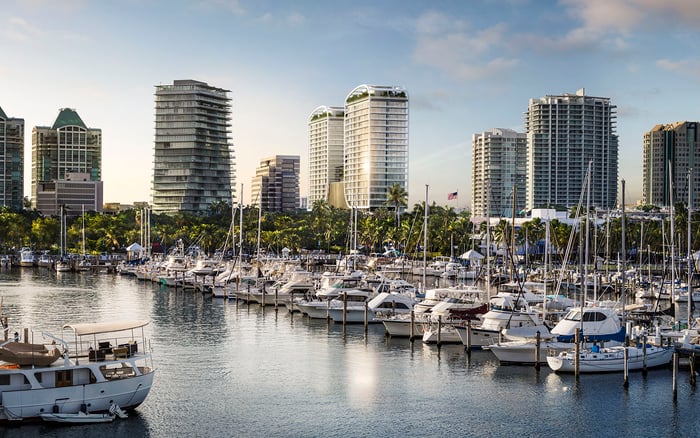
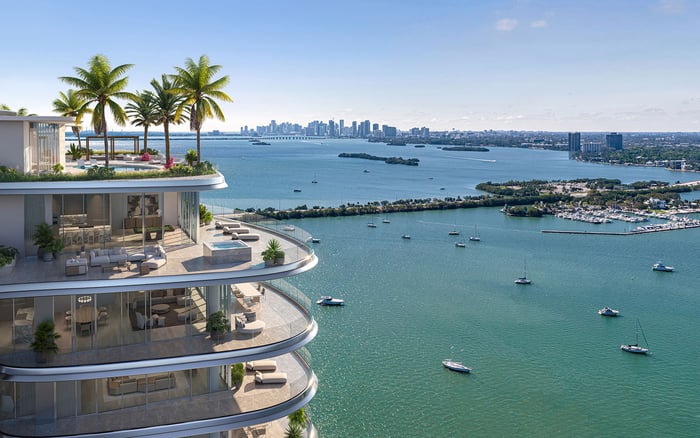
A disciplined Bay Harbor Islands purchase begins with insurability, deductibles, flood-zone review, association documents, and a comparison of total ownership exposure before design preferences.

A refined kitchen, tailored millwork, and a beautifully resolved bath can make a residence memorable. They do not, however, reveal the full financial character of ownership. For a serious Bay Harbor Islands buyer, the more consequential questions may be which risks are insured, which remain with the owner, and how the condominium association allocates responsibility.
That distinction is especially important when comparing homes that appear similar online. A polished residence with unclear insurance terms may warrant more scrutiny than a less decorated property with documents that are easier to interpret. Waterfront ownership deserves a balance-sheet review as exacting as its design review.
Insurance should be examined as a set of contracts and responsibilities, not as a single line item. Buyers can request the association’s current insurance materials, identify the coverage contemplated for the individual residence, and obtain quotes for the property under consideration.
The essential inquiry is not simply whether coverage is available, but what the quoted policy covers, excludes, limits, and requires of the insured. The answer may affect annual carrying costs, liquidity planning, lender discussions, and the buyer’s comfort with retained risk.
This framework belongs at the beginning of due diligence. Whether considering Alana Bay Harbor Islands or reviewing a residence at Bay Harbor Towers, the project name should never substitute for reading the documents tied to the specific purchase.
A wind-coverage discussion should extend beyond the premium. Ask which policy responds to each part of a loss, whether separate deductibles apply, and how the unit owner’s responsibilities interact with those of the association. Definitions matter because similarly named protections can operate differently across contracts.
A buyer should also distinguish building-level coverage from the policy intended for the residence and personal property. Counsel, an insurance professional, and the buyer’s other advisers can help identify overlaps or gaps. The objective is a clear map of responsibility before the inspection period or another contractual deadline expires.
A flood-zone label should begin the inquiry, not conclude it. Confirm the designation applicable to the specific property, then determine how it is reflected in insurance quotations, financing requirements, and the buyer’s risk tolerance. Do not assume that two nearby residences will produce identical answers.
Both the physical residence and the association must be considered. Buyers comparing Onda Bay Harbor with The Well Bay Harbor Islands should request a complete, current package for each candidate rather than carry assumptions from one property to another.
A deductible expressed as a percentage can seem abstract. Serious buyers should ask their insurance adviser to translate every applicable deductible into a dollar amount using the basis specified in the policy. That calculation should be repeated for the owner’s coverage and reviewed alongside any association-level exposure that could ultimately affect owners.
The resulting figure belongs in liquidity planning. A residence may have manageable recurring costs yet still present a meaningful cash requirement after a covered event. The relevant comparison is therefore premium plus retained risk-not premium alone.
In condominium ownership, the residence is only one layer of the purchase. Review the association’s insurance materials, financial statements, budgets, reserve information, governing documents, meeting records, pending claims, and disclosed projects with qualified advisers. The purpose is to understand how shared obligations may reach the individual owner.
Ask practical questions: Who is responsible for interior improvements? How are losses assessed? Are any insurance matters pending? What approvals govern repairs? What documentation would the owner need to produce after an event? Written answers and governing documents deserve more weight than informal assurances.
Resale and new-construction opportunities may present different document sets, but neither category eliminates the need for verification. Investment analysis should likewise incorporate insurance and deductible exposure rather than rely on projected revenue or appreciation alone. This is the disciplined perspective expected in sophisticated buyer’s guides.
Create a one-page matrix for each finalist. Include the quoted premium, principal exclusions, dollar value of deductibles, flood-zone information, association coverage, owner responsibilities, financing conditions, and open questions. Add annual assessments and any potential obligations identified during document review.
Only then place finishes, views, balconies, and amenity preferences alongside the financial terms. This sequence does not diminish design. It prevents the buyer from assigning decisive value to features that are comparatively easy to see while overlooking obligations that demand careful reading.
Before signing, establish which materials must be delivered, who will review them, and what contractual protections apply if the findings are unsatisfactory. Insurance quotes can be requested early, while counsel can address document review and contract language.
The most elegant acquisition is not merely the home with the strongest first impression. It is the one whose beauty, carrying costs, contractual obligations, and retained risks have been considered together.
Should a buyer obtain an insurance quote before making an offer? Early quotations can reveal questions worth addressing before contractual deadlines. Timing should be coordinated with the buyer’s insurance professional and counsel.
Is the association’s insurance enough for a condominium buyer? Buyers should not assume so. The association’s policy and the owner’s proposed policy should be reviewed together to identify responsibilities and potential gaps.
Why does the wind deductible deserve separate attention? Its practical importance lies in the potential dollar amount the insured may retain. Ask an adviser to calculate that amount using the basis stated in the policy.
Does a flood-zone designation determine the entire decision? No single label should replace a property-specific review. Consider the designation alongside policy terms, financing conditions, association records, and personal risk tolerance.
Can two nearby condominiums have different insurance profiles? Buyers should evaluate each property independently. Policies, deductibles, association documents, and owner responsibilities may not be interchangeable.
What association documents deserve priority? Prioritize current insurance materials, financial statements, budgets, reserve information, governing documents, meeting records, claims, and disclosed projects.
How should deductibles enter a purchase comparison? Convert each deductible into dollars and add it to the ownership-risk matrix. Compare recurring premiums with potential retained exposure.
Do luxury finishes affect insurability? Do not presume that visual quality resolves an insurance question. Disclose relevant residence details accurately and let the proposed policy define coverage.
Who should review the insurance package? A buyer may involve an insurance professional, counsel, a lender when applicable, and other qualified advisers. Each should review the materials within the contract timetable.
What is the central question for a serious buyer? Ask whether the residence’s design appeal is matched by understandable obligations, acceptable carrying costs, and retained risk that fits the buyer’s liquidity plan.
For a tailored shortlist and next-step guidance, connect with MILLION.
If branded residences are on your mind — as a home or as an allocation — we would be glad to share what we are seeing, privately.
Begin a quiet conversation