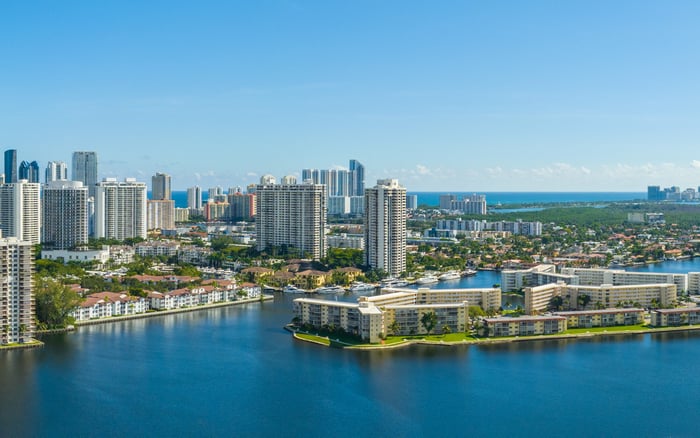
Aventura waterfront buyers can look beyond the asking price by reviewing shoreline responsibilities, seawall condition, dredging needs, boating utility, governing documents, reserves, assessments, permits, and buyer-specific insurance options.
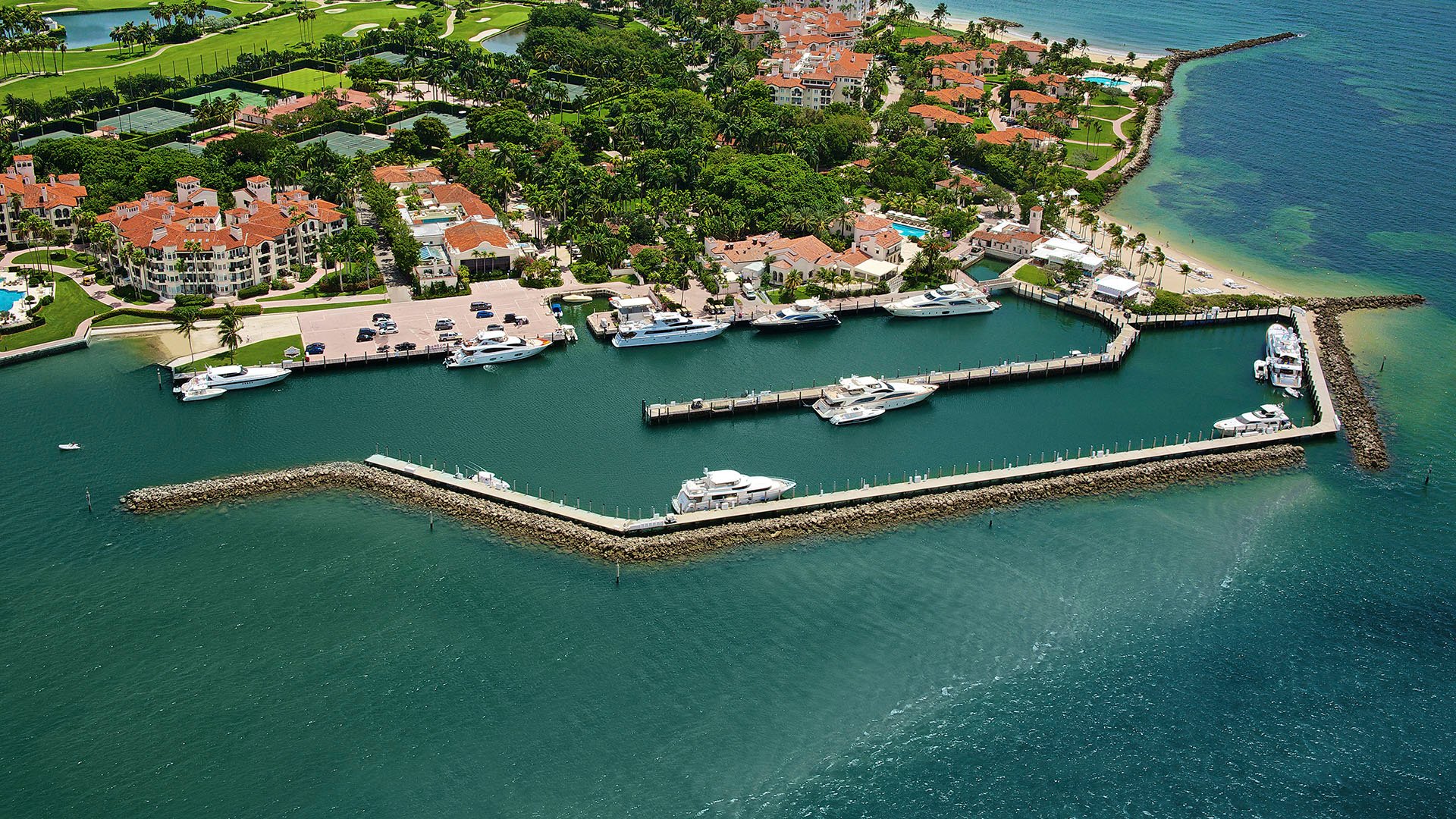
For an Aventura waterfront purchase, the acquisition price is only one part of the decision. Buyers can also evaluate the physical shoreline, boating configuration, maintenance responsibilities, governing documents, potential capital work, and available insurance options.
The responsibility structure can differ by property type and governing documents. Someone considering Avenia Aventura should therefore review the documents and conditions specific to the residence rather than rely on assumptions drawn from another waterfront property.
A useful review begins with a written inventory of the seawall, dock, pilings, boat lift, shoreline, drainage features, and any area that may require dredging or access for future work. For each component, determine who controls it, who maintains it, and how costs are allocated.
The deed, survey, title materials, easements, declaration, association records, and other governing documents can help define that allocation. Buyers can ask qualified legal, engineering, marine, and insurance professionals to identify gaps or conflicts before the inspection period ends.
The same document-first approach can support comparisons with other South Florida waterfront residences, including Bentley Residences Sunny Isles.
A visual impression is not a substitute for an appropriate professional review. Buyers can request an assessment of visible cracking, movement, soil loss, drainage, prior repairs, adjoining structures, and any conditions that could affect the shoreline.
The review should distinguish routine maintenance from near-term stabilization or broader replacement planning. It should also address access constraints and related work that may affect the scope, timing, or disruption of a future project.
Instead of relying on a generic allowance, buyers can seek property-specific scopes and estimates. The acquisition model can then reflect the contemplated work and the period in which it may be needed.
A water view does not by itself establish that a property will accommodate a buyer's intended vessel or boating plans. Depth, access, dock layout, lift configuration, navigational constraints, and the condition of marine improvements all warrant property-specific review.
Buyers can ask whether dredging has occurred, whether future dredging may be contemplated, who would authorize or fund it, and what documentation exists for earlier shoreline or dock work. Any planned alteration should be evaluated for feasibility and required approvals before closing.
Boating-oriented alternatives such as Shell Bay by Auberge Hallandale should be assessed through the same lens: intended use, physical conditions, documented rights, and responsibility for future work.
For a residence governed by an association, buyers can examine budgets, reserves, meeting materials, engineering reports, maintenance records, pending projects, and assessment history. The goal is to understand how shoreline or marine work would be approved and funded.
A low current obligation does not answer whether future work is contemplated. Buyers should connect the physical review with the financial records and ask how an identified project could affect their ownership period.
The seller's insurance arrangements should not be treated as a substitute for quotations and coverage guidance prepared for the buyer. Property characteristics, requested coverage, underwriting, and financing conditions may influence available options.
Before closing, buyers can request appropriate property, flood, and wind-related insurance reviews from qualified professionals. Policy terms, exclusions, deductibles, limits, and conditions should be considered alongside the premium.
A practical model can combine the purchase price with anticipated maintenance, potential capital work, association obligations, possible assessments, dock or lift changes, dredging considerations, and insurance. Timing matters, so each possible cost should be assigned to a realistic planning horizon rather than grouped into a single undifferentiated estimate.
This framework can also help when comparing Aventura with nearby waterfront options such as Onda Bay Harbor. The more useful comparison is the complete ownership proposition, including documented responsibilities and intended waterfront use.
Before the relevant review periods expire, buyers can request the survey, deed, title materials, easements, declaration, association financial records, engineering reports, maintenance history, assessment information, and available documentation for seawalls, docks, lifts, or dredging.
The next step is to reconcile those records with professional inspections, project-specific estimates, insurance options, and the buyer's intended boating plans. Any uncertainty that could affect responsibility, feasibility, cost, or timing should be investigated before the purchase becomes binding.
Why look beyond the asking price for an Aventura waterfront property? Shoreline work, marine improvements, association obligations, and insurance can affect the broader ownership plan.
Which documents can help identify waterfront responsibilities? Review the deed, survey, title materials, easements, declaration, association records, and available maintenance or project documentation.
Who should review a seawall? Buyers can engage an appropriately qualified professional to assess the property-specific condition and recommend any further investigation.
What should a seawall review address? It can consider visible movement, cracking, soil loss, drainage, prior repairs, adjoining conditions, and access for future work.
How can a buyer evaluate dredging obligations? Ask whether dredging has occurred or may be contemplated, who controls the work, how it would be funded, and what supporting documents exist.
Does a water view confirm boating suitability? No. Buyers should separately examine depth, access, dock layout, lift configuration, navigational constraints, and their intended vessel use.
What association records are relevant to shoreline planning? Budgets, reserves, meeting materials, engineering reports, maintenance records, planned projects, and assessment history can provide useful context.
Should a buyer rely on the seller's insurance arrangements? No. The buyer should request coverage guidance and quotations tailored to the property, financing, and desired protection.
What belongs in a complete waterfront ownership model? Consider anticipated maintenance, capital work, association obligations, possible assessments, marine improvements, dredging considerations, and insurance.
What should happen before the purchase becomes binding? Reconcile the property documents with professional reviews, estimates, insurance options, and the buyer's intended waterfront use.
For a tailored shortlist and next-step guidance, connect with MILLION.
If branded residences are on your mind — as a home or as an allocation — we would be glad to share what we are seeing, privately.
Begin a quiet conversation