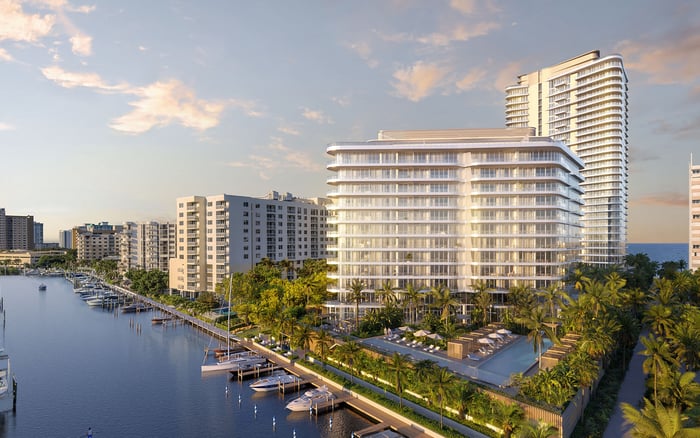
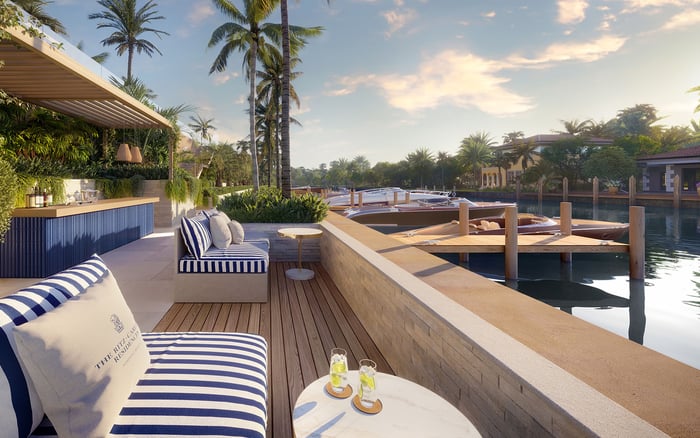
Miami Beach still owns the glamour narrative, but a growing share of coastal buyers are choosing Broward beach towns for quieter daily life, value-oriented entry points, lower tourism intensity and a more residential rhythm near the ocean.
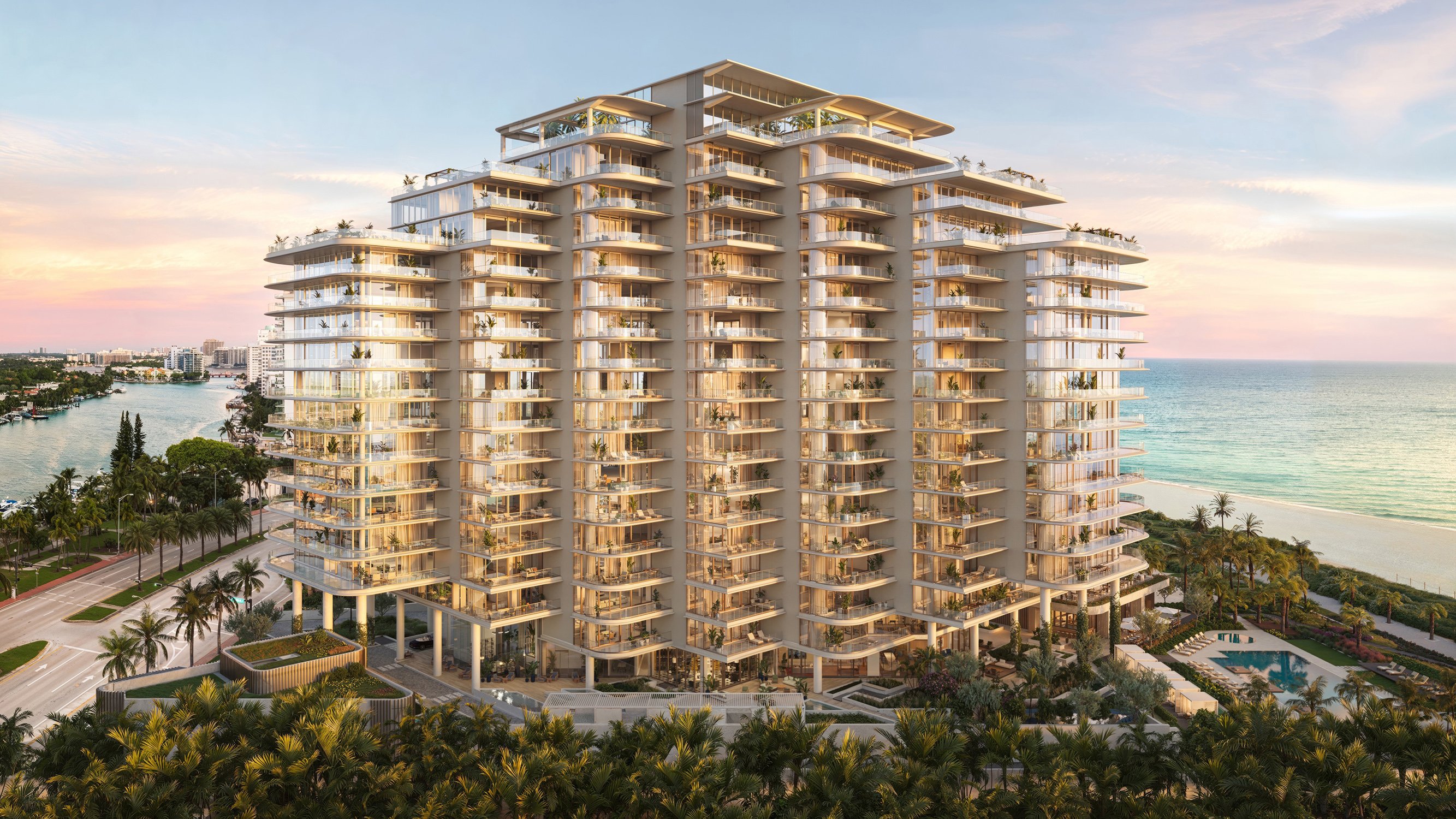
Miami Beach remains one of South Florida’s clearest luxury symbols: international recognition, restaurant density, nightlife, design hotels, branded residences and a social calendar that can make even a quiet Tuesday feel curated. For many buyers, that is exactly the point. For others, it is the reason to look north.
The appeal of calmer Broward beach towns is not simply the possibility of lower entry points than comparable beach-area inventory in Miami Beach. The deeper motivation is control over daily life. Buyers considering Lauderdale-by-the-Sea, Deerfield Beach and Pompano Beach are often seeking the ocean without the constant theater of a global resort market. They want morning beach access, familiar restaurants, manageable errands and a quieter evening cadence. Miami Beach sells glamour; Broward sells calm, value and everyday livability.
That distinction matters in the luxury segment. A buyer may admire the architecture and prestige surrounding The Perigon Miami Beach or Shore Club Private Collections Miami Beach, yet still decide that their actual week is better served by a village-scale coastal setting farther north.
The Miami Beach proposition is high-profile and tourism-driven. It offers global recognition, deep hospitality infrastructure and a level of cultural visibility that few American beach markets can match. The tradeoff is that buyers also inherit the pressures that come with that visibility: seasonal crowding, congestion, investor attention, late-hour activity and a pricing environment shaped by luxury branding and short-term rental dynamics.
Broward’s quieter coastal towns offer a different equation. Lauderdale-by-the-Sea’s small-town beach identity gives it a more intimate feel than Miami Beach’s urban resort environment. Deerfield Beach delivers a residential beach-town profile with municipal amenities. Pompano Beach benefits from proximity to Fort Lauderdale-area employment, airport access and regional amenities while still fitting within Broward’s calmer shoreline narrative.
For established residents, semi-retirees, retirees and remote-work buyers, that can be compelling. The ocean remains central, but the experience is less performative. The buyer is not necessarily rejecting luxury. They may be rejecting friction.
Price remains one of the clearest reasons buyers compare Broward with Miami Beach. Broward beach towns generally offer lower entry points than comparable beach-area inventory in Miami Beach, though exact spreads shift with current listings, building quality, view corridors, HOA structures and renovation levels. A serious buyer should avoid broad percentage assumptions and instead compare active inventory at the building and unit level.
Still, value is only the opening conversation. The more revealing question is what a buyer wants their home to feel like Monday through Thursday. A Miami Beach address can deliver prestige, energy and proximity to nightlife. A Broward beach address can deliver quieter streets, lower tourism intensity and a stronger sense of owner-occupied routine.
That is why Pompano Beach has become especially relevant in this discussion. Projects such as Armani Casa Residences Pompano Beach and The Ritz-Carlton Residences® Pompano Beach show how luxury buyers can pursue branded or design-forward living while choosing a less frenetic coastal setting than Miami Beach.
Density is not only about building height. It is about the lived experience of arrival, parking, restaurant access, beach access and the number of visitors competing for the same public spaces. Miami Beach’s seasonal surges can reshape daily life, particularly for buyers who use their residence as a primary home rather than a weekend stage.
Broward’s calmer beach towns are attractive because they often feel more residential. Streets can read as more local. Public spaces can feel less dominated by visitors. Restaurants and beach walks can become part of a routine rather than an event. For buyers who prize privacy, predictability and a gentler social temperature, that difference is meaningful.
Fort Lauderdale also factors into the broader calculus. Buyers who want access to employment, airport connections and urban amenities may find that Broward gives them a practical regional base without forcing them into the intensity of Miami Beach. Residences such as Four Seasons Hotel & Private Residences Fort Lauderdale help illustrate how Broward can combine service-oriented luxury with a more relaxed coastal rhythm.
The smartest comparisons happen property by property. Assessed values, tax histories, exemptions, HOA fees, insurance assumptions and building reserves can materially affect ownership cost. Miami Beach properties should be evaluated through the relevant Miami-Dade records, while Lauderdale-by-the-Sea, Deerfield Beach and Pompano Beach properties should be reviewed through Broward records.
This is where broad market narratives give way to disciplined underwriting. A lower purchase price does not automatically create a better ownership profile. Conversely, a Miami Beach premium may be justified for a buyer who values brand recognition, rental flexibility, nightlife proximity or long-term scarcity in a globally recognized location.
The right decision depends on use. A buyer seeking a social, design-forward second home may still prefer Miami Beach. A buyer prioritizing quiet mornings, easier daily movement and a more residential beach culture may find Broward more aligned.
The glamour gap is not closing, and it does not need to. Miami Beach will continue to command attention because attention is part of its product. Broward’s calmer beach towns compete on a different axis: composure.
For many affluent buyers, composure is now a luxury feature. It is the ability to leave the lobby without negotiating a crowd, to walk to the beach without spectacle, to know the rhythm of the neighborhood and to live near the ocean without feeling that every street is part of a hospitality machine.
That is why the Broward choice should not be dismissed as a budget compromise. In many cases, it is an intentional lifestyle preference. The buyer is choosing stability over scene, local texture over celebrity cachet and ease over constant stimulation. In a market where prestige is abundant, quiet can become the rarer amenity.
Why do some buyers choose Broward beach towns over Miami Beach? They often want quieter coastal living, lower tourism intensity and a more residential daily rhythm near the ocean.
Which Broward beach towns are most relevant in this comparison? Lauderdale-by-the-Sea, Deerfield Beach and Pompano Beach are the main calmer alternatives highlighted for this buyer profile.
Is Broward always less expensive than Miami Beach? Broward beach towns generally offer lower entry points, but pricing varies by building, view, condition, amenities and current inventory.
Does Miami Beach still have the stronger luxury brand? Yes. Miami Beach remains the higher-profile, more internationally recognized coastal market with stronger nightlife and resort energy.
Why is Pompano Beach gaining attention? Pompano Beach combines coastal access with proximity to Fort Lauderdale-area jobs, airport access and regional amenities.
Are quieter Broward towns better for primary residents? They can be, especially for buyers who value owner-occupancy, routine, lower density and less seasonal congestion.
Should buyers compare taxes before choosing a town? Yes. Assessed values and tax histories should be reviewed at the property level in the relevant county records.
Does nightlife influence the decision? Often. Some buyers enjoy Miami Beach’s late-hour energy, while others prefer Broward communities precisely because they are quieter.
Is this mainly a retirement-driven trend? Not entirely. Retirees and semi-retirees are part of the audience, but remote-work buyers and established residents are also drawn to calm.
Can Broward still feel luxurious without Miami Beach glamour? Yes. For many buyers, luxury is defined by privacy, ease, beach access and a more composed coastal lifestyle.
For a tailored shortlist and next-step guidance, connect with MILLION.
If branded residences are on your mind — as a home or as an allocation — we would be glad to share what we are seeing, privately.
Begin a quiet conversation