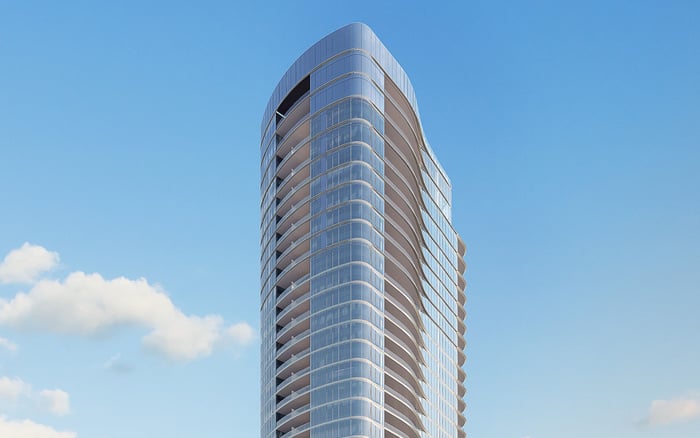
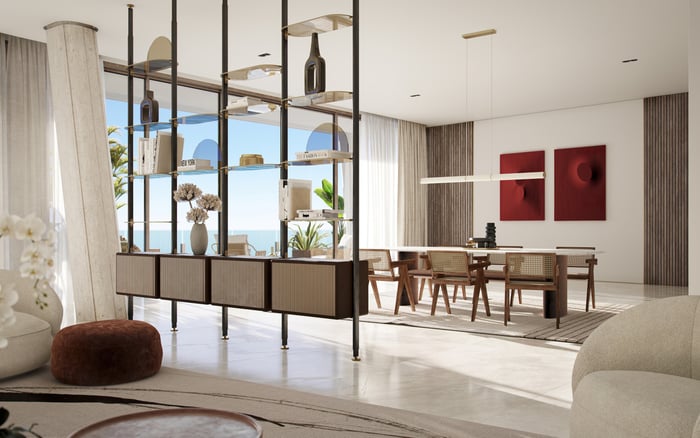
Coconut Grove offers Silicon Valley buyers a rare combination: Florida’s tax advantages, a credible family routine, Biscayne Bay access, and privacy that feels embedded in the landscape rather than imposed upon it.
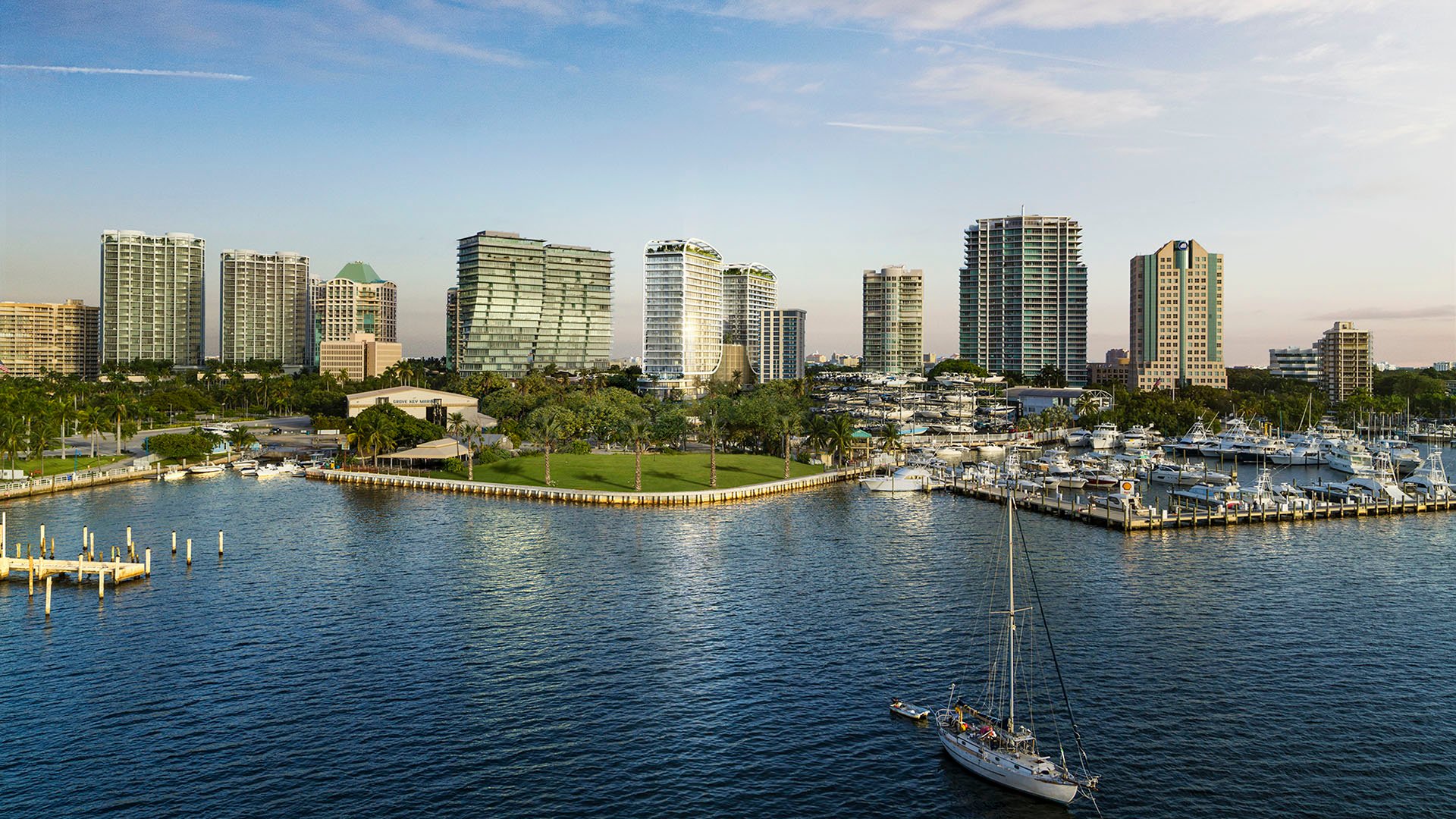
For Silicon Valley founders, investors, and executives considering South Florida, Coconut Grove presents a proposition more nuanced than a favorable tax map. Florida levies no state individual income tax-an obvious point of interest for high-net-worth Californians. Yet the Grove’s deeper appeal lies in its ability to support the rhythms of a genuine primary residence: school mornings, neighborhood dinners, waterfront weekends, and a degree of anonymity uncommon in globally recognized luxury enclaves.
That distinction matters. Property ownership alone does not establish Florida domicile. Buyers moving from California should coordinate tax and legal advice around physical presence, documentary evidence, personal ties, and potential residency-audit exposure. The residence must work operationally for the household, not merely financially on paper.
Coconut Grove makes that transition plausible. It sits immediately south of Brickell along Biscayne Bay, offering access to Miami’s financial district without reproducing downtown density. The result is the cadence of an established residential community within close reach of the city’s commercial core.
Miami’s most celebrated addresses often express privacy through separation: a private island, a guarded bridge, or a highly visible trophy tower. Coconut Grove takes a quieter approach. Mature tropical landscaping shades residential streets, screens homes, and softens pedestrian routes. Estate-sized waterfront parcels and gated enclaves add further layers of discretion.
High-profile buyers have reinforced this positioning. Larry Page and Ken Griffin chose Coconut Grove, while other billionaire purchasers gravitated toward Indian Creek and Fisher Island. Across two Grove acquisitions, Page spent more than $173 million. The significance lies less in celebrity than in preference: exceptional capital selected a neighborhood known for family life and relative understatement.
Camp Biscayne illustrates the formula particularly well. Its limited collection of gated estates combines direct bay access and privacy with walkability to the village center. This gated-community model feels protected without requiring residents to withdraw from neighborhood life.
For condominium buyers, Park Grove Coconut Grove provides a residential option within the same broader waterfront setting, while Vita at Grove Isle appeals to those considering an island-oriented expression of seclusion near the Grove.
The Grove has long attracted local families with its single-family homes, walkable streets, and proximity to education. Nearby options include Ransom Everglades, Carrollton School of the Sacred Heart, St. Stephen’s Episcopal, and Coconut Grove Elementary. Families should assess admissions, grade structure, transportation, and fit independently, but the concentration of choices makes a full-time move more workable.
The village center adds another advantage. Boutiques and restaurants are reachable on foot, a relative rarity in car-oriented Miami. The resulting urban-suburban balance has invited comparisons with Palo Alto or Atherton: substantial homes and greenery paired with an accessible communal center.
Boating is similarly integrated into daily life rather than reserved for occasional escape. Dinner Key Marina sits a short walk from CocoWalk and the village core, with 587 wet slips and 250 moorings. Parks, yacht culture, historic waterfront character, and established streets give the neighborhood a texture distinct from newer master-planned districts.
In practical terms, the buyer brief brings together lifestyle priorities and private-school planning with waterfront access, gated-community privacy, and the breadth of estates and single-family living.
Coconut Grove is not a single product type. Buyers may compare a private estate with a managed residence, weighing land, staffing, security, maintenance, and the desired level of service. The right answer often depends on whether the property will become the household’s daily base or remain one component of a broader residential portfolio.
Four Seasons Residences Coconut Grove introduces a hospitality-aligned option for buyers who value managed living. Mr. C Tigertail Coconut Grove offers another Grove address for those prioritizing a condominium format near neighborhood amenities. These alternatives can be relevant when a family wants immediate usability without the operational demands of a large estate.
Pricing requires equal precision. In September 2025, the neighborhood’s median listing price was $2.4 million, more than double its $1 million level in September 2019. The luxury threshold, measured at the 90th percentile, stood at approximately $8.6 million. Waterfront homes and properties within gated enclaves can occupy a separate tier, ranging from roughly $10 million into the high eight figures.
Those figures describe a segmented market. Buyers should compare privacy, water access, lot characteristics, building services, and proximity to the village rather than treating the neighborhood median as a proxy for estate value.
For a Silicon Valley household, the most useful question is not whether Coconut Grove offers tax efficiency. It is whether the neighborhood supports enough real life to make Florida residency both authentic and desirable.
A disciplined review should begin with tax and domicile counsel, then move through schooling, travel patterns, office access, boating needs, security preferences, and property management. The Grove’s strength lies in the way these considerations can coexist. It offers proximity without exposure, community without forced sociability, and luxury without requiring conspicuous display.
That combination is often described as grounded luxury. For technology and entrepreneurial families accustomed to privacy, demanding schedules, and globally distributed lives, it may be the neighborhood’s most valuable amenity.
Does Florida have a state individual income tax? Florida levies no state individual income tax, which can appeal to high-net-worth Californians considering a primary residence in Miami.
Does buying a Coconut Grove home establish Florida tax residency? No. Ownership alone does not establish domicile, so buyers should seek tax and legal guidance on physical presence, documentation, personal ties, and California audit risk.
Why does Coconut Grove appeal to families? It combines single-family housing, walkable streets, nearby schools, parks, restaurants, and a quieter residential character.
Which schools are near Coconut Grove? Nearby options include Ransom Everglades, Carrollton School of the Sacred Heart, St. Stephen’s Episcopal, and Coconut Grove Elementary.
How private is Coconut Grove? Mature tropical landscaping, estate parcels, and gated enclaves can provide substantial visual screening and controlled access.
Is Coconut Grove convenient to Brickell? Yes. The neighborhood sits immediately south of Brickell along Biscayne Bay, offering proximity to the financial district without downtown density.
Can residents walk to shops and restaurants? The village center offers walkable access to boutiques and dining, distinguishing the Grove within car-oriented Miami.
What boating infrastructure is nearby? Dinner Key Marina is near CocoWalk and the village core, with 587 wet slips and 250 moorings.
What was Coconut Grove’s luxury price threshold in September 2025? The 90th-percentile listing price was approximately $8.6 million, while premier waterfront and gated properties could command considerably more.
Should buyers choose an estate or condominium? The decision depends on desired land, privacy, staffing, services, maintenance, and whether the home will function as a full-time base.
If you'd like a private walkthrough and a curated shortlist, connect with MILLION.
If branded residences are on your mind — as a home or as an allocation — we would be glad to share what we are seeing, privately.
Begin a quiet conversation