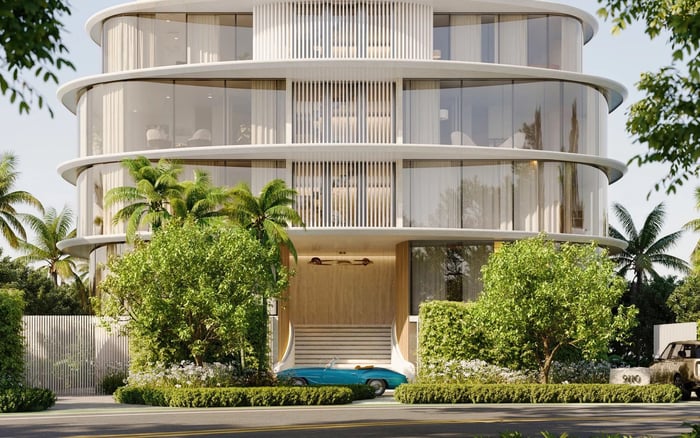
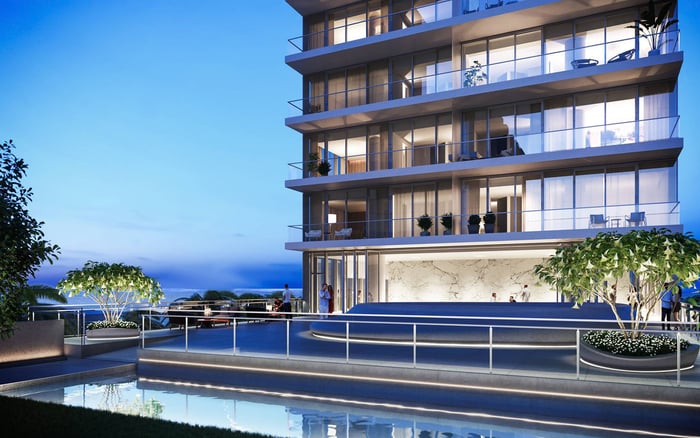
For discerning Hallandale Beach buyers, operational details often determine whether a beautiful residence functions gracefully in real life. Pet rules, elevator access, and guest parking deserve document-level review before finishes influence the final decision.
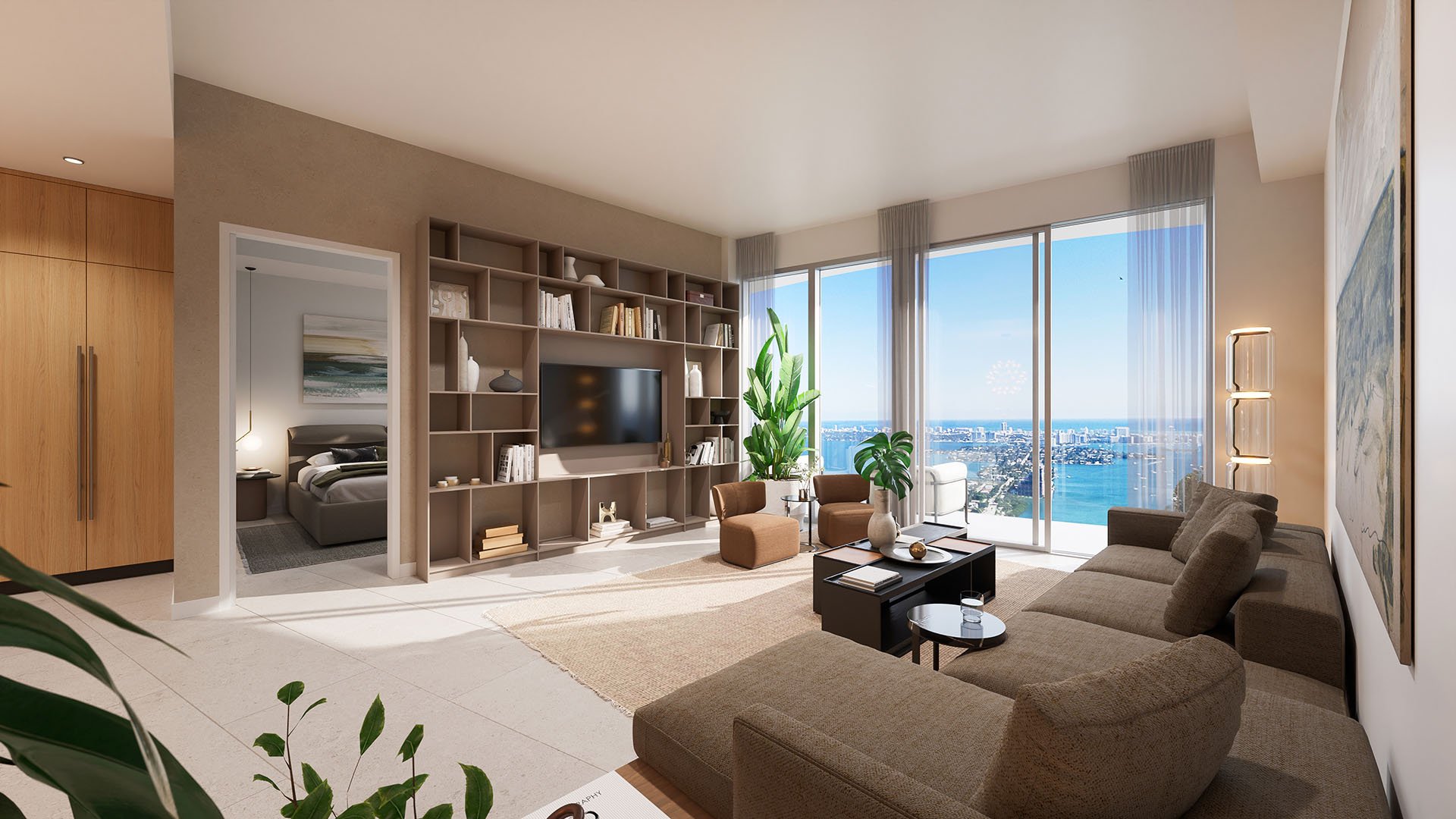
A polished residence can elicit an immediate emotional response. Stone surfaces, tailored millwork, expansive glass, and carefully composed lighting are easy to appreciate during a private showing. Yet the quality of condominium ownership often rests on less photogenic details: where a dog may enter, how deliveries reach the residence, and whether arriving guests can park without complication.
For serious Hallandale Beach buyers, these are not secondary considerations. They shape the cadence of mornings, entertaining, household staffing, extended stays, and the simple ease of arriving home. Finishes can often be altered. A building's operating rules and physical circulation are usually far less flexible.
A building described as pet-friendly may still impose rules that materially affect a household. Buyers should review the governing documents and current policies for permitted numbers, size or weight parameters, breed language, registration procedures, deposits, designated entrances, elevator use, and access to common areas. The practical question is not merely whether pets are allowed, but whether the entire routine feels discreet and manageable.
Consider the full day. Which route is available for an early walk? Must an owner use a particular elevator? Can a pet caregiver enter when the resident is away? Are there restrictions that could affect visiting family members with animals? The answers may matter more than an upgraded appliance package.
They may also influence future marketability. Buyers should not assume that personal flexibility today guarantees the same fit for the next purchaser. Written policies, amendments, and enforcement practices merit review with appropriate professional advisers.
Elevator planning is a form of invisible architecture. During a showing, buyers naturally focus on the residential arrival. Due diligence should extend to the less visible circulation used for deliveries, move-ins, maintenance personnel, contractors, luggage, and household staff.
Ask how service-elevator reservations are managed, whether operating hours apply, and what happens when the elevator is already committed. Clarify the route from the loading area to the residence, including any doors, corridors, or access controls. For a second-home owner coordinating installations remotely, a cumbersome process can turn a simple delivery into a scheduling exercise.
Frequency matters as much as policy. A household that entertains, renovates periodically, receives regular deliveries, or employs staff will interact with these systems more often. The relevant luxury is not ceremonial grandeur, but predictable movement with minimal friction.
Guest parking can determine whether entertaining begins elegantly or with a phone call from the driveway. Buyers should establish how visitor access works in practice: advance registration, valet procedures, space availability, overnight permissions, vehicle limits, and arrangements for family, caregivers, vendors, or private staff.
The inquiry should reflect the household's actual lifestyle. A couple hosting occasional dinners has different requirements from a multigenerational family expecting extended visits. Similarly, a buyer who travels frequently may need a clear protocol for drivers, property managers, and service providers while the residence is unoccupied.
For oceanfront and waterfront purchasers, the view may define the first impression, but arrival logistics often determine lasting satisfaction. A composed lobby cannot compensate for a visitor process that conflicts with the way an owner expects to host.
A disciplined tour should apply the same questions to every property. In Hallandale, buyers might begin with 2000 Ocean Hallandale Beach and Shell Bay by Auberge Hallandale, then widen the comparison to nearby coastal options such as Turnberry Ocean Club Sunny Isles and Auberge Beach Residences & Spa Fort Lauderdale.
The purpose is not to assume that one property's procedures resemble another's. It is to observe how each candidate addresses the same household-specific brief. Across Broward and neighboring markets, a consistent questionnaire makes differences easier to recognize before design preferences take over.
Request written materials rather than relying solely on conversational summaries. Policies can be nuanced, and the documents available for review should be considered alongside the residence, common areas, staffing model, and anticipated pattern of use.
The most effective buyer's guide begins with daily life. Create a concise written profile covering pets, vehicles, recurring visitors, household employees, deliveries, renovation plans, and periods when the home will be vacant. Then connect each need to a document, procedure, or physical route that can be examined.
For pet ownership, request the applicable rules and forms. For elevators, ask about reservations, access, dimensions relevant to planned furnishings, and any procedures associated with moves or contractor work. For parking, distinguish resident arrangements from guest, valet, vendor, and overnight protocols.
Buyers should also ask which matters are fixed by the building's physical design and which are governed by policies that may change. Legal counsel and other appropriate advisers can help interpret condominium documents, while direct observation can reveal whether the building's circulation feels natural for the household.
Finishes still matter. They establish atmosphere, tactility, and visual coherence. But they should be evaluated only after the building has passed the operational test.
A useful decision rule is simple: identify the recurring moments that cannot be redesigned from within the residence. If pet access, service circulation, or guest arrival creates persistent friction, beautiful interiors may merely disguise the mismatch. When those systems support the owner's habits, design can fulfill its proper role: adding pleasure to a home that already works.
Should pet approval be confirmed before making a purchase decision? Yes. Review the applicable written documents and procedures with appropriate advisers rather than relying on a general description.
Is a pet-friendly label enough for due diligence? No. Numbers, sizes, access routes, registration, common-area rules, and caregiver procedures may all affect daily life.
Why does the service elevator matter to a luxury buyer? It can shape deliveries, moves, contractor access, luggage handling, and staff circulation throughout ownership.
What should buyers ask about elevator reservations? Ask about scheduling, permitted hours, access routes, conflicts, fees, and procedures for moves or large deliveries.
Why examine guest parking if valet service is available? Valet does not answer every question. Buyers should still clarify visitor registration, overnight access, vehicle limits, and peak-period procedures.
Should family visits be part of the parking review? Yes. Frequent or extended visits can create different needs from occasional dinner guests.
Can building policies change after purchase? Policies may be subject to amendment, so buyers should understand the governing framework and seek professional guidance.
How can buyers compare several condominiums fairly? Use the same written questions for each property, then compare both the documents and the physical experience.
Are finishes unimportant in this decision? No. They matter, but are usually best considered after operational compatibility has been established.
What is the central test for a Hallandale Beach residence? Determine whether the building supports the household's real routines with privacy, predictability, and minimal friction.
To compare the best-fit options with clarity, connect with MILLION.
If branded residences are on your mind — as a home or as an allocation — we would be glad to share what we are seeing, privately.
Begin a quiet conversation