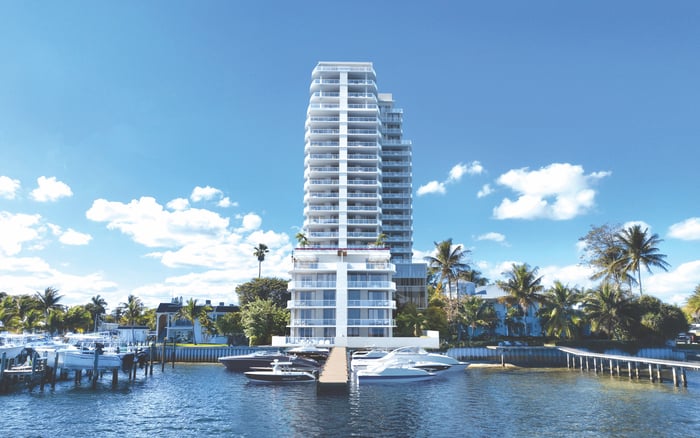
For yacht owners considering a Palm Beach residence, berth arrangements, navigational fit, operating expenses, and crew access belong in the acquisition analysis alongside the home itself.
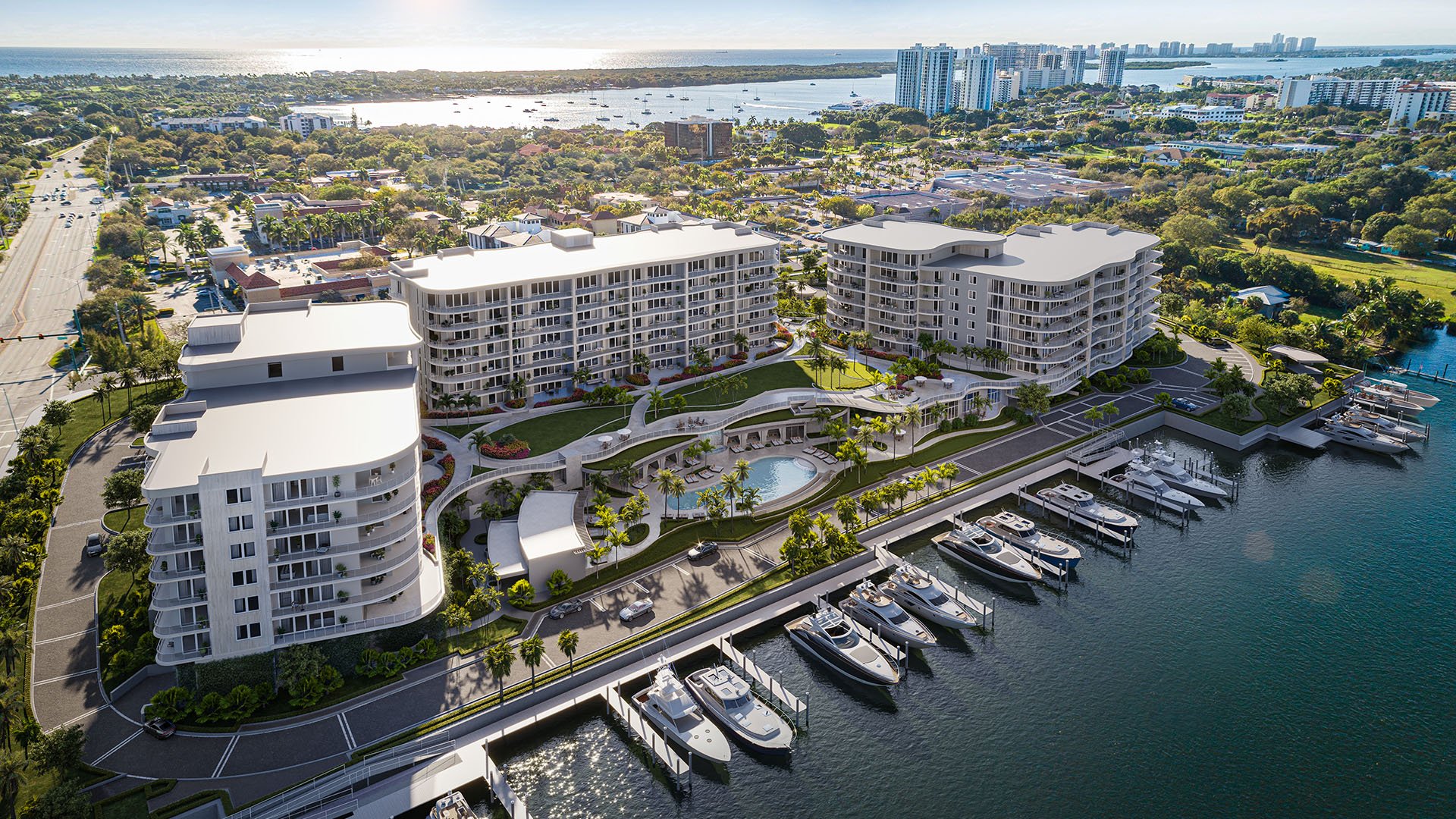
For a yacht owner, the asking price is only one part of a Palm Beach residential acquisition. The more useful comparison considers whether the berth arrangement, vessel access, and shoreside operations support the owner's intended use.
A waterfront address does not answer every operational question. A buyer considering Alba West Palm Beach or another Palm Beach County residence can assess the home and yacht plan as one lifestyle decision while documenting each component separately.
The practical objective is to understand the complete operating system: the residence, berth rights, navigational route, dock configuration, utilities, and crew movement.
Berth expenses should be reviewed independently from the residence's purchase price and carrying costs. The analysis can include base dues or rent, utilities, service charges, access terms, and any costs associated with the required berth configuration.
A buyer should request the complete fee schedule and identify which charges are fixed, variable, or subject to renewal. Comparing residences without this marine-cost layer can obscure the operational difference between two otherwise compelling options.
Proximity to a marina is not the same as documented control of a suitable berth. Buyers should determine whether the relevant right is deeded, assigned, leased, renewable, transferable, or governed by a separate agreement.
The review should also address approval requirements, vessel restrictions, termination provisions, wait-list exposure, and what happens to the berth arrangement when the residence is sold. When evaluating Forté on Flagler West Palm Beach or another Flagler Drive option, the residential and marine documents should be examined as distinct parts of the proposed ownership plan.
Bridge suitability depends on the yacht's air draft and the complete passage between the intended berth and open water. The review should account for every relevant span, its operating condition, any opening process, horizontal constraints, and the effect of those factors on departure planning.
This is particularly important when comparing locations across Palm Beach County. A buyer weighing The Ritz-Carlton Residences® Palm Beach Gardens against options farther south should map the actual route intended for the vessel rather than rely on a general description of water access.
A marine review should record the yacht's length overall, beam, loaded draft, air draft, turning needs, and shore-power requirements. Those specifications can then be assessed against berth depth, approach depth, dock layout, utility capacity, and maneuvering space.
Buyers should seek current, property-specific information and review relevant dock documentation. The central question is whether the vessel can approach, berth, connect, remain secure, and depart within the owner's intended operating conditions.
A residence and berth can each appear attractive while functioning poorly together. The operating plan should test crew parking, deliveries, provisioning, waste handling, fueling coordination, maintenance access, guest transfers, and travel between the home and yacht.
A residence such as Shorecrest Flagler Drive West Palm Beach can be placed within this wider map. Proximity is useful only when the complete sequence-from crew arrival and service access to guest departure and return-works in practice.
Before contract deadlines, a yacht-oriented buyer can assemble a marine file containing berth documents, transfer and renewal terms, the complete cost schedule, vessel specifications, route constraints, depth information, dock records, utility requirements, insurance questions, and a crew-logistics plan.
That file allows the buyer to compare total usability rather than price alone. A lower-priced residence may involve a less suitable berth arrangement or more complicated operations, while another option may better align the home, vessel, and crew plan. The preferred choice depends on verified documents, measurements, and the owner's priorities.
Does a waterfront residence automatically include a suitable berth? Not necessarily. The residential interest and berth arrangement should be identified and reviewed separately.
Which marina costs should a buyer examine? Review the complete fee schedule, including berth charges, utilities, services, and renewal-related expenses.
Why do transfer terms matter? They help establish whether and how a berth arrangement can pass with a future sale or other ownership change.
What does air draft affect? Air draft is used when assessing whether the yacht fits beneath relevant bridges along the intended route.
Should the buyer check only the nearest bridge? No. The review should cover the complete route between the berth and open water.
Why is loaded draft important? It should be compared with current, location-specific depth information for the berth and approach.
What dock details deserve review? Consider layout, maneuvering room, utility capacity, access, and the documentation governing the dock.
Which crew logistics should be modeled? Test parking, provisioning, deliveries, maintenance access, waste handling, guest transfers, and travel time.
When should marine due diligence begin? It should begin early enough for documents, measurements, and operational questions to be reviewed before applicable deadlines.
What creates the clearest residence comparison? A combined review of the home, berth terms, vessel fit, route, expenses, and crew plan provides the most useful framework.
If you'd like a private walkthrough and a curated shortlist, connect with MILLION.
If branded residences are on your mind — as a home or as an allocation — we would be glad to share what we are seeing, privately.
Begin a quiet conversation