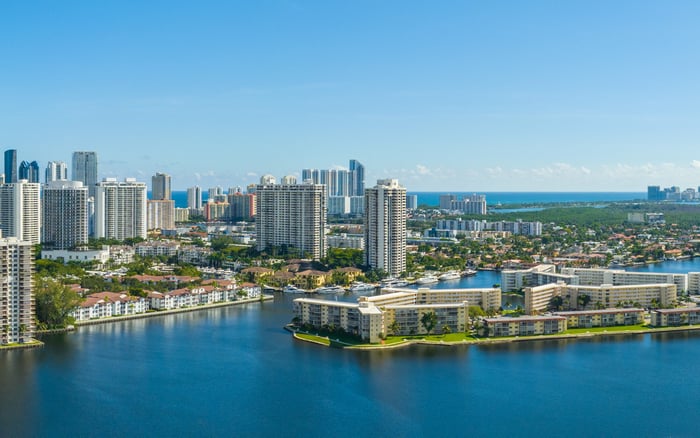
In Aventura, a compelling residence can become a poor yachting purchase when slip rights, route restrictions, recurring marina costs, or crew protocols do not fit the vessel.
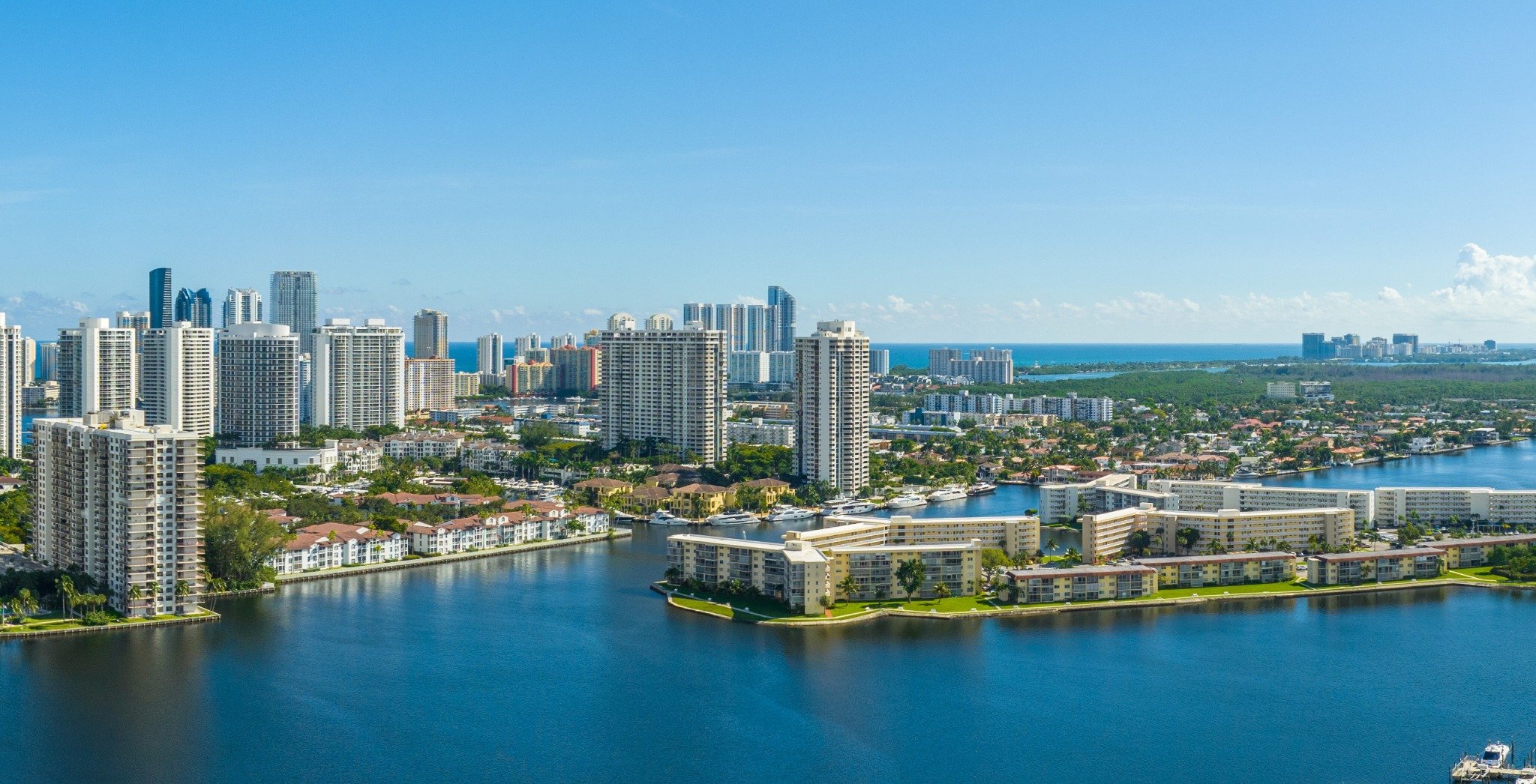
In Aventura, the practical value of a waterfront residence may depend on more than its interiors, views, and asking price. A home can be compelling on its own yet unsuitable for a yacht owner if the associated berth does not fit the vessel, the slip right cannot transfer, or the intended route presents an obstacle.
A careful acquisition treats the residence and berth as related but distinct assets. The home and marina arrangement may involve different rights, expenses, eligibility requirements, and resale considerations. Buyers should identify which terms attach to the residence, which attach to the berth, and which remain under marina or association control.
That distinction is relevant when considering Avenia Aventura and comparing it with other residential choices in the surrounding market. Architecture and amenities shape the lifestyle proposition, but marine compatibility determines whether the property supports the owner’s actual boating plans.
A statement that a slip can accommodate a particular vessel size is not enough for due diligence. The buyer should confirm the yacht’s length, beam, draft, and air draft against the usable dimensions and physical configuration of the specific berth.
The review should account for pilings, fenders, dock geometry, neighboring vessels, maneuvering space, and water depth at the berth and along the approach. Marina-wide specifications may not describe every individual slip, so the analysis must focus on the berth being offered.
Depth information also requires context. Buyers should confirm the tidal reference used, distinguish channel depth from dockside depth, and determine whether changing conditions could affect access. Measurements and representations should be verified by appropriate marine professionals before closing.
A berth may suit a yacht while the preferred route does not. Fixed bridges, regulated bridges, channel conditions, no-wake areas, and operating restrictions can influence whether access is practical for a vessel’s dimensions and schedule.
Air draft is especially important because clearance at the marina does not establish clearance throughout the journey. The intended route should be reviewed from the berth to open water, including feasible alternatives and the operational implications of each.
This broader analysis can inform comparisons with Bentley Residences Sunny Isles. Proximity on a map does not by itself establish equivalent boating convenience; the relevant question is how each location works with the owner’s vessel and customary itinerary.
Not every boat space represents the same legal interest. A berth may be deeded, assigned, licensed, leased, or provided through another arrangement. Counsel should determine what the buyer is acquiring and whether that interest transfers with the residence.
The review should also address whether the berth can be sold or leased separately, whether ownership or residency conditions apply, whether vessel changes require approval, and whether the marina can reassign or revoke the space. Any waitlist, approval process, or dimensional restriction should be documented rather than assumed.
These questions matter because a residence can remain desirable even when its marina arrangement does not meet the buyer’s needs. Conversely, secure rights to a suitable berth may materially strengthen the practical appeal of a waterfront acquisition.
The asking price captures only part of the ownership picture. Marina dues, dockage, utilities, assessments, maintenance obligations, insurance requirements, and service charges may affect the annual cost of using the property as intended.
Buyers should determine which expenses are fixed, which vary with vessel use, and which may change under governing documents or marina policies. The review should also identify responsibility for repairs, storm preparation, utilities, and damage associated with the berth or vessel.
A less expensive residence may not be the better acquisition if the marina arrangement introduces unsuitable rights or recurring obligations. A comparison involving One Park Tower by Turnberry North Miami should therefore apply the same framework rather than treating all waterfront locations as operationally equivalent.
For a crewed yacht, physical fit is only the first test. The buyer should confirm liveaboard rules, overnight access, parking, credentials, deliveries, fueling procedures, waste handling, contractor admission, and emergency protocols.
Access outside ordinary office hours deserves particular attention. Crew, provisions, technicians, and service providers may need entry when management personnel are unavailable. A marina that appears convenient during a scheduled tour may function differently during an early departure, late arrival, or maintenance event.
The strongest Aventura purchase is therefore the one in which the residence, berth rights, vessel dimensions, route, annual obligations, and operating procedures work together. That alignment can matter more to an owner’s experience than the headline asking price alone.
Why should a berth be assessed separately from the residence? The berth may carry its own rights, expenses, transfer conditions, and operating restrictions.
Which vessel dimensions should be checked? Buyers should compare length, beam, draft, and air draft with the specific berth and intended route.
Is a marina’s advertised capacity enough for due diligence? No. Conditions can vary by berth, so the specific space and approach require verification.
Why does bridge clearance matter? A fixed or regulated bridge may restrict a yacht even when the berth itself has adequate clearance.
What should counsel review about slip rights? Counsel should examine the nature of the right, transferability, leasing terms, eligibility rules, and marina control.
Can a berth automatically transfer with a condominium? Not always. The governing documents and transaction terms must establish whether and how it transfers.
Which marina costs belong in the ownership model? Buyers should review dues, dockage, utilities, assessments, maintenance obligations, and applicable service charges.
Why are crew procedures relevant to a home purchase? Access, parking, deliveries, contractor entry, and overnight rules can determine whether yacht operations are practical.
Should the route be reviewed before closing? Yes. The intended journey should be checked for bridge, channel, access, and operating constraints.
What defines a well-matched Aventura waterfront acquisition? The residence, berth rights, vessel profile, route, costs, and service procedures should support the owner’s intended use.
For a confidential assessment and a building-by-building shortlist, connect with MILLION.
If branded residences are on your mind — as a home or as an allocation — we would be glad to share what we are seeing, privately.
Begin a quiet conversation