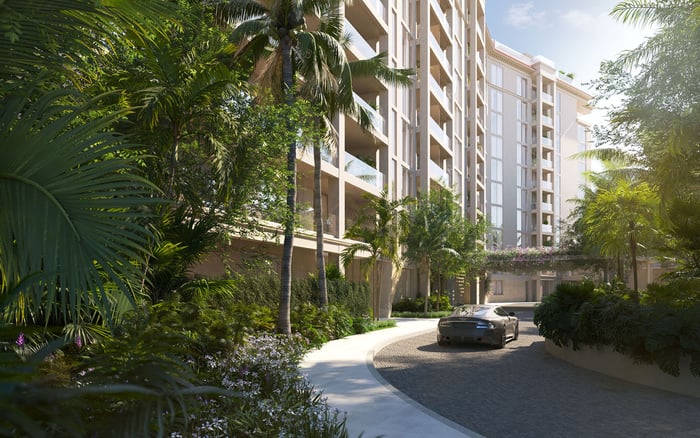
This guide examines Key Biscayne through the priorities of London-based second-home buyers, focusing on privacy, residential service, low-friction ownership and property-level due diligence.
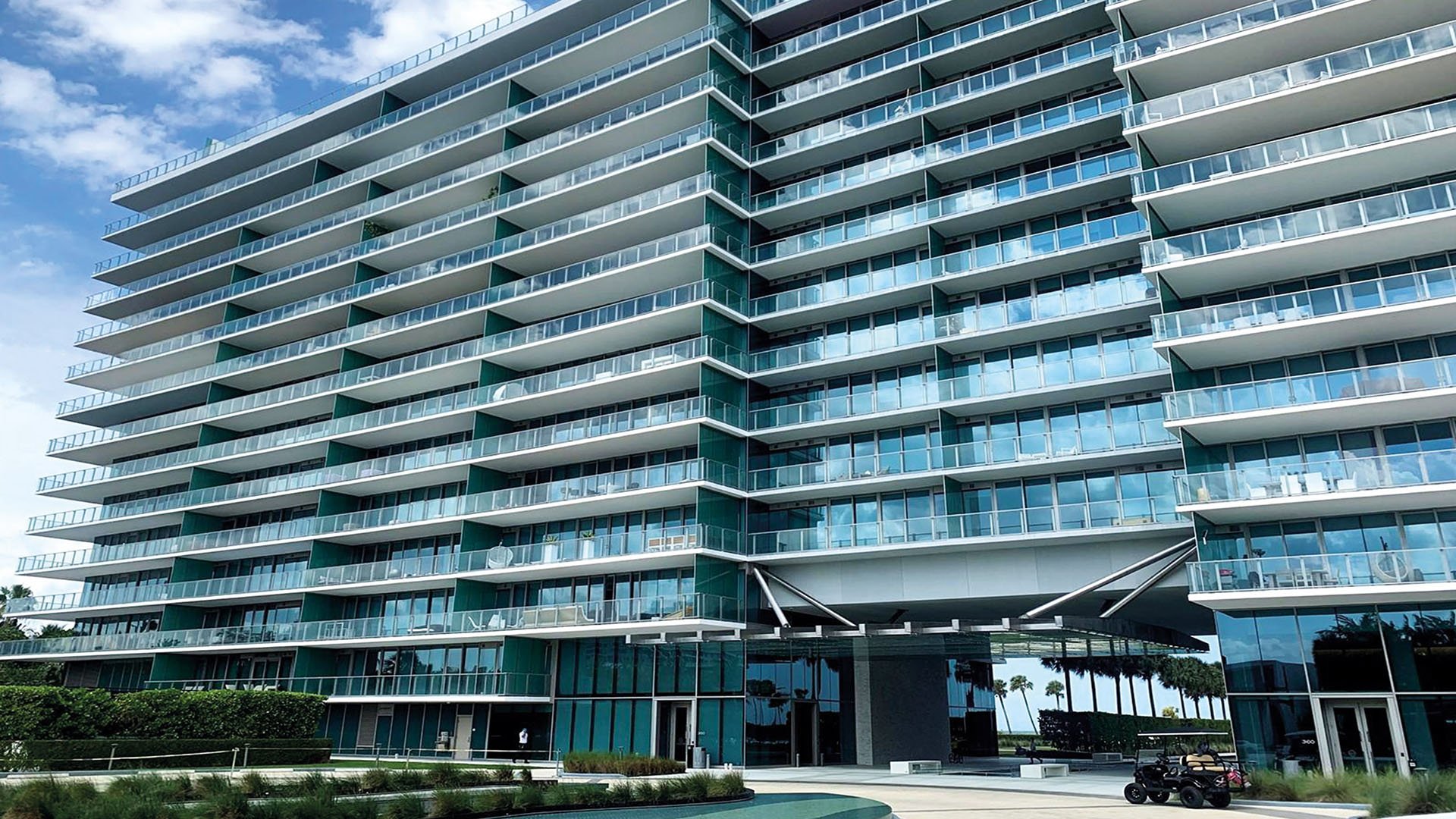
Key Biscayne can be assessed as a South Florida second-home option for buyers seeking a quieter residential experience alongside access to Miami. The most useful analysis is practical: how easily can an owner arrive, settle in, manage the residence from abroad and leave it between visits?
Privacy and service should be evaluated at the individual property level. Entry procedures, guest handling, deliveries, parking, staffing and owner support can differ, so buyers should confirm exactly what a residence provides rather than relying on broad labels.
Privacy is not defined by location alone. A prospective owner should examine sightlines, arrival areas, shared spaces, elevator access, staff protocols and the handling of visitors and vendors.
Oceana Key Biscayne can form part of a focused local tour, but any comparison should concentrate on the specific residence, its management structure and the owner's preferred level of interaction. The goal is to understand how privacy works in ordinary use, not simply how it is presented.
For an overseas owner, residential service can be part of the property's operating framework. The relevant questions include who receives the owner, how issues are reported, what assistance is available during an absence and which responsibilities remain with the owner.
Buyers should request clear information about staffing, maintenance procedures, association responsibilities, insurance requirements and access arrangements. A well-presented amenity program is not a substitute for understanding the scope, availability and cost of each service.
A comparative tour can clarify whether Key Biscayne offers the right balance of separation and connection. Una Residences Brickell provides an urban comparison, while Vita at Grove Isle offers another perspective on island-oriented ownership.
The value of this exercise lies in observing the full arrival sequence and daily routine. Buyers can compare access, building circulation, service style, outdoor space and the practical experience of leaving a residence unattended.
A second home should support the way its owner expects to spend time in South Florida. Buyers may wish to consider access to the water, outdoor routines, dining, wellness and social life, but availability and terms should be verified directly with the relevant property or provider.
For a different privacy and service comparison, The Residences at Six Fisher Island can broaden the itinerary. Comparing distinct settings helps reveal whether the buyer prefers a more residential environment, a more urban base or a highly managed enclave.
No-frictions ownership depends on details established before closing. Buyers should review governance documents, financial materials, assessments, insurance, maintenance obligations, rental provisions, renovation rules, security procedures and emergency planning with qualified advisers.
Residence-specific questions matter equally. Confirm how the home is prepared before arrival, monitored during an absence and secured after departure. Buyers should also test their expected travel routine rather than assuming that a map alone reflects the experience.
The strongest purchase decision connects lifestyle preference with operational clarity. For London-based buyers, that means choosing not only an appealing South Florida residence, but also a management structure suited to long-distance ownership.
Why might a London buyer consider Key Biscayne? It can be evaluated for its balance of privacy, residential service and access to the wider Miami area.
What does low-friction ownership mean in practice? It means understanding how arrivals, absences, maintenance, access and owner requests are managed.
Does location alone guarantee privacy? No. Privacy also depends on the residence, building layout, staffing and access procedures.
Which services should an overseas buyer review? Review entry management, owner support, parking, maintenance coordination, deliveries and absence protocols.
Why is a comparative property tour useful? It helps buyers compare service styles, arrival experiences, shared spaces and the balance between seclusion and convenience.
What documents deserve close review? Buyers should examine governance, financial, insurance, assessment, maintenance and use-related materials with qualified advisers.
Should travel routines be tested before purchasing? Yes. Buyers should test the journeys and arrival times that are likely to shape their actual use of the home.
How should amenities be assessed? Confirm their availability, rules, costs and operating arrangements rather than relying only on marketing descriptions.
What should be checked for extended absences? Confirm monitoring, maintenance, emergency access, security and residence-preparation procedures.
What is the central decision for a second-home buyer? The buyer should determine whether the residence and its operating structure match the desired lifestyle and level of oversight.
For a discreet conversation and a curated building-by-building shortlist, connect with MILLION.
If branded residences are on your mind — as a home or as an allocation — we would be glad to share what we are seeing, privately.
Begin a quiet conversation