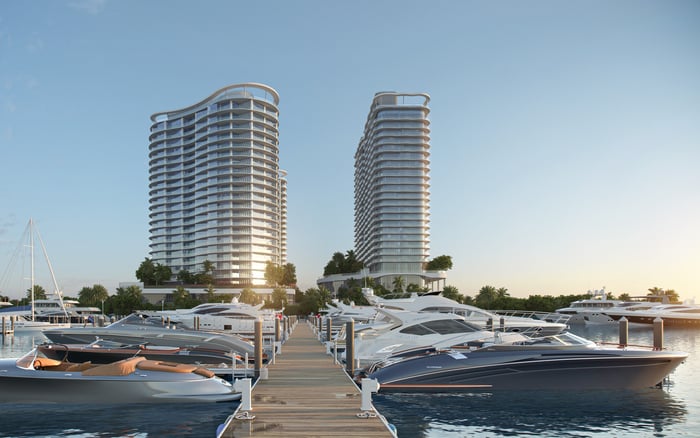
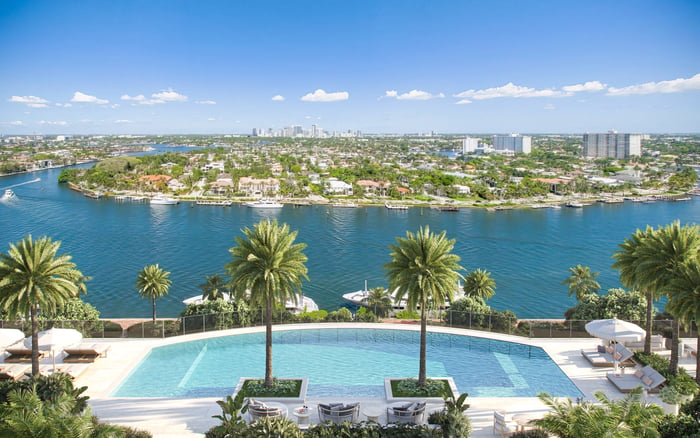
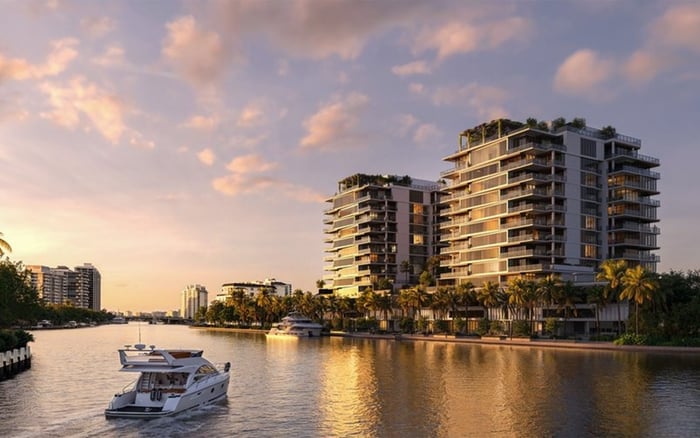
Fort Lauderdale can be a compelling pied-à-terre market for trophy buyers when the residence is supported by disciplined operations, privacy, service, and low-friction ownership.
For the trophy buyer, a Fort Lauderdale pied-à-terre is rarely about needing another place to sleep. It is about creating a private, reliable, beautifully run base in South Florida-one that can absorb a demanding life without becoming another obligation. The residence must feel effortless after a late arrival, presentable before a spontaneous dinner, and protected through long absences. That standard is not achieved by square footage alone. It depends on the building’s daily discipline.
Fort Lauderdale can work because it offers a more composed alternative to certain higher-friction enclaves while still speaking the same luxury language: waterfront living, refined service, privacy, and proximity to the broader South Florida circuit. But the purchase succeeds only if the building can perform like an extension of the owner’s staff. A pied-à-terre fails when the owner becomes the operator. It succeeds when the building anticipates what is needed before the owner lands.
This is why projects such as Four Seasons Hotel & Private Residences Fort Lauderdale are often evaluated not only through design, but through the promise of service continuity. The most valuable amenity is not always the most photographed one. It may be how keys are handled, how vendors are screened, how a car is readied, or how a home feels awake after weeks of silence.
In the ultra-premium tier, operations means the choreography behind ownership. It includes reception, security, maintenance, housekeeping coordination, package handling, valet, guest protocols, reservation support, and the quiet enforcement of community standards. It also includes board culture, management responsiveness, staff tenure, and how decisions are made when something goes wrong.
A trophy pied-à-terre needs a building that understands intermittent occupancy. The owner may be in residence for a long weekend, a winter sequence, or a sudden midweek visit. The unit must not feel dormant. Air conditioning, water systems, terrace condition, linens, provisioning, and vendor access all matter. A well-run building reduces the need for improvisation.
This is especially important in Broward, where buyers may be comparing Fort Lauderdale against Miami Beach, Palm Beach, or Sunny Isles. The winning argument is not simply that Fort Lauderdale is calmer or more convenient. It is that the right building can deliver a frictionless lifestyle while preserving the owner’s time, discretion, and sense of control.
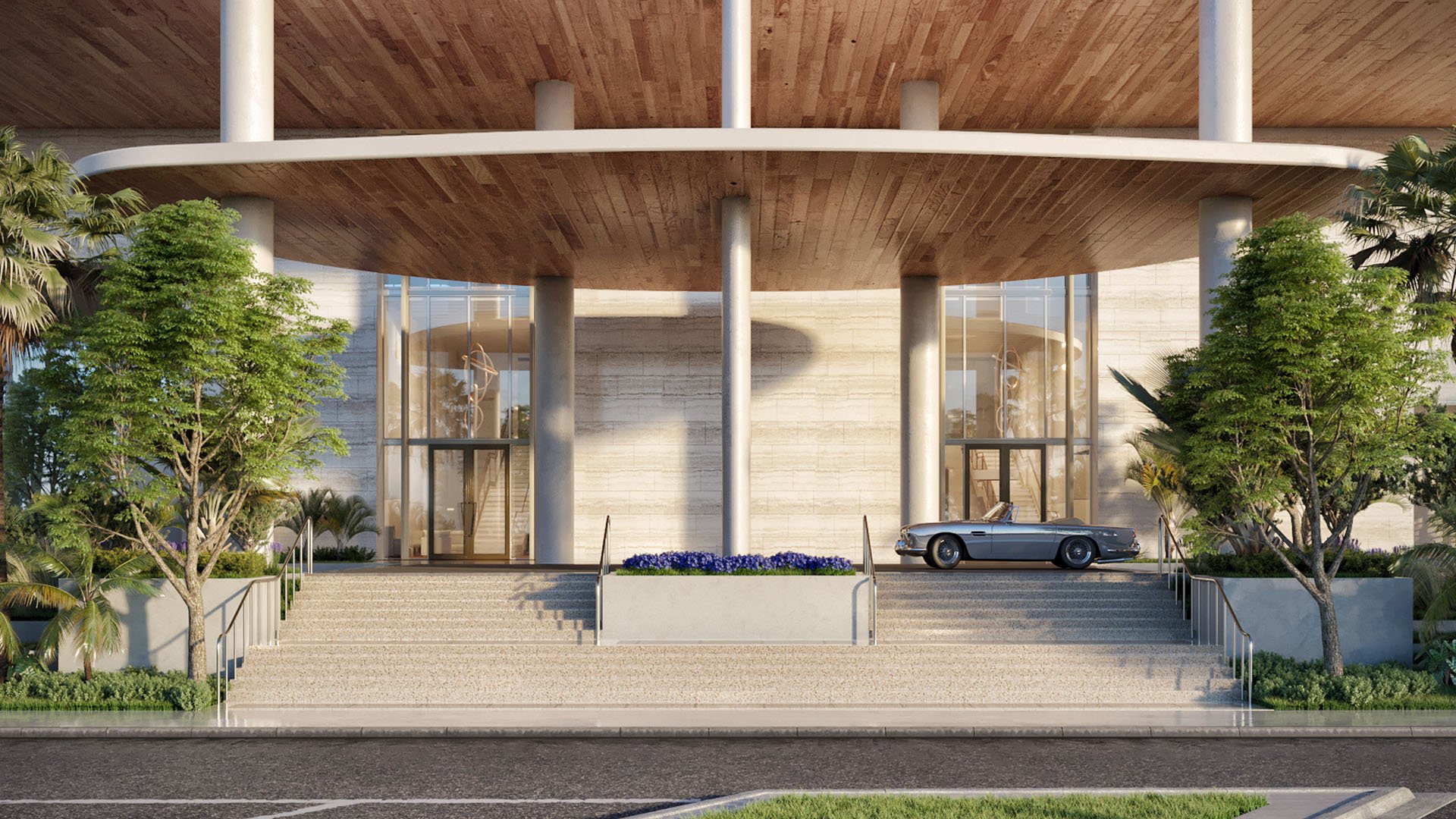
A trophy residence reveals its quality before the front door opens. The owner’s arrival sequence should be considered as carefully as the primary bedroom or terrace. How does the building manage a known arrival? Is valet intuitive? Is the lobby staffed with appropriate discretion? Are guests recognized without overfamiliarity? Can luggage, groceries, flowers, and private vendors be coordinated without repeated calls?
For buyers considering St. Regis® Residences Bahia Mar Fort Lauderdale, the relevant question is not only what the property looks like, but how its service promise translates into ordinary Tuesday moments. Trophy ownership is won or lost in the details no brochure can fully capture: response time, discretion, accountability, and consistency.
A second-home buyer should spend as much time understanding operational protocols as touring amenity spaces. That means asking how the building prepares residences for returning owners, how it handles recurring private staff, and how it protects the privacy of residents who may have public profiles. The best buildings are not theatrical. They are precise.
Fort Lauderdale’s appeal to the pied-à-terre buyer strengthens when privacy is treated as an operating principle rather than a marketing adjective. Privacy is not only about elevator access or floor count. It is about staff training, guest flow, service corridors, amenity etiquette, and the building’s willingness to maintain standards even when doing so is inconvenient.
Governance also deserves scrutiny. A trophy unit in a poorly governed building can become a burden. Buyers should understand how capital planning is handled, how reserves are discussed, how rules are enforced, and whether the building’s leadership views service as a permanent obligation or a launch-period flourish. The polish of a new lobby matters less than the seriousness of the operating culture behind it.
This is where a quieter waterfront residence such as Riva Residenze Fort Lauderdale may enter a sophisticated buyer’s conversation. The question is not whether one property is universally superior. It is whether the building’s scale, staffing model, and resident culture match the buyer’s desired level of privacy and ease.
In trophy real estate, amenities still matter. A pool, fitness environment, spa, lounge, beach access, and a strong marina context can shape daily life. Yet for a true pied-à-terre, the highest amenity may be readiness. The residence should be ready for use without a week of preparation. The building should support the owner’s routines without requiring the owner to manage every detail remotely.
That includes systems for preventive maintenance, access control, preferred vendors, package storage, and communication. A beautiful building that cannot coordinate simple requests will disappoint the buyer who expects a residence to perform like a private retreat. Conversely, a more discreet building with excellent operations can feel more luxurious than a louder address with uneven execution.
Buyers evaluating The Ritz-Carlton Residences® Fort Lauderdale should therefore focus on the lived reality of ownership. The brand or architecture may open the conversation, but the daily operating rhythm determines whether the home becomes a pleasure or a project.
Investment, in this context, should not be reduced to a simple expectation of appreciation. For a trophy pied-à-terre buyer, the asset has to preserve something more valuable than capital: time. A residence that is always ready, always secure, and always graceful can justify itself through the quality of life it protects.
The best Fort Lauderdale purchase is often the one that minimizes hidden friction. Hidden friction includes an overcomplicated rental policy, inconsistent staffing, difficult guest procedures, weak vendor access, deferred maintenance, or a resident culture that does not align with the buyer’s expectations. These issues rarely appear in beauty shots, but they shape the owner’s experience every time the home is used.
Fort Lauderdale’s strongest case emerges when a buyer can pair the emotional appeal of waterfront South Florida with operational certainty. For some, that may mean a service-led resort residence. For others, it may mean a boutique address with a calmer cadence. For buyers considering Sixth & Rio Fort Lauderdale, the same principle applies: the right fit depends on how the building supports the intended pattern of use.
Before committing, a trophy buyer should ask practical questions. Who is responsible for residence checks during absences? How are emergencies escalated? Can the building coordinate recurring vendors? What are the rules for guests, drivers, deliveries, and private staff? How does management communicate with owners who are not in residence? What is the culture around discretion?
The buyer should also experience the building at different times if possible. A weekday afternoon, a weekend evening, and a morning arrival can reveal different truths. The tone of the lobby, the confidence of the staff, and the ease of movement all matter. Luxury is not merely what is offered. It is what happens reliably.
When the building operations are right, Fort Lauderdale can be a compelling trophy pied-à-terre market. It offers the possibility of South Florida elegance with a more personally calibrated rhythm. But the decision should remain disciplined. Buy the view, the plan, and the address only after you understand the operating machine that will protect them.
What makes Fort Lauderdale viable for a trophy pied-à-terre? It works when the building offers privacy, service discipline, and low-friction ownership for buyers who are not always in residence.
Should operations matter as much as design? Yes. For an intermittent-use home, operational reliability can be as important as architecture, finishes, or views.
What should a second-home buyer ask first? Ask how the building prepares residences for owner arrivals, monitors units during absences, and manages private vendors.
Is beach access enough to justify a purchase? No. Beach access can be valuable, but it should be supported by staffing, maintenance, privacy, and strong day-to-day management.
Does a marina setting change the buyer profile? It can. A marina context may appeal to owners who want waterfront routines, but operations still determine ease of ownership.
How should buyers think about investment value? Investment value should include lifestyle preservation, not only potential resale. Time saved is part of the return.
Are branded residences automatically better operated? Not automatically. Buyers should evaluate the actual service model, staffing standards, and management culture.
Why is governance important in a luxury building? Governance affects rules, reserves, maintenance, privacy, and the long-term quality of the resident experience.
Can a boutique building work for a trophy buyer? Yes, if its scale, staff, privacy, and culture match the buyer’s expectations for discretion and readiness.
What is the biggest mistake in this category? The biggest mistake is buying the image of ease without verifying the systems that make ease possible.
For a confidential assessment and a building-by-building shortlist, connect with MILLION.
If branded residences are on your mind — as a home or as an allocation — we would be glad to share what we are seeing, privately.
Begin a quiet conversation