Two distinct branded-residence propositions call for the same disciplined exit review: written purchaser-approval rules, clearly separated transfer costs, and evidence of the future market for each home.

A beautifully serviced residence can answer the lifestyle question immediately. The ownership question takes longer: who could buy it from you, what approvals would that purchaser need, and what would the transaction cost? For buyers weighing Banyan Tree in West Palm Beach against The Ritz-Carlton in Sunny Isles Beach, these questions belong beside the floor plan and service offering-not at the end of negotiations.
The distinction is not which brand feels more prestigious. It is whether the home's documents, carrying costs and market evidence support your intended holding period. Brand recognition offers a positioning advantage, not a guarantee of price resilience or an uncomplicated resale.
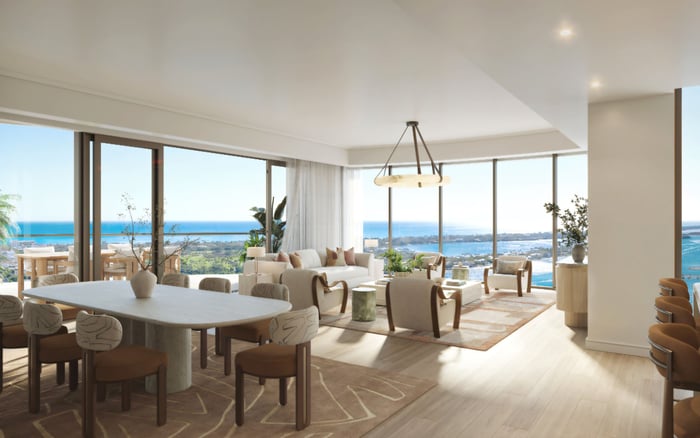
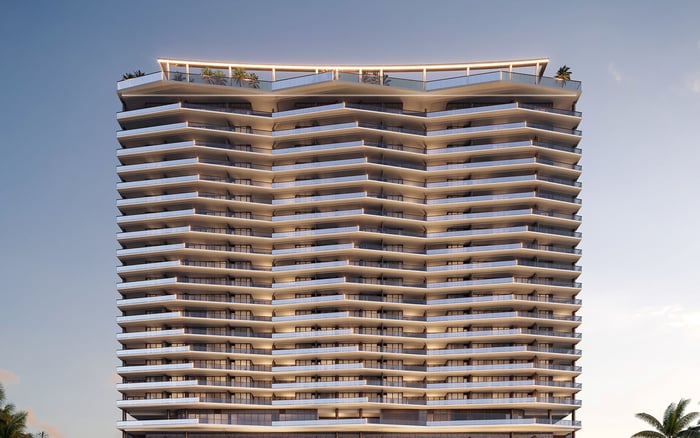
Banyan Tree Residences West Palm Beach is a planned pre-construction condominium at 400 Hibiscus Street, with 88 one- to four-bedroom corner residences. Its setting emphasizes access to CityPlace, Palm Beach Island, Worth Avenue and the Intracoastal Waterway. This is a downtown proposition, not an oceanfront one.
That boutique scale establishes the planned number of homes, not the depth of future demand. Fewer residences may mean fewer comparable transactions, giving a future seller less pricing evidence. That does not establish weak liquidity. The projected build year is 2029; buyers should not treat that date as a guaranteed delivery commitment.
The Ritz-Carlton Residences® Sunny Isles is an existing oceanfront condominium with amenities that include concierge services, pools, food and beverage, and beach service. Oceanfront service and downtown convenience are distinct lifestyle propositions; the two properties should not be treated as interchangeable resale comparables.
An existing building calls for a different diligence request: current operating documents and relevant closed transactions. For pre-construction, distinguish contractual commitments from projections, then consider how ownership costs and market competition might evolve before your eventual sale.
Neither a familiar hospitality name nor a desirable address tells you whether purchaser approval is required. The governing documents should establish any association approval rights and transfer procedures. Do not assume either building requires an interview, imposes a particular approval deadline, or holds a right of first refusal without written confirmation.
Request the declaration, association articles, bylaws, amendments and current resale application materials. Have condominium counsel identify whether approval is required, who exercises it, what constitutes a complete submission, and which deadlines govern the process. If a right of first refusal exists, clarify how it operates and what documentation is needed for closing.
Approval uncertainty can complicate an otherwise attractive offer. A financially qualified purchaser may still be unable to meet a closing timetable if the parties misunderstand submission requirements. The objective is to align the purchase contract, application process and closing schedule, including an appropriate approval contingency where counsel recommends one.
Developer purchases and subsequent owner resales have distinct disclosure requirements. An original developer contract is not the rulebook for a later sale. Likewise, ask counsel to distinguish pre-closing contract assignment provisions from the rules governing a resale after ownership begins.
There is no basis here for assigning either property a specific application, transfer or move-in charge. Obtain the current written schedule and have counsel confirm each charge's authorization and applicable legal limits. A single estimate labeled “transfer costs” is not precise enough.
Keep four categories separate: application charges, ownership-transfer charges, move-in charges and refundable deposits. Ask who pays each amount, what triggers payment, whether it applies to your transaction, and under what conditions a deposit is refundable. A refundable deposit affects the cash needed at closing or move-in differently from a nonrefundable charge.
Apply the same discipline if your West Palm Beach search also includes Mr. C Residences West Palm Beach. Compare written terms property by property rather than importing assumptions from another branded address. Similar positioning does not establish identical transfer rules, costs or purchaser qualifications.
A prospective purchaser evaluates more than the asking price. Recurring expenses may narrow affordability even among buyers who value extensive service. That calls for careful cost modeling; it is not evidence that either building will experience poor resale performance.
At Banyan Tree, residence 2403 is offered with 2,962 square feet and prospective monthly maintenance/common charges of $6,368. This is a unit-specific figure, not a building-wide fee schedule or a promise of future expenses. Confirm what it includes and review the applicable budget assumptions.
For The Ritz-Carlton in Sunny Isles Beach, monthly association-charge figures span approximately $2,188 to $6,200. This range requires residence-specific verification and should not be treated as an association-certified schedule. It is not directly comparable with Banyan Tree's single-residence figure.
Request the current or proposed budget, as appropriate, and clarify service inclusions, exclusions, reserves and assessments. For qualifying buildings, Florida's condominium framework includes milestone inspections and structural integrity reserve studies. Ask counsel which requirements apply, and review relevant inspection and reserve information before assessing long-term carrying costs.
The useful question is how many purchasers could accept the residence's price, recurring costs, use restrictions and closing requirements. A defensible comparison requires relevant closed resales, marketing times, sale-to-list relationships and competing inventory. Neither boutique scale nor an established oceanfront setting substitutes for those measures.
Ask your adviser to separate closed transactions from asking prices and account for differences in size, condition, outlook and service costs. If Bentley Residences Sunny Isles also appears on your shortlist, use it to broaden your questions about alternatives-not as automatic evidence of either subject property's resale prospects.
Review written rental restrictions, investor-ownership restrictions and rules for sales with tenants in possession. These terms may affect which purchasers can use the home as intended. Do not build an exit strategy around rental flexibility or early-owner influence over future rules without documentary support.
Before committing, assemble three essentials: a documented approval pathway, an itemized transaction-cost schedule and a residence-specific carrying-cost analysis. Pair them with relevant market evidence and a realistic holding period. Where a rule or cost remains unresolved, seek written clarification rather than turning an assumption into a forecast.
The stronger purchase is not necessarily the one with fewer services or lower fees. It is the one whose lifestyle value remains compelling once its ownership obligations and potential resale friction are understood.
For a discreet discussion of South Florida residences and the questions that should shape your shortlist, connect with MILLION.
If branded residences are on your mind — as a home or as an allocation — we would be glad to share what we are seeing, privately.
Begin a quiet conversationIt is a planned pre-construction condominium at 400 Hibiscus Street with 88 one- to four-bedroom corner residences.
The projected build year is 2029, not a guaranteed delivery date. Buyers should review contractual timing provisions rather than treat that projection as a delivery guarantee.
It is an existing oceanfront condominium, while Banyan Tree offers a downtown West Palm Beach setting. Their different lifestyle propositions should inform, rather than replace, residence-specific resale analysis.
Neither building's specific purchaser-approval or interview requirements are established here. Confirm the applicable procedures through governing documents and current application materials.
Do not assume either association has that right. Counsel should review the governing documents and explain any applicable procedure and closing documentation.
Obtain each property's current written schedule rather than assuming a fee amount. Separate application, ownership-transfer and move-in charges from refundable deposits, and confirm authorization and applicable legal limits.
No; it is a prospective maintenance/common-charge figure for residence 2403, a 2,962-square-foot home. Verify the amount and inclusions against the applicable budget.
The approximately $2,188 to $6,200 range should not be treated as an association-certified schedule. Verify the exact residence's current charges and inclusions.
No; a smaller building may produce fewer comparable transactions, but that alone does not establish weak demand or poor resale performance.
Review relevant closed resales, marketing times, sale-to-list relationships and competing inventory alongside carrying costs. Written rental and ownership restrictions also help clarify which purchasers could use the residence as intended.