A discreet look at why boutique residential buildings can resonate with privacy-focused South Florida buyers who still expect elevated service, thoughtful amenities, and polished daily operations.
In South Florida’s high-service residential market, privacy is no longer a quiet afterthought. For many affluent buyers, it now sits alongside architecture, views, wellness, and location as a defining measure of value. A polished lobby matters, but a controlled arrival may matter more. A generous amenity deck is desirable, but a space that feels composed rather than crowded can be the greater luxury.
Boutique buildings appeal because they can offer a different rhythm of ownership. The experience is often less about spectacle and more about discretion: fewer daily encounters, more predictable circulation, and a stronger sense that the building understands who belongs there. For buyers who divide time among homes, travel frequently, host selectively, or simply prefer a quieter residential atmosphere, that can be a compelling proposition.
The distinction is not only about unit count. Boutique is a mindset. It asks whether the building’s design, staffing, amenity programming, and access points support a private life. In a market where service expectations are high, that combination can be especially powerful.
Scale changes the way a building lives. In a large tower, the resident experience may include more extensive amenities, larger teams, and a broader social ecosystem. In a boutique environment, the advantage can be intimacy. Fewer people may be using the same elevators, corridors, valet lanes, wellness rooms, and lounge spaces at the same time.
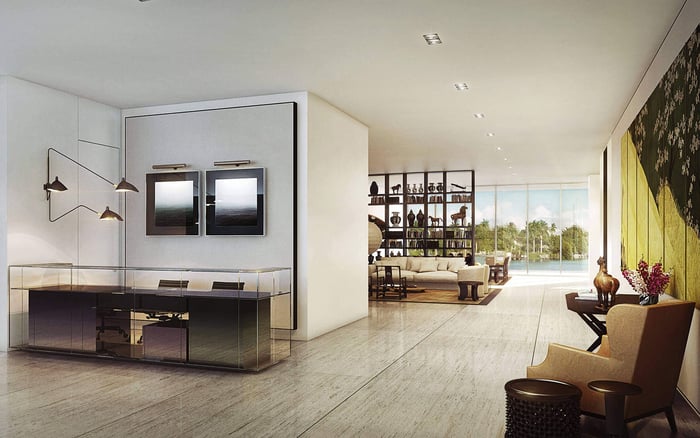
For privacy-focused buyers, this matters because luxury is often felt in the absence of friction. A calm elevator ride, a lobby that does not resemble a hotel check-in, and a pool area where one can settle without being observed by a crowd all contribute to the emotional value of the home. The best small-scale residences do not merely reduce density. They refine the daily transitions between public and private life.
This is why buyers often evaluate boutique buildings differently from trophy towers. The question is not whether the amenity list is the longest. It is whether the amenity experience feels usable, serene, and reserved. A building can offer fewer amenities and still feel more luxurious when those amenities are designed and operated with precision.
Privacy-minded buyers are not rejecting service. They are often seeking better service, delivered with less theater. In this context, the ideal staff presence is attentive but not intrusive. Residents want the car ready without a scene, packages handled without confusion, guests welcomed without unnecessary exposure, and maintenance coordinated without disrupting the home.
This is where boutique buildings can be particularly persuasive. A smaller residential community may allow staff to learn resident preferences more naturally. The result can feel personal without becoming performative. Service becomes quiet infrastructure, supporting the day rather than announcing itself.
The same principle applies to amenities. A wellness room, club lounge, or private dining space is only as valuable as the way it is scheduled, maintained, and protected from overuse. A privacy-focused buyer should ask how guests are managed, how amenity reservations are handled, and whether the building culture encourages discretion.
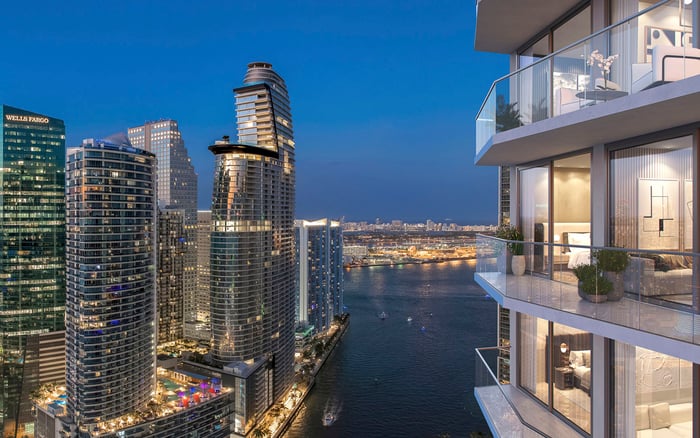
In Brickell, for instance, buyers considering an address such as The Residences at 1428 Brickell may be weighing an urban lifestyle against the need for controlled residential separation. The most successful buildings in dense districts are those that make the city feel accessible while keeping the home experience composed.
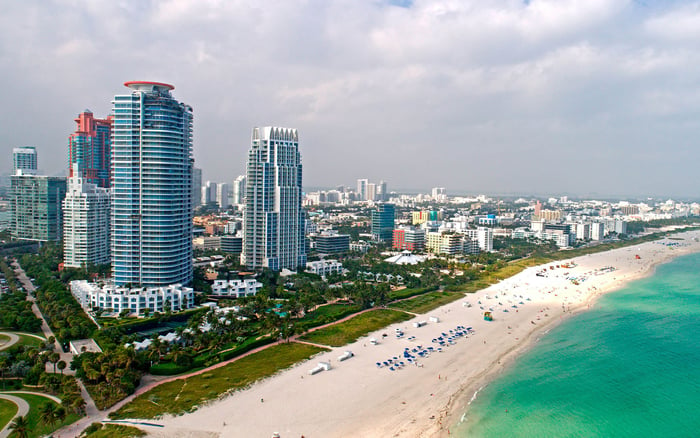
Privacy is shaped by more than architecture. It is also shaped by neighborhood rhythm. Miami Beach, Surfside, Coconut Grove, Brickell, and the bayfront enclaves each offer a distinct version of discretion. Some buyers want an oceanfront setting with a quiet residential cadence. Others prefer a walkable urban address where the building itself becomes the sanctuary.
In Miami Beach, the appeal may center on coastal calm, wellness, and the ability to move between beach, dining, and home with ease. Buyers comparing an option such as The Perigon Miami Beach may be focused on how a beachside setting balances access, atmosphere, and residential calm. The privacy equation here is not isolation. It is balance: proximity to what matters, paired with a residential experience that feels protected.
Surfside offers another version of that balance. It can appeal to buyers who want oceanfront living with a more residential scale than larger resort corridors. Arte Surfside may enter the conversation for buyers comparing Surfside’s quieter cadence with other coastal addresses.
Coconut Grove attracts a different profile: buyers who may prioritize canopy, character, and a softer daily pace. A project such as The Well Coconut Grove can resonate with those who view wellness and privacy as connected ideas. In the Grove, privacy is often less about retreating from the city and more about living within a neighborhood that already feels layered, mature, and residential.
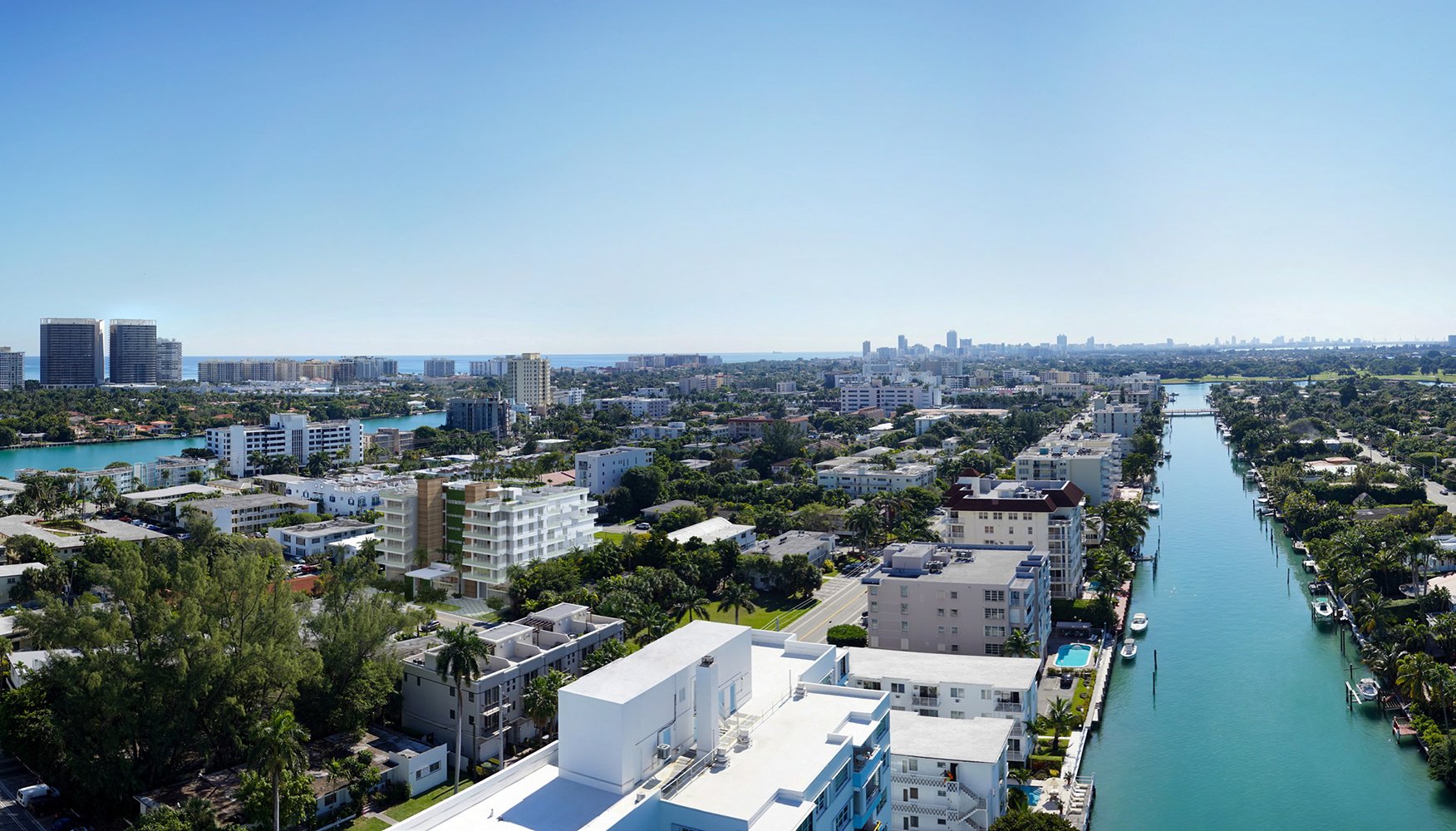
Bay Harbor Islands also continues to draw attention from buyers who want water proximity, village-like calm, and access to surrounding destinations without living in the center of the busiest corridors. Bay Harbor Towers belongs in that conversation for buyers comparing intimate island living with broader Miami-area convenience.
The first inspection point is arrival. A buyer should understand how residents, guests, service providers, deliveries, and valet traffic move through the property. A beautiful entrance can still feel exposed if every function converges in the same place. The more separated and intuitive the arrival sequence, the more private the building may feel in daily use.
Elevators deserve equal attention. Private or semi-private elevator access can reduce casual encounters, but the details matter: how guests are sent up, how service staff circulate, and whether amenity access creates crossover traffic. Hallway design is also important. Shorter corridors and fewer doorways can make a residence feel more like a private home than a hotel floor.
Amenity scale should be evaluated through use, not brochure language. A buyer should ask when spaces are busiest, how often residents reserve private rooms, and whether guests can access key areas. The most elegant amenity is one that remains available when the owner actually wants to use it.
Finally, privacy-focused buyers should consider governance and culture. Rules around rentals, events, guests, pets, deliveries, and service access all affect the residential atmosphere. Waterfront properties may offer extraordinary views, but if the building culture feels transient or overly public, the experience may not align with a buyer’s expectations. Conversely, a thoughtfully governed boutique building can feel calm even in a highly desirable location.
The larger point is simple: privacy is not a single feature. It is the cumulative effect of design, operations, neighborhood context, and resident behavior. In South Florida, where high service is often expected, the most appealing boutique buildings are those that deliver that service with restraint.
Why do privacy-focused buyers often consider boutique buildings? Boutique buildings can offer fewer daily interactions, calmer shared spaces, and a more controlled residential atmosphere.
Does boutique always mean better privacy? Not automatically. Buyers should evaluate access, staffing, elevator design, guest protocols, and building culture.
Can a high-service building still feel discreet? Yes. The best service is often quiet, anticipatory, and organized around resident preferences rather than display.
What should buyers look for in the arrival sequence? Separate flows for residents, guests, valet, deliveries, and service providers can support a more private experience.
Are amenities less important in boutique buildings? No. The key is whether amenities feel available, well managed, and appropriately scaled for the resident population.
How does neighborhood choice affect privacy? Each area has its own rhythm. A quiet coastal setting, an island enclave, or a walkable urban district can all work if the building is designed well.
Is Brickell suitable for privacy-minded buyers? It can be, particularly when the building creates a strong separation between the energy of the city and the calm of the residence.
Why do some buyers prefer Surfside or Miami Beach? These areas can combine coastal access with a more composed residential lifestyle, depending on the specific building and location.
How important are building rules? Very important. Policies around guests, rentals, events, and service access can strongly influence the feeling of privacy.
Should buyers prioritize unit size or building scale? Both matter, but building scale often shapes the daily experience beyond the private residence itself.
When you're ready to tour or underwrite the options, connect with MILLION.
If branded residences are on your mind — as a home or as an allocation — we would be glad to share what we are seeing, privately.
Begin a quiet conversation