For Boston households considering Palm Beach Gardens, the decisive question is not simply where to purchase. It is whether residency planning, family routines, privacy preferences, and the right residential format can work together over time.
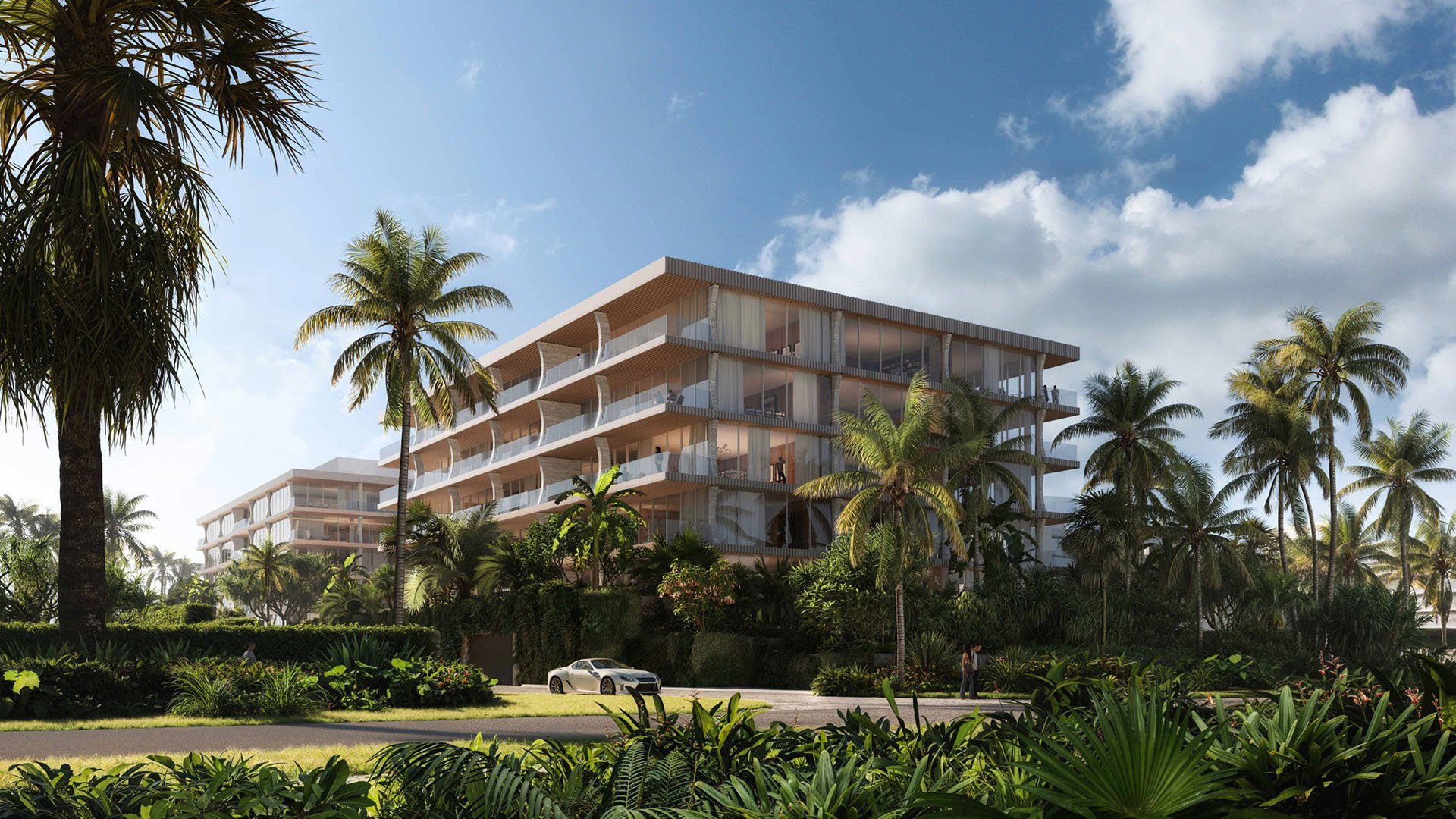
For a Boston household considering Palm Beach Gardens, the essential question extends beyond whether to acquire a warm-weather residence. The more useful inquiry is whether a home can support a carefully documented residency plan, an easy family rhythm, and a level of daily discretion that feels natural rather than managed.
That distinction matters at the premium end of the market. A beautiful property may satisfy an immediate desire for space or water yet remain poorly aligned with school logistics, household staffing, multigenerational visits, work patterns, or the owner’s preferred degree of visibility. Palm Beach Gardens merits evaluation as a lived environment, not merely as an address.
A sensible first reference point is The Ritz-Carlton Residences® Palm Beach Gardens. Buyers should examine it not through brand recognition alone, but through the practical lens that should govern every tour: arrival, circulation, service, guest access, storage, outdoor use, and the boundary between private and shared space.
Tax residency should never be treated as an amenity attached to a Florida purchase. It is a legal and factual matter whose consequences depend on an owner’s complete circumstances. Before selecting a residence, buyers should coordinate with qualified tax and legal counsel, then determine what records, behavior, timing, and personal ties their plan may require.
The real estate brief can then follow that advice. A buyer expecting to spend meaningful time in South Florida may prioritize a true primary-home layout, appropriate work areas, generous wardrobe capacity, secure document storage, and rooms that accommodate family without making the home feel transient. Someone maintaining substantial connections elsewhere may require a different ownership, travel, and household-management structure.
This sequence prevents an expensive category error. The residence should support the plan. It should not be expected to create it.
Family suitability is less about a broad lifestyle label than about repeated weekday movements. Before touring, buyers should map an ordinary week: school departures, activities, medical appointments, grocery runs, fitness, dining, work calls, airport transfers, and visits from grandparents or adult children.
A private-school strategy, if relevant, should be evaluated with admissions professionals and direct drive tests at realistic hours. The same rigor applies to childcare, household help, pet care, and extracurricular commitments. Families often gain more clarity from rehearsing two ordinary days than from completing ten polished property tours.
The home itself should be tested by generation. Young children may change the importance of stairs, pools, terraces, and bedroom placement. Teenagers may need autonomy without complete separation. Grandparents may value simple circulation and a private guest suite. These are design questions, but they are also questions of family harmony.
Privacy is not synonymous with isolation. For some owners, it means controlled vehicle arrival and discreet guest handling. For others, it means separation between entertaining rooms and family quarters, limited visual exposure from neighboring properties, or service circulation that does not interrupt the household.
A gated community may answer part of that brief, but the gate is only the first threshold. Buyers should inspect sightlines, elevator and corridor use, visitor protocols, package handling, valet interactions, staff access, camera placement, landscaping, acoustics, and the transition from indoor rooms to terraces or gardens.
Waterfront living introduces another dimension. The view may feel expansive, while the actual exposure of outdoor areas varies by orientation and surrounding development. A serious privacy review should take place at more than one time of day and include both the approach to the property and the experience from its principal rooms.
Palm Beach Gardens should be considered alongside nearby alternatives because different formats solve different needs. In West Palm Beach, Forté on Flagler West Palm Beach and Mr. C Residences West Palm Beach offer useful comparison points for buyers assessing how a more urban residential proposition fits their routines.
Farther south, The Residences at Mandarin Oriental Boca Raton provides another benchmark within the broader Palm Beach County search. The purpose of comparison is not to declare one market universally superior. It is to reveal which combination of home type, shared services, access, privacy, and family convenience best suits the buyer.
Tours should therefore follow one consistent scorecard. Rate each option for primary-bedroom privacy, guest independence, children’s circulation, work-from-home separation, staff functionality, vehicle handling, storage, outdoor exposure, and ease of securing the residence when away. A common framework keeps architecture and presentation from overwhelming practical judgment.
The strongest purchase brief begins with three separate memoranda. The first, prepared with professional advisers, addresses residency and ownership considerations. The second maps the family’s actual weekly schedule. The third defines privacy in observable terms, from arrival and entertaining to household service.
Only then should the household decide between a detached home, a managed residence, or another format. It is also prudent to test seasonal occupancy assumptions, maintenance expectations, insurance questions, financing structure, and future resale considerations with appropriate specialists. The objective is not speed. It is coherence among legal planning, domestic life, and the physical property.
Does buying a Palm Beach Gardens home establish tax residency? A purchase alone should not be treated as establishing residency. Buyers should obtain advice based on their complete legal, tax, and personal circumstances.
When should tax counsel become involved? Counsel should be consulted before ownership structure, timing, or residency assumptions shape the property search.
How should Boston buyers test family convenience? Map a normal week and personally test the routes that matter rather than relying solely on a tour-day impression.
What does daily privacy mean in practical terms? It can include discreet arrival, controlled guest access, protected sightlines, acoustic separation, and thoughtful service circulation.
Is a managed residence automatically more private? Not necessarily. Buyers should examine staffing, shared circulation, visitor procedures, deliveries, and access controls in detail.
Should buyers compare Palm Beach Gardens with Palm Beach? Yes. A comparison can clarify whether the household values a particular residential format, setting, or pattern of daily movement.
How important is a second visit? A return at another time of day can reveal traffic patterns, light, noise, sightlines, and the character of shared spaces.
What should families inspect inside a residence? Focus on bedroom relationships, stairs, outdoor access, work areas, guest independence, storage, and staff functionality.
How should waterfront privacy be assessed? Review views into and out of terraces, gardens, pools, and principal rooms from multiple angles and at different times of day.
What is the best first step? Align professional advice, the family schedule, and a written privacy brief before narrowing the property shortlist.
If you'd like a private walkthrough and a curated shortlist, connect with MILLION.
If branded residences are on your mind — as a home or as an allocation — we would be glad to share what we are seeing, privately.
Begin a quiet conversation