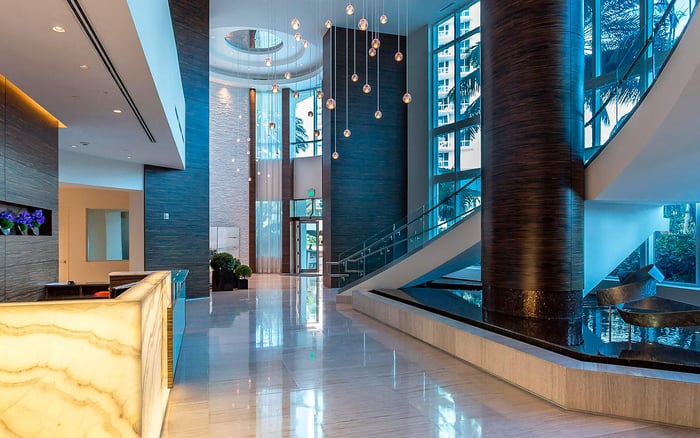
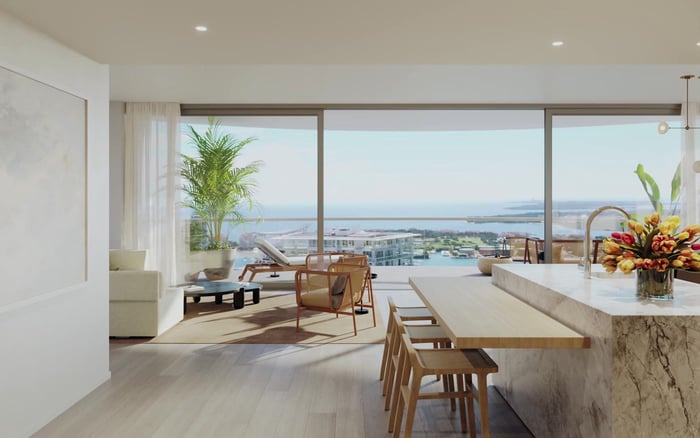
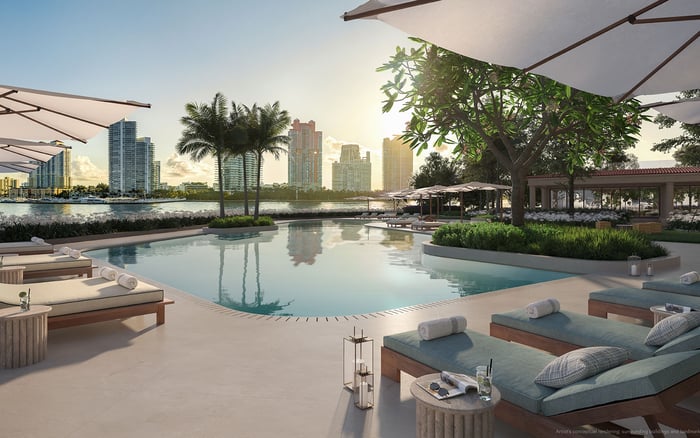
Two Miami Beach residences present distinct versions of service depth: one intimate and wellness-centered, the other connected to a wider hospitality and cultural district.
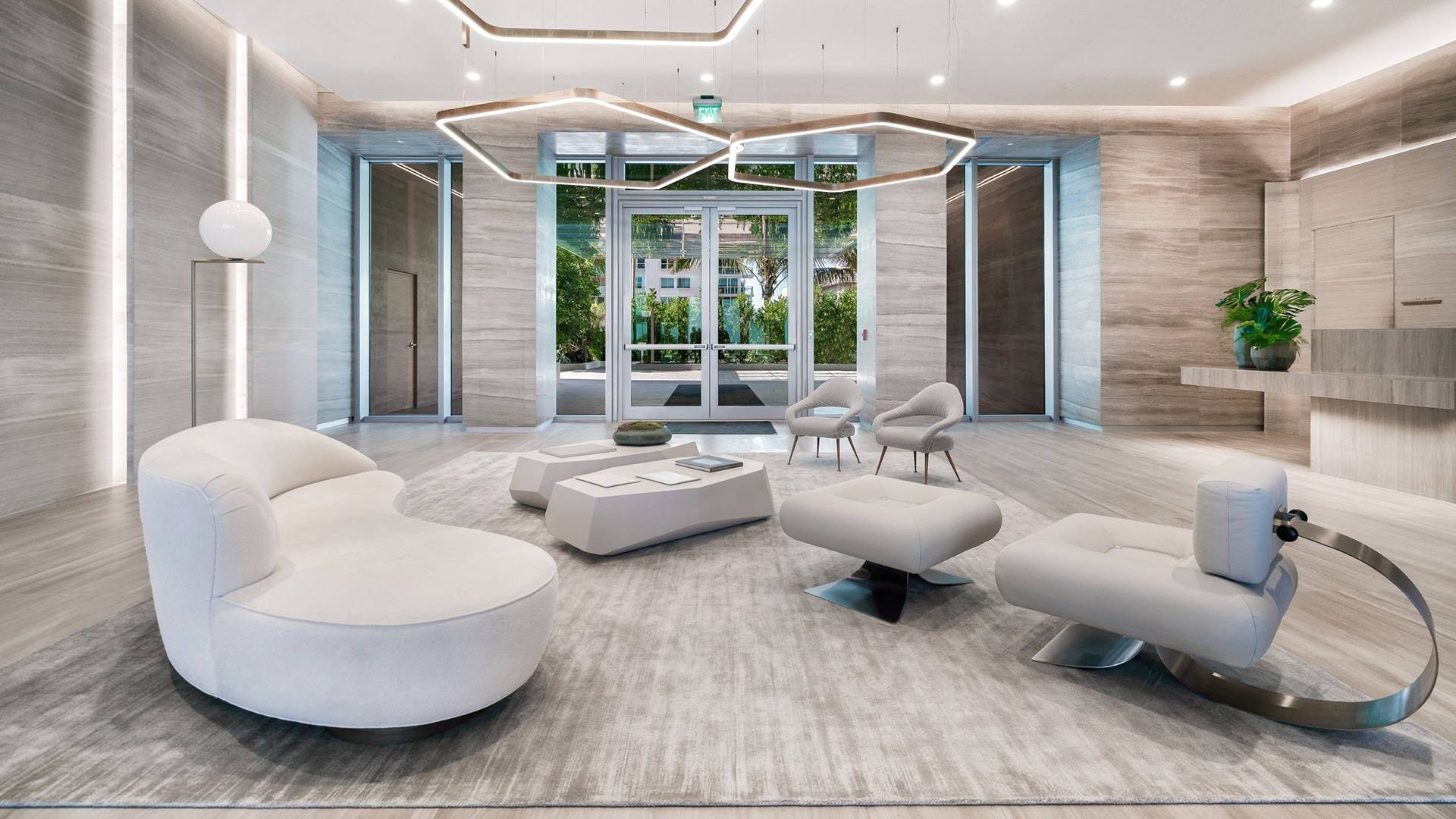
For sophisticated condominium buyers, service depth is not measured by the length of an amenity brochure. It emerges in how consistently a residence anticipates needs, reduces daily friction and preserves privacy. Staff continuity, response protocols, access privileges and the practical operation of shared spaces often matter more than the number of spaces themselves.
That is why 57 Ocean Miami Beach and Faena House Miami Beach merit close comparison. Both occupy the upper reaches of the Miami Beach residential conversation, yet they express service through markedly different structures. One favors boutique residential intimacy centered on wellness and the ocean. The other connects private ownership to a broader hospitality, dining and cultural ecosystem.
The distinction is especially relevant for buyers who divide their time among homes. For them, service is infrastructure. It determines whether an arrival feels seamless, preferences are remembered and the residence remains calm while the owner is away.
57 Ocean is positioned as a boutique oceanfront condominium with a service model designed around residents rather than transient hotel guests. Its emphasis on wellness, privacy and personal familiarity gives the building a deliberately residential character.
Boutique scale can foster closer relationships between residents and staff. In practice, that proposition matters most when the team understands household routines, preferred levels of discretion and the difference between attentive service and interruption. Beach service and concierge support extend this operating philosophy from the residence to the shoreline.
Wellness programming is also central to the lifestyle proposition. Rather than treating wellness as a collection of rooms, the concept connects curated amenities with high-touch, low-friction operations. For a buyer seeking an oceanfront home that feels private first and serviced second, this orientation may be particularly persuasive.
The essential question is not whether services exist, but how they perform on an ordinary Tuesday, during a seasonal peak or before an owner returns after several weeks away.
Faena House takes a broader approach. The residential building sits within the Faena District, where a luxury hotel, cultural venues and multiple food-and-beverage concepts create an ecosystem beyond the tower itself. Its service proposition therefore extends into hospitality, dining, events and cultural programming.
For buyers who value an active social and cultural setting, this district-integrated model can offer a compelling form of depth. Hotel-grade hospitality is positioned to reach beyond the residential building, while curated events give the ownership experience a dimension that a self-contained condominium may not replicate.
This does not make the model inherently better than 57 Ocean. It makes it structurally different. Faena House may appeal to an owner who wants private residential space with a wider world close at hand. The attraction lies in access and variety, not simply in the services housed within the condominium.
Buyers exploring this end of Miami Beach may also place Setai Residences Miami Beach on a comparative tour-not to assume equivalence, but to clarify preferences around privacy, hospitality adjacency and the desired rhythm of ownership.
The most useful comparison is behavioral. At 57 Ocean, service depth is framed through familiarity, wellness and discreet residential support. At Faena House, it is framed through reach into a larger hospitality and cultural environment.
A full-time resident may prefer a team and setting that feel stable, quiet and highly personal. A seasonal owner may prioritize arrival preparation, concierge coordination and confidence while absent. Another buyer may consider dining access, cultural programming and an animated district essential to the value of a second home.
Neither profile can be reduced to a checklist. Buyers should map each property against real routines: morning wellness, time at the beach, entertaining, family visits, dining preferences, privacy expectations and periods when the residence is unoccupied.
The most durable principle is simple: amenities describe possibility; operations determine experience.
Before purchasing, request current details on service entitlements, staffing coverage, fees and any priority access to adjacent hospitality venues. These elements can change, and access should never be inferred solely from proximity or branding.
Ask who operates each amenity, when it is staffed and how reservations are handled. Clarify maintenance-response procedures, after-hours support and the protocol for preparing a residence before arrival. Review what common charges include and what may carry separate fees.
The available property positioning does not establish staffing ratios, association budgets, response-time standards or resident satisfaction. Those points require direct verification. Buyers should also distinguish between a beautifully designed space and a reliably operated service. The latter is where long-term value becomes personal.
57 Ocean and Faena House belong in the same conversation because they present two credible routes to service depth. The former emphasizes intimate residential care, privacy and wellness. The latter draws strength from its connection to a larger hospitality, dining and cultural district.
The right decision depends on whether a buyer wants service to recede quietly into daily life or expand the possibilities surrounding it. In either case, careful due diligence should move beyond visible amenities to the people, protocols, costs and access rights that make the experience function.
What does service depth mean in a luxury condominium? It is the combination of staffing, protocols, access and operational consistency that makes ownership more seamless.
How does 57 Ocean approach service? It emphasizes wellness, privacy and an intimate, residentially focused experience rather than a hotel-style environment.
Why does 57 Ocean's scale matter? Its boutique scale is intended to encourage more personalized relationships between residents and staff.
Which services are central to 57 Ocean's proposition? Wellness programming, beach service and concierge support are presented as connected elements of the residential experience.
How does Faena House define service depth? It draws on the wider Faena District and its hospitality, cultural, dining and event ecosystem.
Is Faena House a hotel residence? It is a luxury residential building, although its proposition includes access to hospitality extending beyond the tower.
Which property may suit a privacy-focused buyer? 57 Ocean's intimate, wellness-centered model may resonate, subject to verification of current operations and staffing.
Which property may suit a culturally engaged buyer? Faena House may appeal to buyers who value curated programming and proximity to a broader district experience.
Should amenity quantity determine the decision? No. Buyers should examine how amenities are staffed, reserved, maintained and operated in practice.
What should buyers verify before purchasing? Confirm current entitlements, staffing coverage, fees, response procedures and any priority access to nearby hospitality venues.
For a confidential assessment and a building-by-building shortlist, connect with MILLION.
If branded residences are on your mind — as a home or as an allocation — we would be glad to share what we are seeing, privately.
Begin a quiet conversation