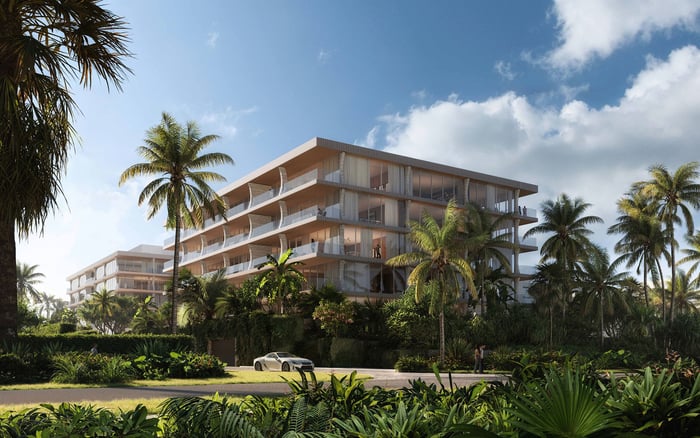
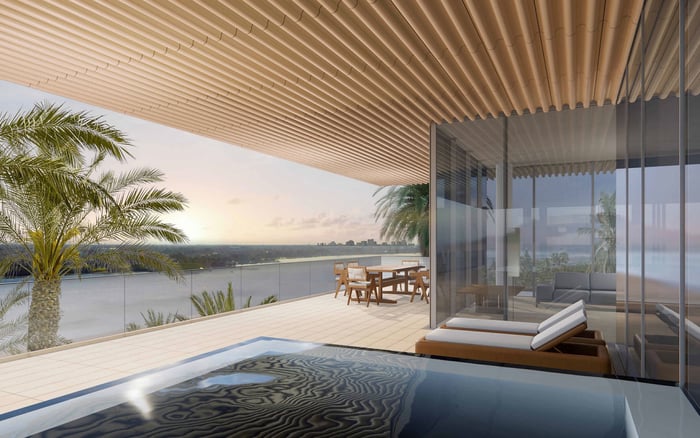
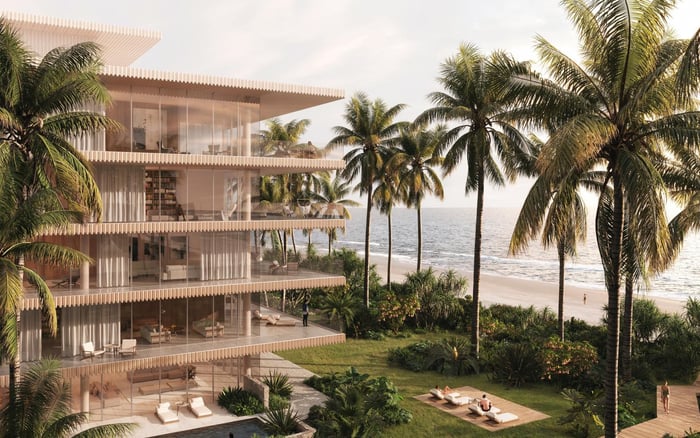
Urban walkability and a private residential enclave offer different forms of convenience. For South Florida buyers, the stronger choice depends on daily destinations, entertaining habits, usable wellness amenities, and clearly defined support during owner absences.
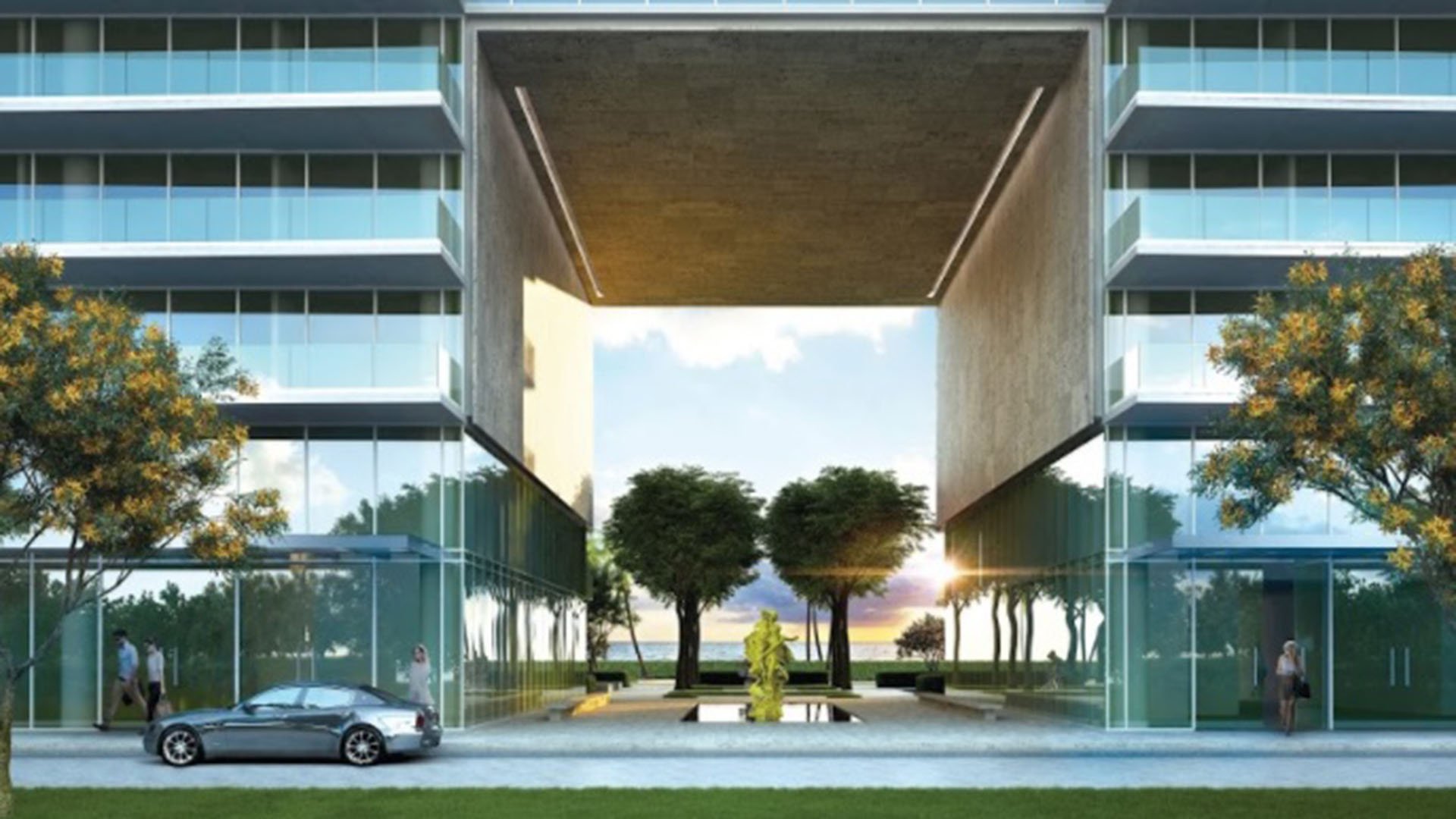
The most consequential distinction between an urban residence and a private enclave is not simply density or discretion. It is where daily life takes place. One buyer wants to step outside and choose among independent restaurants, shops, and fitness destinations. Another wants recreation, dining, and social occasions coordinated within a managed residential setting.
Neither preference establishes a universal hierarchy. A compelling address reduces friction in the routines its owner values most. For South Florida buyers, that means separating four priorities often bundled together in sales language: walkability, entertaining, wellness access, and lock-and-leave convenience. A residence can perform well in one category without resolving the others.
Begin with an ordinary week rather than an exceptional weekend. Consider where you would walk, how you would host, which wellness facilities you would use, and what must happen while you are away. Those answers reveal more than an amenity count.
Urban walkability means access to useful destinations, not merely the opportunity for an attractive stroll. The practical test begins at the entrance you will actually use and ends at a place you expect to visit regularly. Sidewalk continuity, crossings, operating hours, and transportation alternatives all belong in that assessment.
Walkability and an enclave setting need not be opposites, but neither should be inferred from a neighborhood's reputation. Buyers considering Rivage Bal Harbour should evaluate specific routes against their own destinations rather than treating the address as a guarantee of pedestrian convenience.
Apply the same discipline to a Brickell search. When reviewing 2200 Brickell, map the outings that matter rather than assuming the district name establishes everyday convenience. Walk each route at the times you expect to use it, and identify an alternative for days when walking is impractical.
Private walking paths answer a different need. Where offered, they can support a walking routine without necessarily providing pedestrian access to independent neighborhood destinations. Evaluate recreation within the grounds separately from useful connections beyond them.
For entertaining, the meaningful distinction is between choosing venues outside the community and using shared spaces close to home. An owner who enjoys trying different restaurants may prize neighborhood choice. Someone who prefers a familiar setting may place greater value on a reservable gathering room or community dining venue.
When a property advertises gathering rooms, outdoor bars, fire pits, or catering kitchens, assess how each would extend hosting possibilities beyond the residence itself. Their value depends on the rules. Confirm reservations, guest limits, event fees, catering restrictions, and the availability of exclusive use before purchase.
A community-organized social calendar may appeal to buyers who prefer recurring occasions close to home. Ask for the current schedule and participation terms rather than assuming an advertised social program matches your interests or availability.
For a Boca Raton buyer considering Alina Residences Boca Raton, the comparison should remain property-specific. Ask how a typical dinner or larger gathering would work at each property under consideration. Do not assume one community's hosting arrangements apply to another address.
A wellness offering matters most when it supports habits, not simply when it impresses on a tour. If a South Florida property markets pools, fitness centers, sports courts, studios, or recovery facilities, evaluate each against your actual routine. Its presence in marketing does not establish operational readiness or ownership access.
Distinguish the physical facility from the right to use it. Confirm whether membership is included, which charges are separate, whether guests are eligible, and when planned spaces will open. Then examine scheduling: an appealing facility has limited personal value if its hours or programming do not suit your routine.
For a Fort Lauderdale search, apply the same distinction between proposed facilities and usable services. Ask which amenities are operational and request written clarification of any membership benefit, including its duration and renewal terms.
Buyers considering South Flagler House West Palm Beach should likewise translate any wellness or service presentation into specific commitments: what will be available, to whom, and on what terms. Compare those answers with the same requirements used elsewhere in the search.
Lock-and-leave convenience is an operating arrangement, not an architectural style. A staffed entrance may control community access, while association oversight may maintain shared surroundings. Neither confirms that someone will inspect the private residence or prepare it for an approaching storm.
For a gated community or managed condominium, ask which responsibilities belong to the association and which remain with the owner. Maintenance of landscaping, roads, and common areas should be evaluated separately from care inside the residence.
Obtain written confirmation of arrangements for residence inspections, storm preparation, package handling, and private-unit maintenance. Identify who performs each task, whether it is included or separately arranged, and how the owner receives confirmation. Ask who can authorize access when work is required while you are away.
This distinction guards against a subtle purchasing error: paying for the impression of effortless ownership without establishing the services that make it possible.
A fair comparison puts the same practical questions to each candidate. For walkability, identify everyday destinations and test the routes. For entertaining, describe an actual gathering and request the applicable rules. For wellness, verify operational status, access rights, and costs. For absences, document the division between community oversight and care inside the residence.
Then weight the answers. A frequent traveler may regard reliable private-unit oversight as essential and neighborhood variety as secondary. A full-time resident who enjoys spontaneous evenings out may reverse those priorities. A buyer seeking both can evaluate an enclave within a walkable setting, while checking each benefit independently.
The strongest choice is not the address with the longest list of features. It is the residence whose surroundings, access arrangements, and services fit the life its owner intends to lead.
For a considered approach to South Florida residences aligned with your daily priorities, explore MILLION.
If branded residences are on your mind — as a home or as an allocation — we would be glad to share what we are seeing, privately.
Begin a quiet conversationNo. Walkability emphasizes access to independent destinations, while an enclave may concentrate recreation and social life within a managed setting.
Yes, the two qualities need not be opposites. Evaluate routes from the specific residence rather than assuming either quality from a neighborhood's reputation.
Walk from the specific residential entrance to destinations you expect to use. Check sidewalks, crossings, operating hours, and alternatives when walking is impractical.
Not necessarily. Private paths can support a walking routine without connecting residents to independent shops, restaurants, or other everyday destinations.
Verify reservations, guest limits, event fees, catering restrictions, and availability for exclusive use. An advertised gathering space does not establish unrestricted hosting rights.
Request the current calendar and participation terms. Compare the activities and scheduling with the occasions you would actually attend.
Separate advertised facilities from operational ones, then confirm opening dates, membership costs, access rights, and guest eligibility. Planned amenities should not be treated as currently available.
Request written terms covering included services, separate charges, duration, and renewal conditions. Confirm whether access and scheduling fit your routine.
No. Gate security does not confirm residence inspections, storm preparation, package handling, or private-unit maintenance; those responsibilities require written clarification.
Compare each property against an ordinary week and your expected travel schedule. Give the greatest weight to the routes, hosting arrangements, wellness access, and absence support you will actually use.