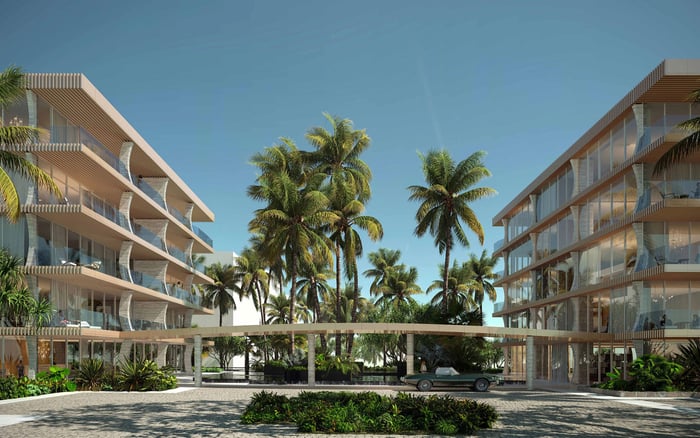
A Palm Beach acquisition can diversify a Riyadh family’s geographic exposure while increasing its overall concentration in real estate and illiquid assets. The decisive work is to separate cash to close, long-term property reserves, and portfolio rebalancing before capital is transferred.
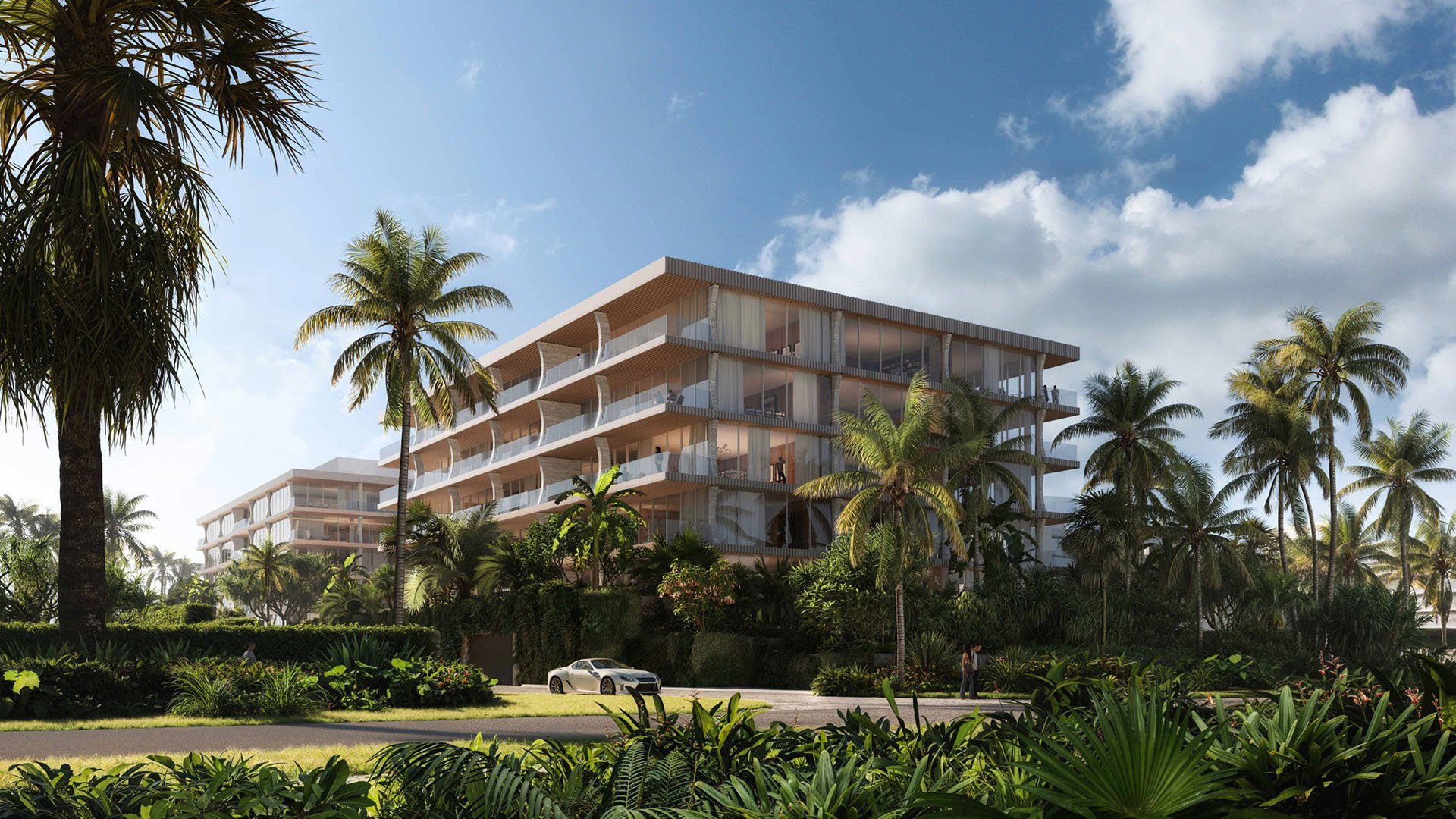
For a Riyadh family, acquiring a Palm Beach residence is not simply a transfer from cash into property. It introduces a substantial US asset, creates dollar-denominated obligations, and shifts the balance between liquid wealth and capital that cannot be readily redeployed. The home may serve the family rather than generate income, but it still occupies space on the same balance sheet that supports businesses, private investments, distributions, and future acquisitions.
The residence can diversify jurisdictional exposure while increasing real-estate concentration.
That apparent paradox is the central portfolio question. Palm Beach can reduce dependence on one country by introducing US exposure while simultaneously increasing aggregate exposure to property and illiquidity. The assessment should therefore consider both geography and asset type rather than celebrate diversification along only one axis.
A significant residence generally belongs in the long-duration or illiquid capital layer, even when classified for personal use. It should not be treated like a liquid security that can be trimmed efficiently after a market movement. If the purchase takes the family beyond its intended allocation, the first response is to examine other real estate, liquid securities, and forthcoming private commitments.
That may mean slowing new private-investment commitments, postponing another property acquisition, or reducing an existing real-estate position. Resale timing should never be expected to resolve a near-term liquidity mismatch. The stronger approach is to decide in advance which liquid holdings will absorb the initial portfolio adjustment and which future commitments can be moderated without compromising the family’s strategic priorities.
An investment policy statement can make that discipline explicit. It can define the role of personal real estate, establish liquidity requirements, and identify rebalancing triggers. It should also distinguish between a change in market value and a genuine change in family intent. A residence selected for multigenerational use requires a different response from a financial asset acquired with a defined exit horizon.
The purchase price is only the largest line in a broader liquidity schedule. A useful structure divides funds among contractual cash to close, lender or transaction reserves, and post-purchase operating capital. Combining them into one headline figure can leave the residence fully paid for but inadequately funded.
The cash-to-close model should reflect the actual contract and ownership structure. Relevant items may include the equity contribution, title and settlement charges, tax prorations, legal work, entity formation, escrows, and lender costs. Buyer and seller obligations should be reviewed separately rather than estimated through a generic percentage of the purchase price.
This framework should be applied property by property. A buyer considering Palm Beach Residences might compare the transaction timetable and ownership structure with alternatives across the wider Palm Beach market. The purpose is not merely to choose a residence, but to understand how each candidate affects the family’s liquidity schedule before and after closing.
Financing can preserve investment capital, but it also expands cash-to-close planning. Mortgage origination expenses, lender charges, escrows, and formal reserve requirements may need to be added to the equity contribution. The applicable terms depend on the lender, property type, borrower profile, and transaction structure.
For a Riyadh buyer, the operational implication is significant: dollar liquidity may need to arrive in the United States before closing. Funding dates should therefore be calculated backward from the contractual timeline. Banking onboarding, ownership documentation, entity formation, international legal review, and compliance work can all affect readiness.
US tax, estate-planning, banking, and ownership-structure advice should be obtained from qualified advisers before funds are transferred or a contract is signed. The objective is to align the purchase structure, funding route, and long-term ownership plan rather than solve each issue in isolation.
Post-purchase capital should cover more than debt service. The reserve schedule should incorporate property taxes, insurance, association fees where applicable, utilities, staffing, routine maintenance, and foreseeable capital expenditure. Waterfront ownership may warrant a particularly deliberate operating plan, but the reserve should derive from the selected property’s actual obligations rather than a broad market assumption.
The distinction becomes tangible when comparing residences. Forté on Flagler West Palm Beach, The Ritz-Carlton Residences® West Palm Beach, and South Flagler House West Palm Beach can each enter a buyer’s comparative review, but every candidate requires its own schedule of acquisition costs, recurring charges, staffing expectations, and future capital needs. Project selection and reserve design should proceed together.
The appropriate liquidity runway depends on the family’s broader obligations. Operating businesses, private-investment commitments, family distributions, and expenses attached to other properties can all influence the amount of capital retained outside the residence.
Because acquisition and carrying costs are dollar-denominated, holding near-term Palm Beach obligations in liquid US-dollar assets can reduce the risk of forced conversion at an inconvenient moment. The purpose is not to make a currency forecast. It is to ensure that property taxes, insurance, staffing, maintenance, and scheduled capital work can be paid without disturbing long-duration holdings or creating an avoidable funding scramble.
A liability-aware allocation separates liquid reserves, core preservation assets, and long-duration growth capital. Second-home ownership can fit within that architecture when each layer has a defined function. The reserve is not idle money; it allows the residence to remain a patient asset while the rest of the portfolio follows its intended strategy.
For Riyadh families assessing Palm Beach with discretion and balance-sheet precision, begin a private conversation with MILLION.
If branded residences are on your mind — as a home or as an allocation — we would be glad to share what we are seeing, privately.
Begin a quiet conversationIt generally belongs in the long-duration or illiquid capital layer, even when held for personal use rather than investment income.
Yes. It can add US exposure while also increasing the family’s total concentration in real estate and illiquid assets.
The review can include liquid securities, other property holdings, and forthcoming private-investment commitments.
A residence is not readily tradable, and its sale timing may not align with immediate funding needs.
The calculation may include the equity contribution, title and settlement charges, tax prorations, legal work, entity formation, escrows, and lender costs.
Financing can add lender charges, escrows, and reserve requirements to the equity contribution.
Banking onboarding, documentation, legal review, and compliance work may affect when dollar liquidity must be available.
Matching near-term Florida obligations with liquid dollars can reduce the risk of forced currency conversion when expenses become due.
It should account for taxes, insurance, association fees, utilities, staffing, maintenance, and foreseeable capital expenditure.
No. Reserve planning should reflect the selected property’s actual recurring charges, staffing needs, and expected capital work.