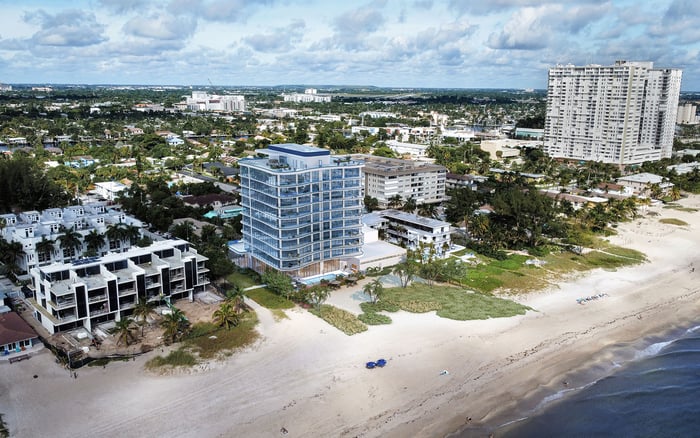
A disciplined review of closing costs, title work, association charges, and recurring obligations can give Pompano Beach luxury buyers a clearer view of total ownership before commitment.

In Pompano Beach, the appeal of a new residence can make the headline price feel like the defining consideration. Yet an elegant acquisition depends equally on understanding the full amount required at closing and the obligations that continue thereafter. Closing costs, title-related expenses, association charges, deposits, adjustments, and optional services should enter the conversation before a buyer becomes emotionally committed to a particular home.
This is especially relevant when comparing new-construction opportunities, pre-construction contracts, and completed condominium residences. The terminology may appear familiar from one transaction to the next, but the documents, timing, allocation of expenses, and payment instructions can differ. A discerning buyer therefore requests transaction-specific figures rather than relying on a broad percentage or a previous South Florida purchase.
For readers assembling buyer's guides for a Broward acquisition, the most useful framework is straightforward: separate the residence price from the cost of completing the transaction, then separate both from the annual cost of ownership.
A practical schedule should identify every anticipated cash outlay, the party requesting it, when it is due, and whether it is refundable, creditable, adjustable, or final. This creates a single working view of the transaction rather than leaving key amounts scattered across a contract, title correspondence, association materials, lender documents, and closing statements.
Buyers considering Armani Casa Residences Pompano Beach or W Pompano Beach Hotel & Residences can apply the same disciplined process: request the applicable contract and cost information for the specific residence under consideration, then have the appropriate legal, title, tax, financing, and insurance professionals review it.
The schedule should also distinguish estimates from fixed amounts. Some figures may not be final at the outset of a transaction. Clearly identifying them allows the buyer's team to update the anticipated cash requirement as information becomes available while preserving a sensible contingency for changes.
Title work warrants substantive review, not merely a place on a checklist. Buyers should ask their closing professional to explain the proposed ownership structure, title documents, settlement statement, and each title-related charge in plain language. The objective is not simply to know the total, but to understand what each item covers and whether its allocation aligns with the signed agreement.
This review should begin early enough to resolve questions without compressing decisions into the final days before closing. For an investment purchase, ownership and financing choices may also affect the professionals or documents required. Those questions should be directed to qualified advisers familiar with the buyer's circumstances.
A buyer comparing The Ritz-Carlton Residences® Pompano Beach with another vertical residence should obtain a separate estimate for each contemplated transaction. Similar price points do not guarantee identical closing statements, contractual allocations, or recurring obligations.
The recurring association charge is only the beginning of the inquiry. A rigorous review considers what the stated amount includes, how often it is collected, which services are billed separately, and whether additional charges apply to parking, storage, amenities, utilities, move procedures, applications, or other residence-specific arrangements. None should be assumed without current written documentation.
The buyer's team should examine the association materials and request clarification of any charge that is undefined, estimated, or potentially subject to adjustment. It is also prudent to determine how the selected residence is treated within the governing documents, particularly when layouts, accessory spaces, or use arrangements vary.
The same discipline applies when evaluating Ocean 580 Pompano Beach or Waldorf Astoria Residences Pompano Beach. Project branding should never substitute for a residence-specific review of the contract, association package, and closing estimate.
Once one-time costs are organized, buyers can model both the first year and a stabilized annual year. The first-year view may include transaction expenses and setup costs. The stabilized view can focus on recurring association obligations, insurance, taxes, financing, maintenance, services, and the owner's chosen lifestyle expenditures, using figures supplied or confirmed by the appropriate professionals.
A useful comparison places each candidate residence in parallel columns. Confirmed amounts should remain separate from estimates, with unresolved items clearly identified. This prevents a visually attractive total from concealing assumptions and helps buyers determine whether a residence remains comfortable under a higher-cost scenario.
The result is more than a budget. It is a decision document that can inform negotiation, contract review, financing, and the timing of liquid funds. In luxury real estate, clarity is itself a form of discretion: it allows the buyer to focus on architecture, views, service, and long-term fit without permitting avoidable administrative surprises to dominate the closing.
Before signing or allowing a key deadline to pass, buyers should request a written estimate of funds due, a description of title and settlement charges, current association materials, and an explanation of recurring and one-time building charges. They should also confirm responsibility for each item under the proposed agreement.
Every unresolved figure should have an owner and a follow-up date. The attorney can address contract language, the title professional can explain settlement items, the lender can detail financing charges, and tax and insurance advisers can address their respective fields. The goal is a coordinated review, with every material assumption visible before the transaction becomes difficult to reshape.
When should a buyer begin reviewing closing costs? Begin before signing whenever possible, then update the estimate as the transaction progresses.
Is a percentage estimate sufficient for a luxury purchase? No single percentage can replace a transaction-specific schedule based on the proposed agreement and residence.
What should a closing-cost schedule contain? It should show each item, amount or estimate, payee, due date, and whether it is refundable or adjustable.
Why review title fees separately? A separate review helps the buyer understand the purpose, allocation, and timing of each title-related charge.
What association questions deserve early attention? Ask what is included, what is billed separately, how often charges are collected, and which amounts remain estimates.
Should buyers compare association charges across projects? Yes, but they should compare inclusions and exclusions alongside the stated totals.
How should unknown costs be handled? Label them as unknown, assign responsibility for follow-up, and retain a reasonable contingency until they are clarified.
Who should explain contract allocations? A qualified attorney should interpret the agreement and advise the buyer based on the transaction.
Should financing charges appear in the same analysis? They can appear in the complete cash schedule, provided they remain clearly separated from title and association items.
What is the most useful final comparison? Compare the purchase price, cash required to close, first-year costs, and stabilized recurring ownership expenses.
For a confidential assessment and a building-by-building shortlist, connect with MILLION.
If branded residences are on your mind — as a home or as an allocation — we would be glad to share what we are seeing, privately.
Begin a quiet conversation