A disciplined Hillsboro Beach search should test school logistics, everyday travel and security operations before design preferences narrow the field.
A Hillsboro Beach acquisition may begin with architecture, water, privacy and the promise of a more composed coastal life. Yet the decision becomes durable only when the household’s weekly rhythm works as elegantly as the residence itself. For families and principals moving between homes, the decisive questions often involve school transportation, recurring drives, guest handling, staff access and the security protocols encountered each day.
These matters warrant review before a buyer becomes attached to a particular floor plan. A beautiful residence can be refined through interiors; an inconvenient routine is far harder to redesign. The most useful buyer’s-guide principle is therefore simple: test the life around the property with the same rigor applied to the property itself.
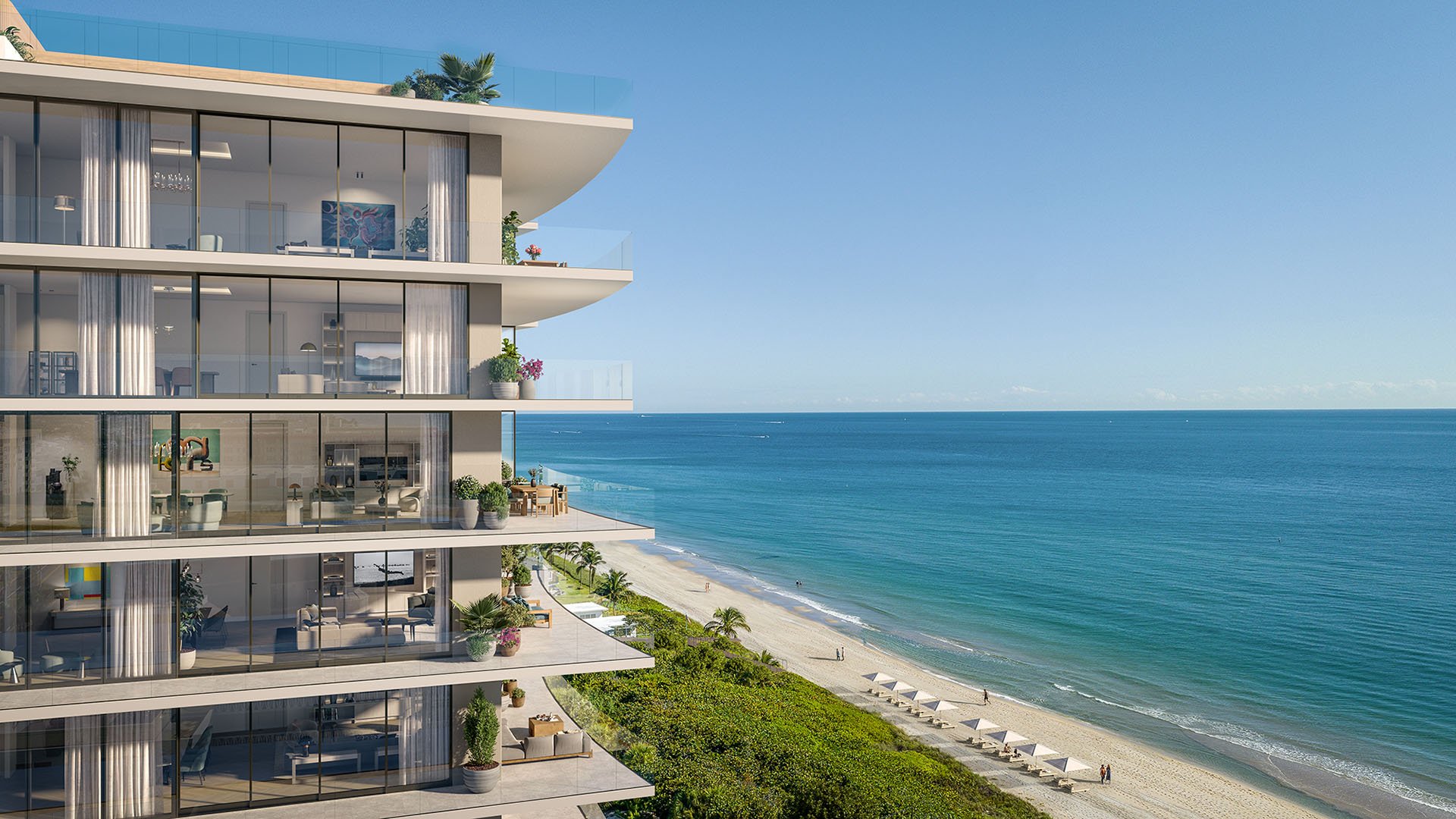
For a search within Broward, begin with a written operating brief. Identify who travels, where each person needs to be, at what times, in which vehicles and under whose supervision. That document gives an adviser a practical basis for comparing a private home with a vertical residence such as Rosewood Residences Hillsboro Beach without assuming that either format automatically suits the household.
Private-school access should be considered as a sequence of actual movements, not simply a distance on a map. Buyers should map the morning departure, afternoon return, extracurricular schedule, early-dismissal days and every handoff among parents, drivers, caregivers or school transportation. If siblings attend different campuses, each route belongs in the analysis.
Ask schools directly about current transportation policies, pickup procedures, calendars and enrollment requirements. Then establish backup plans for illness, weather, schedule changes and a driver’s day off. A residence that performs well on an ordinary Tuesday may feel markedly different when two children have overlapping commitments.
Treat private-school planning as a diligence category in the search brief, with designated decision owners and deadlines. School acceptance and a home purchase are separate processes, so neither should be treated as confirmation of the other. The objective is not to predict every day, but to expose friction early enough for the buyer to retain options.
A commute should be measured through repetition. Conduct trial drives at the household’s expected departure and return times on more than one relevant day. Include the full sequence: garage exit, security clearance, passenger pickup, parking, vehicle charging or fueling, and the final walk to the destination.
This exercise is equally important for travel to offices, airports, clubs, medical appointments and family residences. Record the result as a range rather than a single promise, noting where uncertainty enters the trip. If a principal uses a professional driver, invite that person to inspect turning movements, staging areas and waiting rules before the contract becomes nonnegotiable.
Comparative tours can sharpen judgment. A buyer considering a broader coastal search might assess Armani Casa Residences Pompano Beach or Glass House Boca Raton against the same schedule. The purpose is not to declare one location superior, but to reveal which address best supports the buyer’s actual obligations.
New-construction review often centers on finishes, amenity programs and anticipated views. Operational questions deserve equal weight. Buyers should request clear explanations of arrival sequencing, resident and guest entry, package handling, service access, parking assignments, elevator use, loading procedures and the process for authorizing household staff.
In vertical luxury, privacy depends partly on the management of shared spaces. Ask who can access residential floors, how visitors are verified, whether separate circulation paths exist for service functions, and what occurs when a resident hosts a large gathering. Review how management communicates incidents, planned maintenance and temporary access restrictions.
A tour should extend beyond the sales presentation. Walk the likely path from vehicle to residence, then repeat it from the perspective of a guest, caregiver and vendor. When considering another urban operating model, Andare Residences Fort Lauderdale can be evaluated with the same questions. Consistent criteria make comparisons more useful than impressions.
Oceanfront ownership may take the form of a private residence or a staffed building, but security should be evaluated as a complete operating system. Review the perimeter, entry points, lighting, camera coverage, credential management, visitor verification, key control and response procedures. Technology matters, but staffing, training and accountability determine how the system performs.
For a private residence, clarify who monitors alerts, manages vendors and responds when the owner is away. For a condominium, examine the division of responsibility among the residence, building management, security personnel and outside contractors. A gated-community label, private elevator or staffed desk should never replace detailed questions about actual procedures.
Cyber and physical access also intersect. Buyers may wish to involve independent specialists to review networks, smart-home controls, cameras, remote entry and data retention. Any specialist should coordinate with the buyer’s legal, insurance and property-management advisers so that recommendations do not conflict with governing documents or operating rules.
Create a decision file for every finalist. It should include school scenarios, trial-drive notes, access diagrams, parking and elevator observations, staff requirements, guest protocols, insurance questions and unresolved items. Assign each issue a status: confirmed, pending or unacceptable. This discipline prevents an emotional preference from obscuring an operational weakness.
Before signing, appropriate legal, tax, insurance, engineering and security professionals should review matters within their expertise. For a condominium, buyers should also examine the applicable offering materials, governing documents, budgets, rules and disclosed obligations with counsel. For a private home, the scope should reflect the property and the buyer’s intended use.
The strongest choice is rarely the residence with the longest amenity list. It is the one that preserves discretion while reducing avoidable friction for the household, its guests and its staff.
When should school logistics enter the search? Before the shortlist becomes emotionally fixed, ideally while several viable residences remain under consideration.
Is map distance enough to evaluate a school commute? No. Buyers should test the complete trip at relevant times, including pickup, parking and handoff procedures.
Should each parent or driver test the route? Yes. Different schedules, vehicles and responsibilities can reveal distinct points of friction.
What should buyers ask about guest security? Ask how guests are verified, admitted, directed, parked and escorted, including during larger gatherings.
How should household staff affect the property review? Confirm access permissions, arrival routes, parking, service circulation and after-hours procedures for each role.
Does a private elevator guarantee privacy? No. Buyers should understand credentialing, shared access points, service use and management procedures.
What belongs in a commute trial? Include garage departure, recurring bottlenecks, destination parking and the final transfer from vehicle to appointment.
How should a second-home owner assess security? Define who monitors the property, handles alerts, supervises vendors and responds during extended absences.
Should security technology receive independent review? An independent specialist can help evaluate physical access, networks, smart-home controls and response planning.
What is the best final comparison tool? Use a consistent decision file that separates confirmed details, pending questions and unacceptable conditions.
For a discreet conversation and a curated building-by-building shortlist, connect with MILLION.
If branded residences are on your mind — as a home or as an allocation — we would be glad to share what we are seeing, privately.
Begin a quiet conversation