W Pompano Beach’s advertised wellness program combines a 6,800-square-foot AWAY Spa with hotel and residence-exclusive amenities. For buyers, the decisive details are capacity, guest eligibility, additional fees, and written permission for independently hired practitioners.
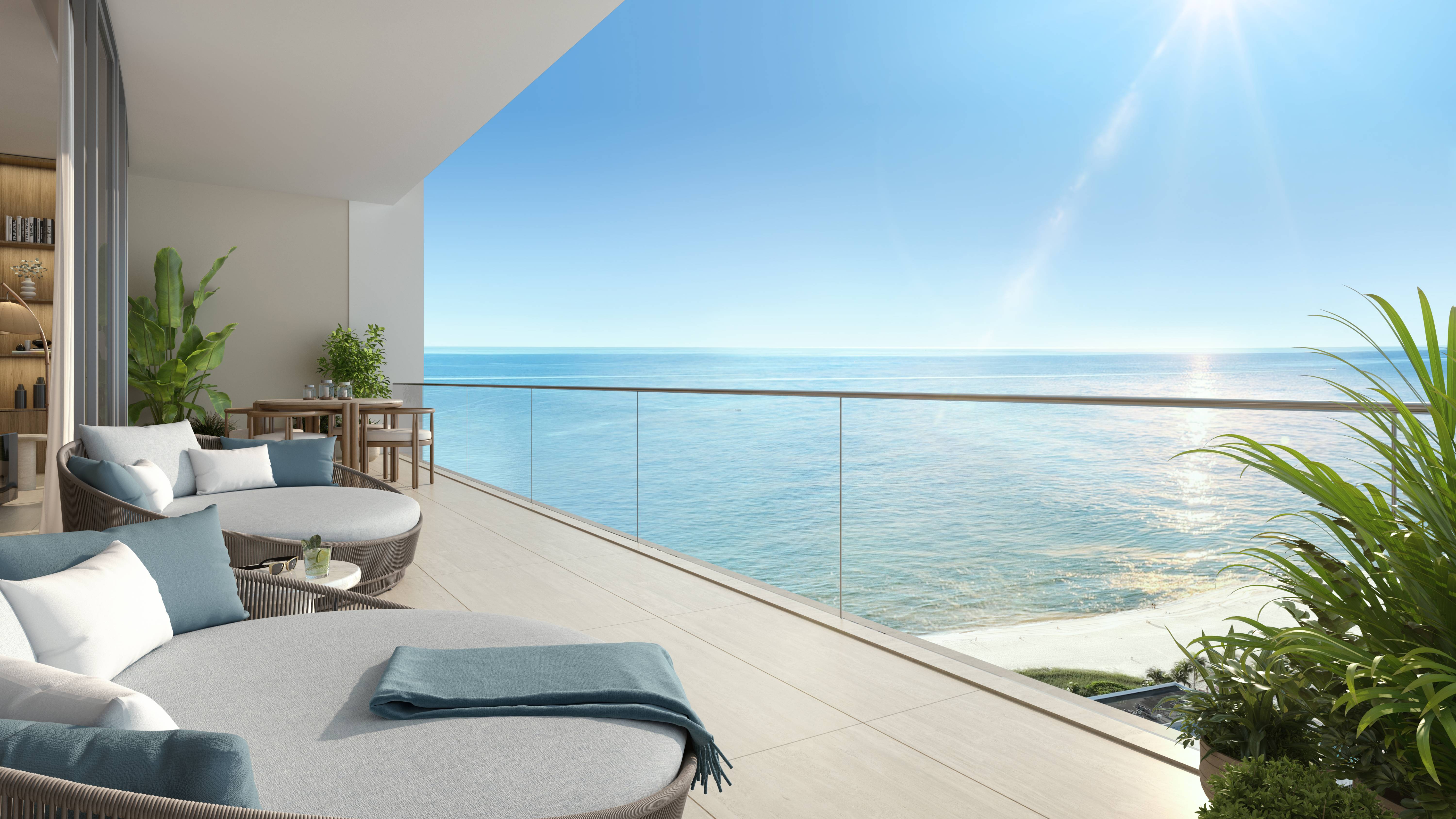
Oceanfront living is most persuasive when its amenities fit naturally into daily life. At W Pompano Beach Hotel & Residences, marketed at 20 North Ocean Boulevard in Pompano Beach, the advertised wellness offering combines spa treatments, thermal amenities, fitness, and residence-exclusive spaces. The setting is directly on the Atlantic beachfront.
For a buyer, the critical distinction is between an advertised amenity and a reliably available service. A spa’s footprint does not establish appointment availability. Owner access does not automatically extend to visiting family. An in-home treatment offering does not, by itself, authorize a personally retained therapist to enter the building.
The development is planned to include 296 furnished condo-hotel suites, 74 condominium residences, and three penthouses. These are advertised plans and services, not confirmation of current operating status. The private-client task is to translate the wellness offering into written rights, practical availability, and identifiable costs.
The centerpiece is a planned 6,800-square-foot AWAY® Spa with dedicated suites for custom massage and wellness treatments. Advertised thermal and hydrotherapy amenities include a cold plunge, Jacuzzi, sauna, and steam rooms. The wellness offering also includes nail and hair services.
The hotel program includes a FIT® Gym and yoga studio. Residence owners are advertised as having access to AWAY Spa, FIT Gym, WET® Pool Deck, meeting and event rooms, and The Living Room.
A separate residence-exclusive program adds a fitness center with men’s and women’s sauna and steam rooms. Owners’ advertised amenities also include a 12,000-square-foot outdoor pool deck with a dedicated spa, private cabanas, and a chef’s grilling station, along with a private resident-only lobby.
The distinction matters: hotel amenities and resident-only facilities should be evaluated separately, not treated as one interchangeable wellness offering.
The 6,800-square-foot spa figure establishes the advertised footprint, not permitted occupancy or treatment throughput. The amenity descriptions do not specify treatment-room, massage-room, or nail-station counts, thermal-room seating, or fitness-equipment positions.
They also do not establish maximum user capacity for the spa, gyms, yoga studio, pools, or residence-exclusive wellness spaces. Without those details, a buyer cannot responsibly infer how many appointments can run simultaneously or how readily a preferred routine will fit into busy periods.
Request a written operating schedule identifying treatment suites, permitted occupancies, opening hours, booking windows, and waitlist procedures. Ask separately about maintenance closures and cancellation rules. For a household that values a regular morning treatment or private yoga session, availability at a particular hour may matter more than overall amenity scale.
The aim is not to predict congestion. It is to avoid treating an architectural dimension as a service guarantee.
Condo-hotel ownership, residential ownership, and a hotel stay should not be assumed to confer identical wellness privileges. The advertised owner-access language does not establish equal rights for residential owners, condo-hotel owners, hotel guests, owners’ guests, and outside visitors.
It also does not define whether access is unlimited, requires reservations, or is subject to blackout periods. That language alone establishes neither complimentary treatments nor resident booking priority, transferable access, or guest privileges.
Ask for an eligibility matrix covering each user category and facility. It should distinguish entry to a space from entitlement to book a paid service and clarify whether accompanying guests need separate reservations or fees.
A buyer also considering The Ritz-Carlton Residences® Pompano Beach can apply the same questions without assuming either project’s policies. The useful comparison is the documented right, not the amenity name.
The advertised services include spa and salon reservations as well as in-home spa treatments or services. That matters to buyers who prefer privacy, but it does not establish permission to bring independently hired practitioners into a residence.
The described offering does not confirm a resident entitlement to admit a personal massage therapist, trainer, yoga instructor, aesthetician, or other wellness provider. Permitted practitioner categories and the entry-approval process are also unspecified.
Obtain written rules addressing outside-provider permission, licensing, insurance, indemnification, background checks, credentialing, scheduling, check-in, and any escort requirements. Clarify where a provider may work: inside the residence, in shared fitness areas, or elsewhere. Permission for one setting should not be assumed to cover another.
Finally, ask whether in-residence treatments must be booked through AWAY Spa. A household’s longstanding relationship with a practitioner is a distinct requirement from access to a building-arranged service.
Referenced beach-club amenities, hotel amenities, and services require fees in addition to regular assessments. Wellness access should therefore not be budgeted as an all-inclusive benefit simply because it appears within the residential offering.
Request the applicable fee schedules, distinguishing facility access charges, treatment prices, guest charges, and any recurring service arrangements. Where a charge has not been finalized, ask how it will be set and communicated rather than assuming an amount.
For buyers weighing Waldorf Astoria Residences Pompano Beach alongside W, the disciplined approach is to compare documented rights and expenses. Branding alone should not imply equivalent wellness entitlements or pricing.
The central financial question is straightforward: what does the regular assessment support, and what requires an additional payment when the household uses it?
A useful diligence request should cover three subjects: capacity, eligibility, and practitioner access. Review final condominium documents, house rules, spa policies, and operator agreements for access rights and expense allocation, and have unresolved questions addressed in writing.
For capacity, seek room counts, permitted occupancy, hours, reservation procedures, and cancellation terms. For eligibility, seek category-specific rights, guest limits, booking priority, and restrictions. For practitioners, seek approval requirements and permitted work areas.
The same framework is useful when considering Four Seasons Hotel & Private Residences Fort Lauderdale, without presuming its operating rules match W’s. It keeps the comparison focused on how a household intends to live.
W Pompano Beach’s advertised program offers a substantial wellness proposition. Its fit for a particular buyer depends on whether the written rules support that buyer’s routine, guests, preferred practitioners, and budget.
For a discreet perspective on wellness-led residential choices in South Florida, explore MILLION.
If branded residences are on your mind — as a home or as an allocation — we would be glad to share what we are seeing, privately.
Begin a quiet conversationThe project is marketed at 20 North Ocean Boulevard, Pompano Beach, FL 33062, directly on the Atlantic beachfront.
The advertised AWAY Spa footprint is 6,800 square feet. That figure does not establish permitted occupancy or appointment availability.
The amenity descriptions do not specify a numerical treatment-room count. Buyers should request written room counts and operating details.
The spa program advertises a cold plunge, Jacuzzi, sauna, and steam rooms. Their maximum user capacities are not established in the described offering.
The residence-exclusive program includes a separate fitness center with men’s and women’s sauna and steam rooms. Owners’ amenities also include a 12,000-square-foot outdoor pool deck with a dedicated spa.
Residence owners are advertised as having access to AWAY Spa, FIT Gym, and WET Pool Deck. Unlimited access, reservation terms, and blackout periods are not defined by that language.
The described offering does not establish owners’ guest privileges or identical access rights across user categories. Buyers should obtain facility-specific guest rules in writing.
The service descriptions do not confirm that entitlement. Written permission and applicable practitioner-entry rules should be obtained before relying on outside-provider access.
Yes, the service offering includes in-home spa treatments or services. It does not identify permitted practitioner categories or establish permission for independently hired providers.
Referenced beach-club amenities, hotel amenities, and services require fees in addition to regular assessments. Buyers should request applicable fee schedules and confirm expense allocation.