A discreet framework for evaluating access control, circulation, privacy, staffing and contractual clarity before committing to a luxury residence in Coral Gables.
In Coral Gables, a beautiful residence can satisfy the eye long before its operating model has been examined. Yet for buyers considering new construction or vertical luxury, privacy is not simply a finishing detail. It results from a series of decisions involving access, staffing, circulation, technology and daily management.
That review should begin before a preferred floor plan or exposure makes the decision feel inevitable. The guiding principle is simple: evaluate the complete residential journey, not merely the private interior. That sequence begins at the property edge and continues through arrival, parking, reception, elevators, amenity areas and the residence door.
A polished lobby represents only one part of the access plan. Buyers should request a clear explanation of how residents, guests, household employees, contractors, delivery personnel and building staff enter and move through the property. The objective is to understand where those paths overlap, where authorization occurs and who responds when protocols are not followed.
Review vehicle arrival and pedestrian entry separately. Then examine garage access, visitor parking, loading areas, service corridors and elevator controls. If a residence has more than one point of entry, each route deserves equal attention. A private elevator concept may feel discreet, but buyers should still understand how access is granted, managed and revoked.
Security hardware should be viewed as one component, not a complete answer. Cameras, credentials and controlled doors matter only in relation to staffing, maintenance and response procedures. Ask who administers access permissions, how temporary credentials are handled and what happens during outages or emergencies.
Privacy also depends on visibility and information handling. Study sightlines from neighboring residences, amenity areas, elevator landings and adjacent buildings. Review whether private terraces, entry foyers and interior living spaces may be visible from common or external positions at different times of day.
Digital privacy deserves equal attention. Buyers can ask what resident information is collected, which systems store it, who can access it and how long records are retained. The discussion may include visitor logs, camera footage, vehicle details, entry credentials and communications with staff. The goal is not absolute invisibility, but a clear understanding of the property's information boundaries.
Lifestyle services can introduce additional touchpoints. Valet operations, package handling, in-residence service and amenity reservations may each reveal patterns of occupancy. A discreet operating culture should be explored through precise questions rather than inferred from branding or presentation.
Consistency makes comparisons more revealing. A buyer reviewing Cora Merrick Park can apply the same privacy checklist when considering Ponce Park Coral Gables or The Village at Coral Gables. The purpose is not to assume that different residential formats should operate identically, but to identify which model best matches the buyer's household, schedule and tolerance for shared circulation.
Nearby alternatives can sharpen the analysis. Reviewing Four Seasons Residences Coconut Grove may help a buyer distinguish between location preference and operating preference without presuming equivalence between projects.
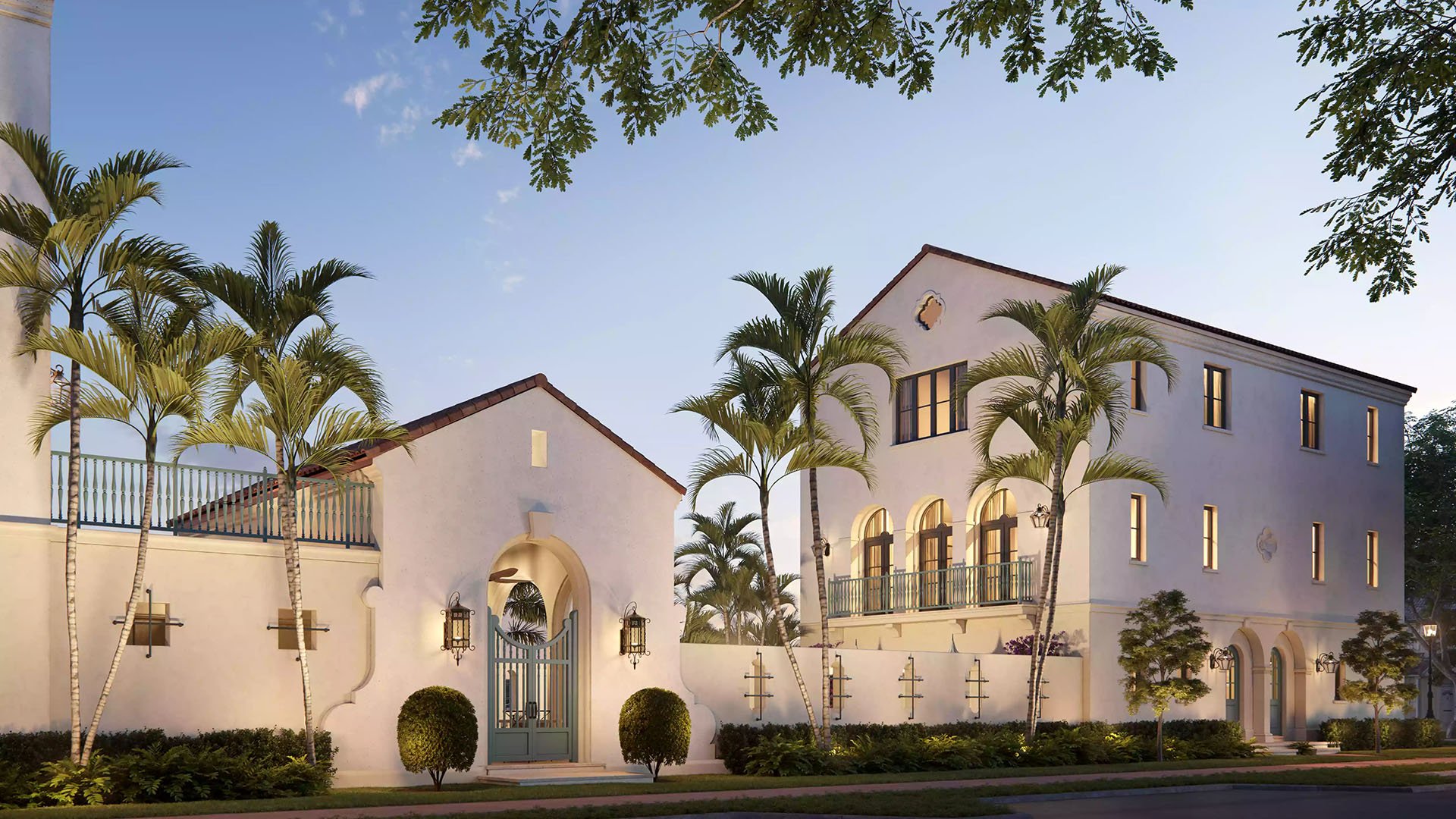
Design and architecture should remain part of the privacy review. Ask how entrances, landscaping, setbacks, glazing, balconies and service areas shape exposure. For high-floor and lower residences alike, elevation alone should never substitute for a careful sightline assessment.
With pre-construction, buyers may be assessing plans and proposed operations rather than an occupied building. Distinguish visual renderings, sales descriptions and anticipated practices from obligations established in controlling documents. Counsel can help identify which commitments are defined, who is responsible for delivering them and whether they may change.
Request available materials covering access systems, common-area circulation, staffing assumptions and operating budgets. Ask how security-related equipment will be maintained and funded after turnover. If particular measures are essential to the purchase, buyers should discuss with qualified advisers how those expectations can be documented appropriately.
This is also the moment to examine flexibility. Household staffing may change, children may begin driving and a second home may become a primary residence. The strongest fit is a protocol that accommodates legitimate access without making privacy dependent on informal exceptions.
A luxury purchase should be evaluated as both real estate and an operating environment. Before signing, buyers can assemble questions for the sales team, property manager, legal counsel and, when appropriate, an independent security adviser. Written clarity carries greater weight than broad assurances.
The final comparison should reflect the buyer's actual life: arrival habits, travel schedule, family structure, household staff, deliveries, entertaining and appetite for shared amenities. Privacy is personal, and the right choice is the one whose layers remain coherent through ordinary routines and unusual circumstances alike.
When should a buyer begin reviewing security protocols? The review should begin during early project evaluation, before attachment to a particular residence or floor plan narrows the decision.
Is a staffed lobby enough to establish strong security? No single feature answers the question. Buyers should examine staffing alongside access control, circulation, maintenance and response procedures.
What access points deserve attention? Review pedestrian entrances, vehicle arrival, garages, loading zones, service routes, elevators, amenity access and every entrance serving the residence.
How should buyers assess guest access? Ask how guests are verified, authorized, directed and removed from the active access system after their visit.
Why does delivery handling matter for privacy? Deliveries can expose occupancy patterns and create additional circulation. Buyers should understand where items are received, stored and transferred.
Should household employees be considered in the review? Yes. The access model should support recurring staff while preserving accountability, straightforward permission changes and appropriate separation from guest credentials.
What should buyers ask about surveillance systems? Ask about coverage, monitoring responsibility, footage access, retention practices, maintenance and procedures following an incident.
How does vertical living affect privacy? Shared elevators, corridors, garages and amenities create distinct touchpoints. Buyers should trace how each one connects to the private residence.
Can project renderings confirm privacy performance? Renderings can illustrate design intent, but buyers should review plans, specifications and governing documents with qualified advisers before relying on particular features.
Who should assist with a detailed review? Depending on the buyer's needs, the team may include legal counsel, insurance advisers, property professionals and an independent security consultant.
For a tailored shortlist and next-step guidance, connect with MILLION.
If branded residences are on your mind — as a home or as an allocation — we would be glad to share what we are seeing, privately.
Begin a quiet conversation