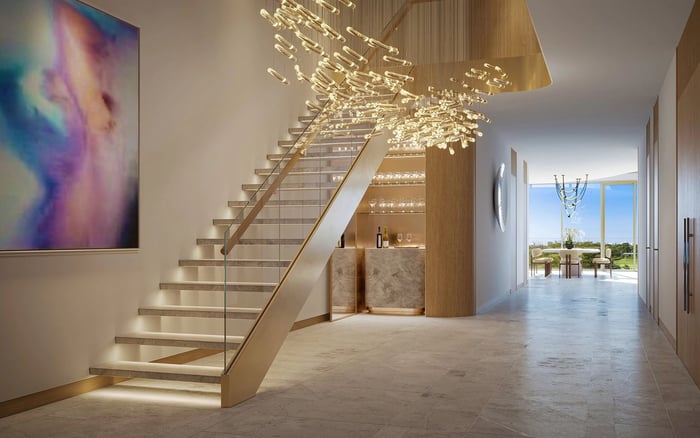
For collectors considering new or vertical luxury in Bay Harbor Islands, art stewardship should begin before plans are fixed. Storage, lighting, glazing, shades, humidity performance, monitoring, access and backup power all merit written, residence-specific review.

For an art collector evaluating a new or vertical residence in Bay Harbor Islands, storage, lighting, glazing, shades, environmental performance and backup systems belong in the initial due-diligence brief. Reviewing these elements early can help the buyer identify questions that may affect ceiling plans, wiring, millwork, controls or mechanical coordination.
Begin with an inventory of the collection’s practical requirements. Note likely display locations, unusually large works, sensitive materials, handling constraints and any need for dedicated storage. Qualified art, lighting, mechanical and legal advisers can then assess the residence and its governing documents against those requirements.
A climate-control label alone does not explain how a storage area operates. Ask for written information about the enclosure, temperature and humidity management, sensor placement, alert procedures, maintenance responsibility and any backup coverage.
Access and handling also require review. Confirm dimensions, door clearances, elevator routing, authorization procedures, security arrangements and any restrictions that could affect delivery or removal. The buyer’s qualified adviser should determine whether the proposed conditions are appropriate for particular works.
Prepare a preliminary placement plan for paintings, photography, sculpture and flexible display areas. A lighting specialist can use that plan to evaluate fixture positions, aiming, beam control, dimming, zoning, heat and ceiling coordination.
Project pages that may support a Bay Harbor Islands search include The Well Bay Harbor Islands, La Maré Bay Harbor Islands and La Baia North Bay Harbor Islands. Any collector-focused assessment should remain specific to the selected residence, current plans and applicable documents.
Dimming is only one part of the review. Circuiting, control groups, fixture selection, aiming flexibility and programming should be considered together, with agreed changes recorded in writing.
Evaluate how daylight reaches proposed display walls at different times and how glazing, interior shades, room use and furniture placement interact. This review should preserve the architectural intent while addressing the needs of individual works.
Ask which shade provisions are included, which require customization and how their controls interface with lighting or other residence systems. Conservation decisions should be made with advisers qualified to assess the collection’s materials and condition.
Residential comfort and collection care are separate considerations. Ask how the residence and any assigned storage area manage temperature and moisture during normal occupancy, extended absences and changes in use.
Buyers may also consult the project pages for Alana Bay Harbor Islands and Onda Bay Harbor while organizing residence-specific questions. Project descriptions should not replace current plans, specifications, governing documents or a technical inspection.
Monitoring questions should cover sensor locations, remote alerts, data retention, maintenance and responsibility for responding to an alarm. Backup-power review should identify which relevant systems, controls and communications are actually supported rather than relying on a general description.
Before committing, have counsel and technical advisers review the materials relevant to storage assignments, customization, lighting, shades, mechanical systems and backup power. Record accepted changes, responsible parties and approval procedures in the appropriate written agreements.
Before closing or installation, inspect the delivered condition and collect available drawings, equipment information, programming details and warranties. Test sensors, alerts, lighting scenes and controls, and verify that any assigned storage corresponds with the controlling documents.
Why should art planning begin early? Early review gives the buyer more time to coordinate technical questions before plans, selections or customization procedures become less flexible.
Does a climate-control label establish suitability for fine art? No. The buyer should obtain written operating details and have a qualified adviser assess them against the needs of the collection.
What should be checked for an assigned storage area? Review its location, dimensions, enclosure, access, security, environmental systems, monitoring and assignment documentation.
What belongs in an art-lighting review? The review should address display locations, fixture placement, beam control, aiming, dimming, zoning, heat and ceiling coordination.
Are dimmers sufficient for collection lighting? Not by themselves. Fixture selection, circuiting, control logic, aiming and programming also affect the result.
How should a buyer evaluate daylight? Review glazing, orientation, proposed display walls, shade provisions and room use with advisers familiar with the works involved.
What should buyers ask about environmental monitoring? Ask where sensors are located, whether readings are retained, how alerts are delivered and who handles maintenance and response.
Why does backup-power coverage require written confirmation? A general reference to backup power may not identify every supported component. The buyer should verify coverage for relevant conditioning, controls, monitoring and communications.
Which records should a collector request before closing? Request the applicable plans, specifications, agreements, equipment information, programming details and warranties available for the residence.
What is the best way to shortlist comparable options for touring? Start with location fit, delivery status, and daily lifestyle priorities, then compare stacks and elevations to validate views and privacy.
For a tailored shortlist and next-step guidance, connect with MILLION.
If branded residences are on your mind — as a home or as an allocation — we would be glad to share what we are seeing, privately.
Begin a quiet conversation