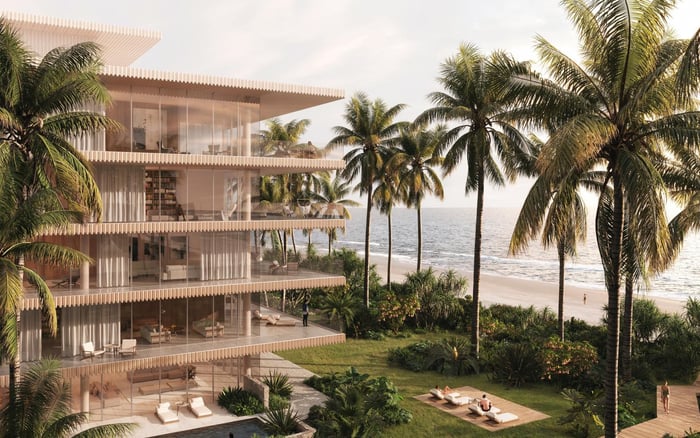
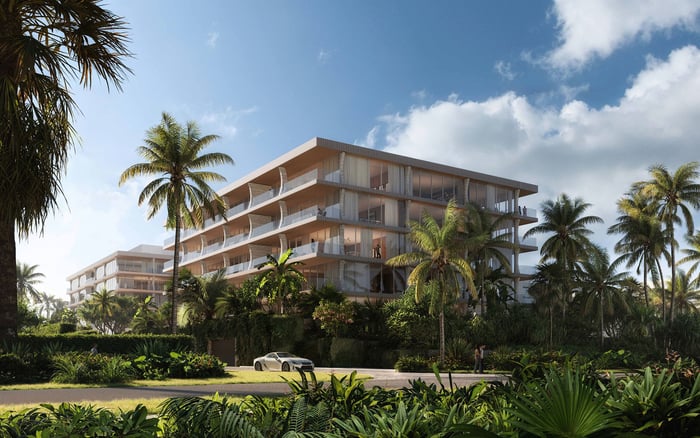
For Barcelona buyers, Palm Beach Gardens entertaining is an address-specific exercise in reviewing property documents, management procedures, vendor access, and privacy expectations. The most effective art-week plan separates private hospitality, guest stays, and commercial activations before invitations are issued.
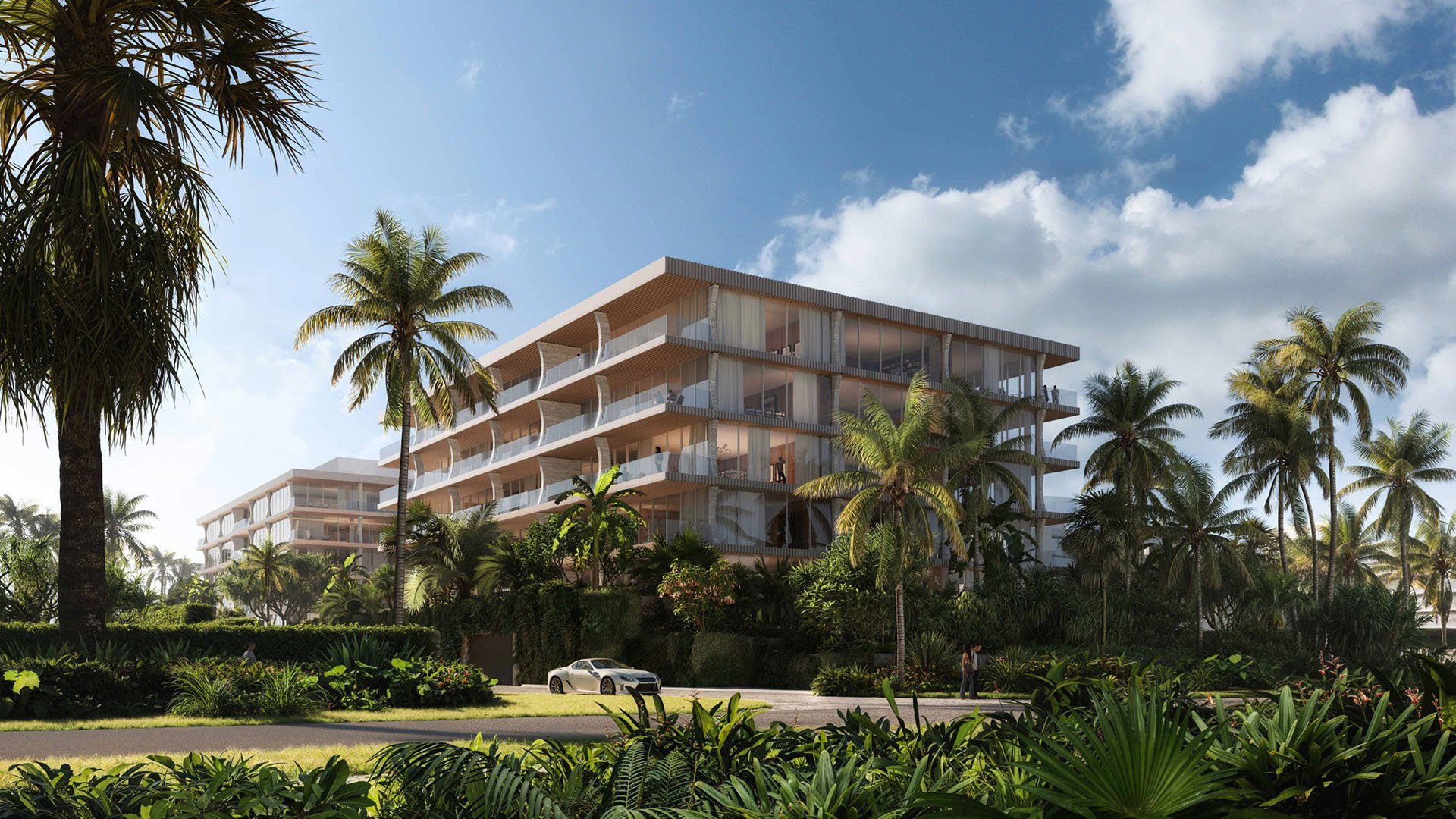
A Barcelona buyer may arrive in Palm Beach Gardens with a clear vision for art-week hospitality: an intimate collector dinner, a chef-led lunch, or a quiet reception. The essential adjustment is to map that vision to the residence’s governing documents, management procedures, physical layout, and privacy expectations.
The review should be specific to the address. Buyers should avoid assuming that procedures at one South Florida residence will apply to another, even when the properties share a similar service profile or luxury positioning. Association documents, club arrangements, management practices, and vendor procedures can shape how an event is planned.
The most discreet event is one whose permissions, vendors, and guest movement were resolved before invitations were sent.
For buyers considering The Ritz-Carlton Residences® Palm Beach Gardens, the appropriate starting point is a review of the current materials governing private functions, guests, vendors, shared spaces, and building access. A brand or service profile should not substitute for written confirmation.
A personal dinner for invited guests should be evaluated differently from a ticketed event, sponsored installation, product presentation, or sales occasion. The distinction matters because each format can introduce a different combination of legal, association, insurance, security, staffing, and management questions.
Before approving an art-week program, the buyer’s advisers should identify the host, purpose, guest profile, funding arrangement, branding, product displays, photography plan, and use of third-party vendors. They should also determine whether the residence is owner-occupied, used by personal guests, or offered for a stay connected to the event.
The practical burden can differ even among private gatherings. A seated dinner, salon-style viewing, and reception do not place the same demands on arrivals, food service, sound, staffing, refuse removal, or breakdown. Commercial or sponsored elements should receive a separate review rather than being treated as an extension of personal entertaining.
This distinction also belongs in the purchase analysis. A residence selected partly for peak-event hospitality should be evaluated according to its documented framework and physical suitability, not an assumed ability to function as a private venue.
Catering questions extend beyond menu and service style. A host should confirm how vendors are approved, where deliveries arrive, when setup may begin, which entrances or elevators may be used, and how equipment leaves the property after the event.
Other points for written review include insurance documentation, kitchen access, cooking methods, floral installation, hired security, music, valet coordination, driver waiting areas, waste handling, and final cleaning. These are operational details that can determine whether a polished event remains discreet.
Management should also clarify whether common areas are involved. A gathering contained entirely within a residence can present a different planning profile from one using a lobby, terrace, club room, driveway, dock, garden, or other shared setting. Any proposed use should be matched to the property’s current procedures.
Buyers comparing Palm Beach County residences can use Forté on Flagler West Palm Beach and Mandarin Oriental Residences, West Palm Beach as additional points of reference. The useful comparison is not which property appears more event-friendly, but how clearly each residence addresses vendor coordination, guest circulation, shared-space use, and management oversight.
A controlled entrance is only one component of privacy. An art-week plan should address invitations, guest-list changes, driver instructions, vendor credentials, deliveries, photography, staff circulation, and the handling of guest information.
The host can begin by deciding whether every attendee must be pre-cleared, who may approve substitutions, where vehicles will wait, and who will receive vendors. The photography policy should distinguish personal images from professional coverage and identify any spaces, guests, collections, or documents that must remain private.
Vendor agreements can address confidentiality and image use when appropriate. The operating plan can also reduce visual exposure by staggering deliveries, limiting exterior branding, assigning interior arrival points, and creating a staff holding area. These are planning choices that should remain consistent with the residence’s rules and management direction.
Privacy planning should continue through breakdown. Guest departures, equipment collection, leftover materials, waste removal, and staff sign-out can be as visible as arrivals. A single coordinator should maintain the approved schedule and serve as the point of contact for management, security, vendors, and the host.
A residence used for overnight guests or a short stay should not be evaluated solely through the lens of entertaining. The buyer’s advisers should separately review the ownership structure, intended occupancy, governing documents, management procedures, and any applicable requirements for the specific property.
This review should occur before the residence is marketed, offered, or promised for a peak-event stay. It should also address whether the planned gathering is compatible with the occupancy arrangement. A property suitable for personal guests may not automatically support every rental, sponsored, or event-related use.
Buyers should request current information rather than rely on practices associated with another municipality, community, or prior period. The objective is a documented plan tailored to Palm Beach Gardens and the exact residence under consideration.
Before contracting, the buyer can prepare three scenarios: private entertaining, overnight guest use, and a commercial or sponsored activation. Counsel and property management can then evaluate each scenario against the current documents and operating procedures.
The brief should describe expected guest count without presenting it as an approved capacity, the event format, proposed hours, vendor needs, arrival plan, food service, music, photography, security, setup, and breakdown. Written responses should be retained with the buyer’s property records and reconfirmed when planning a specific occasion.
The physical residence deserves equal attention. Buyers can study circulation between arrival areas and entertaining rooms, separation between guest and service routes, kitchen logistics, acoustic privacy, outdoor exposure, vehicle staging, and the location of private collections. The goal is to determine whether the home supports the desired style of hospitality without unnecessary visibility or disruption.
A broader Palm Beach County comparison may include Glass House Boca Raton, while keeping the analysis specific to each municipality, association, and property. The best fit is not simply the residence with the most dramatic entertaining space; it is the one whose written framework, management process, and layout align with the owner’s preferred way of hosting.
For a private consultation on Palm Beach Gardens and South Florida residences suited to considered entertaining, connect with MILLION.
If branded residences are on your mind — as a home or as an allocation — we would be glad to share what we are seeing, privately.
Begin a quiet conversationDocuments, management procedures, shared spaces, and vendor protocols can differ by property. Written confirmation helps align the event with the residence under consideration.
No. Sponsorship, ticketing, branding, sales, or product displays can introduce additional questions that should be evaluated separately.
They should confirm vendor approval, delivery routes, setup timing, equipment access, insurance documentation, and breakdown procedures.
The plan can address guest pre-clearance, driver instructions, photography, vendor credentials, staff circulation, and confidential information.
No. Privacy also depends on invitation handling, deliveries, photography, vehicle staging, staff movement, and departure procedures.
An overnight stay can involve different documents, management procedures, and occupancy considerations from a private gathering.
It should describe the event format, guest plan, vendors, food service, arrivals, photography, security, setup, and breakdown.
No. Brand positioning and service expectations should not replace a review of current property documents and written procedures.
Any proposed use of lobbies, terraces, club rooms, driveways, docks, gardens, or other shared areas should be confirmed with management.
A comparison can reveal differences in management processes, layouts, guest circulation, and vendor coordination. Each property should still be reviewed on its own terms.