A South Florida renovation can trigger flood-compliance obligations far beyond the intended remodel. For luxury buyers, the essential diligence starts with the building-only valuation, cumulative improvement costs, and a written local determination before committing to the scope.
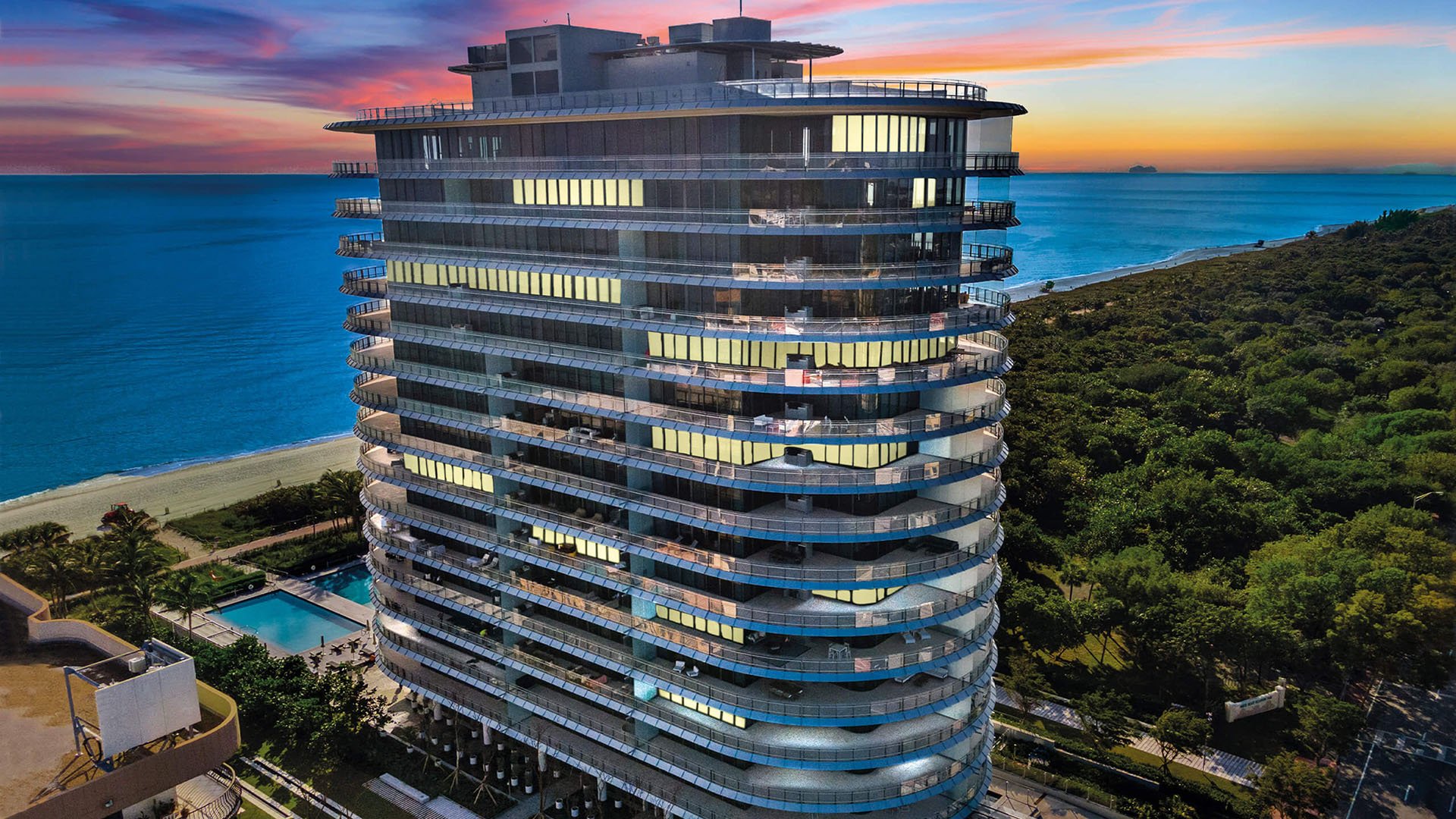
A waterfront home can offer precisely the setting a buyer wants while requiring an entirely different interior. The temptation is to price the acquisition, commission a design, and treat construction as a separate decision. For South Florida buyers, substantial-improvement rules make that sequence risky: a renovation can carry obligations well beyond the rooms being redesigned.
The central benchmark is generally 50% of the existing structure’s market value before work begins. Reaching or exceeding it can require the whole building-not merely the renovated portion-to meet applicable flood-resistant construction requirements. The issue is especially consequential for homes in high-risk flood zones that do not meet current elevation requirements.
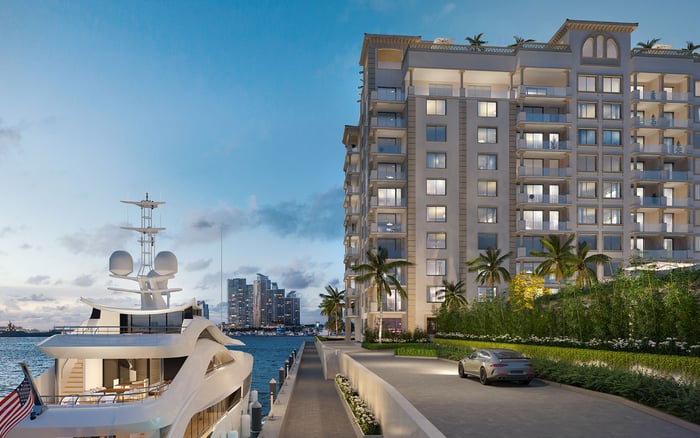
For a Miami Beach buyer weighing a house renovation against a residence at The Perigon Miami Beach, this belongs in the acquisition comparison, not as a post-closing discovery. That comparison should establish what each ownership path requires without assuming anything about an individual property’s compliance.
The denominator is the existing structure’s market value-not automatically the purchase price, and not the combined value of land and building. A valuable site therefore does not necessarily create a correspondingly generous renovation allowance.
Consider two straightforward illustrations. A structure valued at $1 million reaches the 50% benchmark at $500,000 of countable work. A structure valued at $400,000 reaches it at $200,000. In both cases, reaching the benchmark matters; exceeding it is not necessary.
The buyer’s first task is to establish which building-only valuation the local authority will accept. Neither a purchase contract nor an informal estimate should substitute for that determination. Until the valuation and countable scope are established, even a carefully prepared construction estimate cannot resolve the substantial-improvement question.
This is not an automatic requirement to elevate every renovated South Florida home. Applicability depends on flood-hazard status, existing compliance, project costs, and the controlling local rules.
Where the requirements apply, however, the financial exposure can extend beyond an interior remodel. Elevation and other flood-resistant construction measures may enter the scope. Buyers should not assume that floodproofing is an acceptable substitute for elevating a residence; permitted compliance measures require confirmation from the local authority.
Before closing, request the flood-zone designation and available elevation documentation. Ask the relevant building or floodplain officials to explain the property’s existing status and the obligations the proposed work could trigger. The useful answer is property-specific and written-not a general reassurance that similar homes have been renovated nearby.
A renovation’s substantial-improvement calculation can include labor and materials. Flooring, paint, baseboards, cabinets, and drywall can be relevant, so describing a project as cosmetic does not automatically place it outside the calculation.
The treatment of particular nonstructural finishes requires local confirmation. Do not assume that all finishes count or that all are excluded. Ask the design and construction team for a detailed, itemized scope that officials can evaluate.
Local authorities may require construction-cost breakdowns and affidavits from the owner or relevant construction professionals. Establish those documentation requirements before finalizing the budget. Unchanged exterior dimensions are not a reliable dividing line either: the first alteration of a wall, ceiling, floor, or other structural component can constitute the start of substantial improvement.
Separate permits do not necessarily produce separate calculations. Local rules may aggregate improvement costs over a defined period, making previous work relevant to the next owner’s plans.
For a purchase in Miami-Dade, Broward, or Palm Beach County, confirm the applicable aggregation period with the authority governing the property. Do not assume a single statewide lookback period or import another jurisdiction’s approach into the calculation.
Request prior renovation permits, repair history, and a cumulative-cost worksheet covering the applicable local period. Earlier work may affect the remaining allowance even when the proposed renovation appears modest on its own.
Damage history deserves separate attention. A structure that has sustained substantial damage can fall within the substantial-improvement definition regardless of the actual repair work performed. A limited proposed repair budget therefore does not, by itself, resolve the issue.
An effective acquisition model separates purchase price, design and permitting, renovation construction, and potential flood-compliance costs. Combining them into a single remodel allowance can conceal the very exposure the buyer needs to understand.
Purchase price:
Evaluate the acquisition on its own terms, keeping the accepted building-only valuation separate from the negotiated property price.
Design and permitting:
Budget for defining a scope that can be reviewed locally. Ask officials how individual items are treated in the substantial-improvement calculation rather than assuming every budget category receives identical treatment.
Renovation construction:
Obtain an itemized estimate that clearly distinguishes the intended work and supports the required cost review and documentation.
Potential flood compliance:
Identify what would be required if the threshold is reached, then have the relevant professionals price that scenario. Do not assign an arbitrary percentage and assume it captures the obligation.
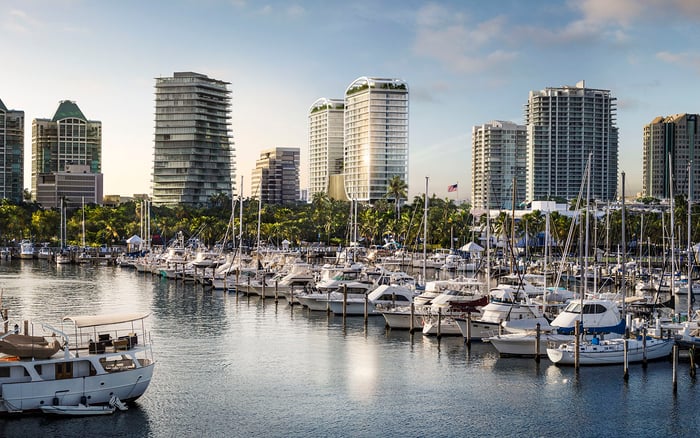
For buyers considering Coconut Grove options such as Four Seasons Residences Coconut Grove alongside a house renovation, these separate components support a clearer comparison. The question is not simply which purchase costs less, but what each option requires to achieve the intended home.
A limited exclusion may apply to work necessary to correct qualifying health, sanitary, or safety violations identified by the building official. It is not a blanket exemption for a larger renovation.
Historic-structure alterations may also qualify for an exception when the work does not preclude continued historic designation. Neither possibility should be assumed from a property’s age, condition, or architectural character alone. Ask officials to confirm whether an exception applies to the specific work.
Before committing to the renovation scope, seek a written local determination addressing the accepted valuation, countable costs, cumulative treatment, and resulting compliance requirements. Have the design and construction team reconcile its estimate with that determination.
A Fort Lauderdale search that includes Sixth & Rio Fort Lauderdale and renovation candidates calls for the same discipline: compare the intended result with the full cost of reaching it. A compelling setting and a beautifully conceived interior remain valuable, but neither replaces a defined compliance budget.
Explore South Florida residences with MILLION and make the full ownership budget part of your next buying decision.
If branded residences are on your mind — as a home or as an allocation — we would be glad to share what we are seeing, privately.
Begin a quiet conversationRepairs, rehabilitation, additions, or other improvements generally meet the definition when their countable cost reaches 50% or more of the structure’s market value before work begins. Applicability and calculation details require local confirmation.
Not automatically: the relevant figure is the existing structure’s market value, excluding land, as accepted by the local authority.
Yes: reaching the applicable threshold can require the entire building, not just the renovated area, to comply with applicable flood-resistant construction requirements.
No: the outcome depends on flood-hazard status, existing compliance, project costs, and governing local requirements.
They can count, along with labor and other materials. Buyers should obtain the governing local treatment rather than assume cosmetic finishes are excluded.
Not necessarily: local rules may aggregate improvement costs over a specified period, so separate permits do not guarantee separate calculations.
No single period should be assumed. Confirm the applicable lookback period with the authority governing the property in Miami-Dade, Broward, or Palm Beach County.
A structure that has sustained substantial damage can fall within the substantial-improvement definition regardless of the actual repair work performed. A small planned repair budget does not necessarily avoid the issue.
Limited exclusions or exceptions may apply to qualifying violations identified by the building official or qualifying historic alterations. Neither provides an automatic exemption for an entire renovation.
Request flood-zone and elevation documentation, an accepted building-only valuation, permit and repair history, and a cumulative-cost worksheet. Seek a written local determination of countable costs and applicable compliance requirements.