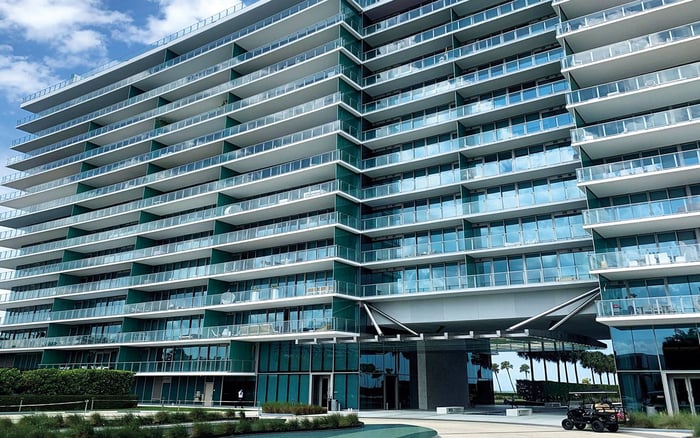
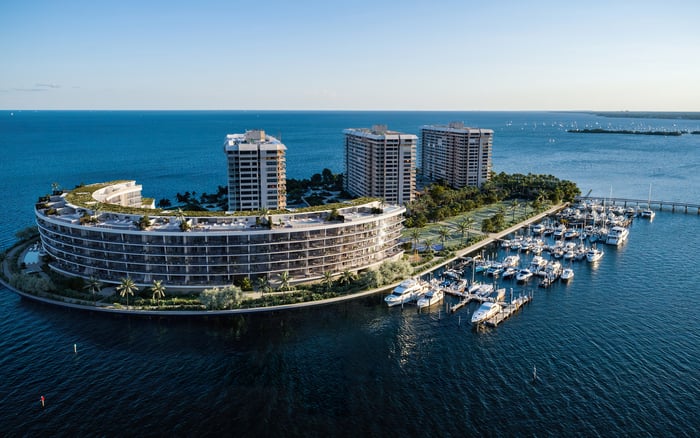
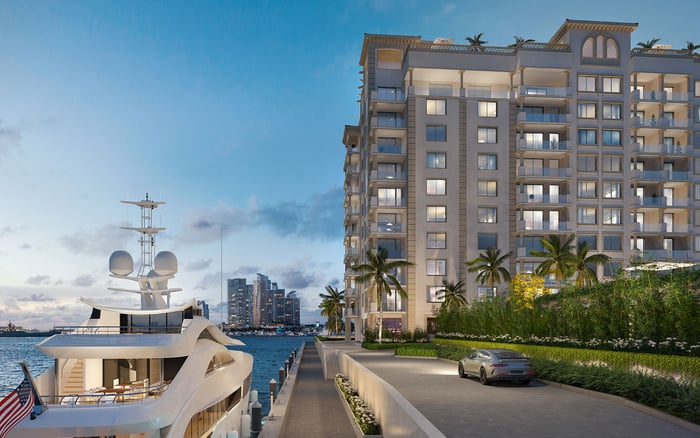
For yacht owners buying in Key Biscayne, confidence should rest on more than a beautiful arrival. Request written humidity guidance, defined absence-care services, documented mold procedures, and measurable emergency-response commitments before committing to an oceanfront condominium.
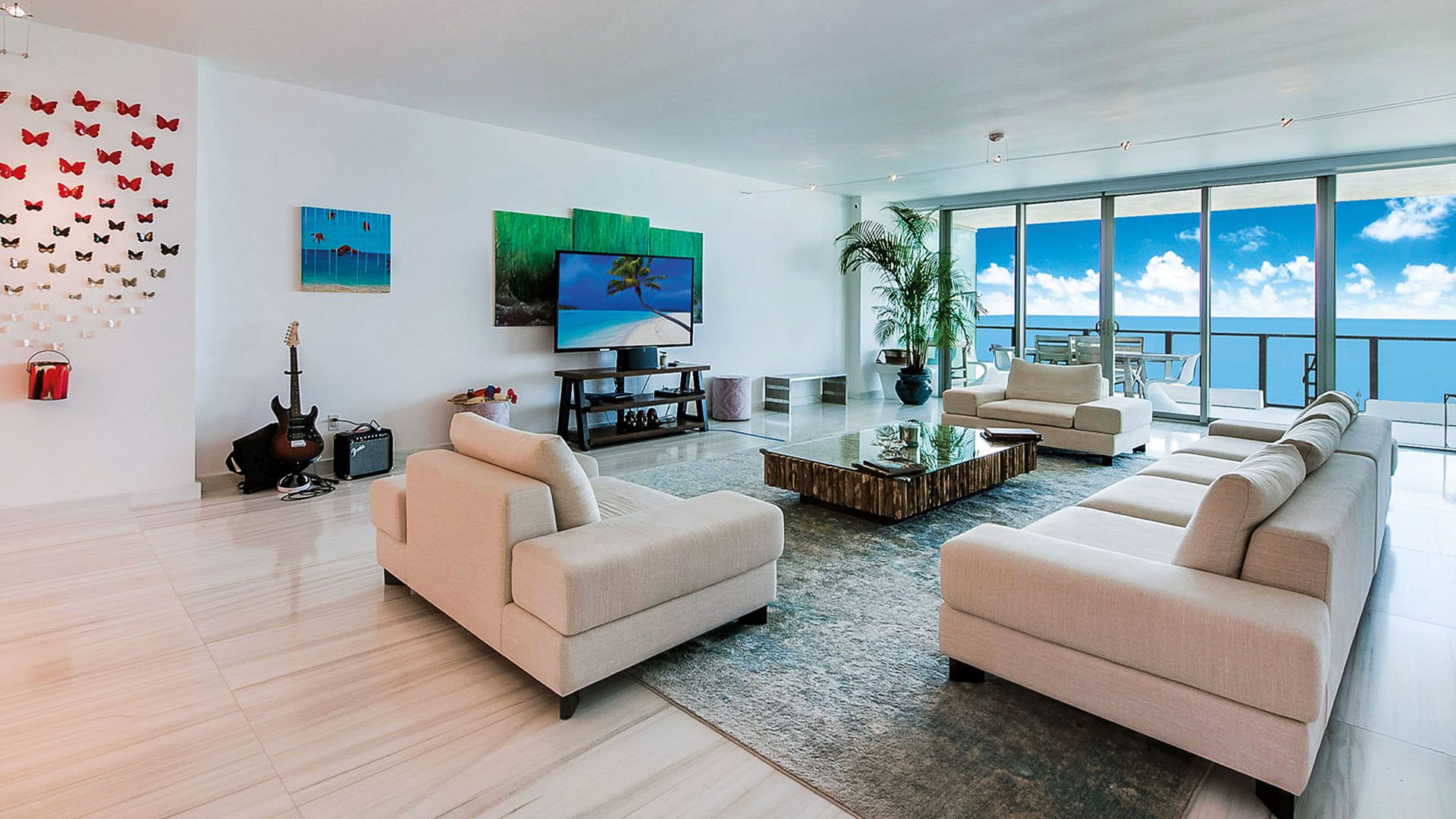
For a yacht owner, the most revealing question about a Key Biscayne condominium is not how gracefully it welcomes you home, but how clearly its operating arrangements protect the residence when you are elsewhere. Summer humidity, an unnoticed leak, and uncertain emergency access deserve the same scrutiny as the view and interior finishes.
The purchase file should therefore include an operating brief, not just an amenities brochure. Whether considering Oceana Key Biscayne or another island residence, request written answers on moisture control, absence care, repair responsibilities, and emergency escalation. These are buyer due-diligence requests-not verified services at any named property or Key Biscayne-specific legal standards.
Ask management for a written indoor-humidity target and ventilation instructions appropriate to the residence. Keeping indoor humidity below 60% is a useful general recommendation, not a guarantee against mold or a substitute for investigating water intrusion. The guidance should also address venting moisture from showering and cooking to the outdoors.
For extended yacht trips, obtain specific instructions for operating air-conditioning, dehumidifiers, and ventilation while the unit is unoccupied. Do not assume ordinary occupied-unit settings are sufficient or accept a universal thermostat setting without unit-specific guidance.
The written plan should identify who checks conditions during an absence and what happens when a concern is detected. Request the building's policies on water shutoffs, leak sensors, and prolonged vacancies, including any arrangements the owner must make before departure. Distinguish recommended precautions from mandatory building rules and from services someone has actually agreed to perform.
An assurance that management will “keep an eye on things” is not an absence-care agreement. Ask whether periodic interior inspections are available, who performs them, what they cover, and how findings reach the owner. Obtain the scope in writing, including whether vendor access coordination is included or must be arranged separately.
Before leaving, establish the authorized contact, access procedure, and escalation process for a suspected leak. Ask what management can initiate if the owner cannot respond immediately. The objective is continuity: a concern should not go unattended because permission or responsibility is unclear.
If your search extends to Coconut Grove and Park Grove Coconut Grove, carry the same questions into that comparison. Evaluate documented absence-care arrangements independently of lifestyle appeal, without assuming any particular project offers them.
An immaculate interior cannot answer questions about the systems surrounding it. Request recent engineering assessments, reserve studies, and repair records covering roofs, exterior walls, waterproofing, windows, and doors. Ask for maintenance allocations and inspection schedules for balconies, pipe chases, and shared HVAC infrastructure as well.
Seek several years of major leak, flooding, and mold records, including incidents affecting the same vertical stack. Look for documentation of completed repairs; a closed correspondence thread is not proof that the underlying condition was resolved.
Relevant board minutes, claims, and correspondence can help identify unresolved water intrusion. Read them alongside the repair documentation: what was identified, what work followed, and what remains outstanding? Repeated discussion without a clear resolution warrants further review with your advisers before purchase.
The association's written procedure should explain how water intrusion is investigated, when licensed mold professionals are engaged, how responsibility is assigned, and how remediation is documented. Cleaning visible mold is not an adequate response if the moisture source remains unresolved.
Ask whether an incident prompts checks of neighboring units, shared walls, and common spaces when appropriate, rather than an inspection confined to the reporting residence. The protocol should explain how findings are shared among management, the owner, contractors, and the relevant insurance contacts.
Owners should report suspected mold or water intrusion promptly in writing, with photographs, dates, locations, and descriptions of moisture or staining. Ask management how the report is tracked and how the owner receives updates. For a buyer also considering 57 Ocean Miami Beach, the same documentation standard offers a useful comparison without implying anything about that property's history or procedures.
Request a written, component-by-component explanation of who maintains, repairs, and insures the relevant parts of the building and residence. These questions are related, but not interchangeable. Maintenance responsibility does not by itself settle coverage or liability for negligence.
Associations generally cannot decline to repair damaged common elements solely because a neighboring owner or contractor caused the damage. The declaration nevertheless requires careful review: maintenance duties for limited common elements can be allocated differently. Do not assume every balcony component belongs to the owner or that the association always pays for interior drywall.
Obtain the master policy and proposed HO-6 terms. Mold coverage under HO-6 policies often carries limits of $5,000-$10,000 unless increased, but the actual policy controls. Have your insurance adviser identify the applicable coverage, limits, and exclusions rather than relying on that range.
Ask how the handling of sudden insured losses differs from that of chronic maintenance-related moisture. Establish who coordinates claims and restoration when a common-element leak affects unit interiors, including drying, reconstruction, finishes, and contents. Do not assume HO-6 automatically covers every interior expense.
Ask management to specify commitments for acknowledging a leak, inspecting the residence, starting drying, and providing remediation updates. Treat these as requested operating commitments, not universal Florida statutory deadlines.
Obtain the emergency restoration, plumbing, roofing, and mold-vendor roster, along with documented after-hours availability and response commitments. A contractor's name is less useful than a clear explanation of who calls, who authorizes access, and how an unresolved request escalates.
Request the written hurricane-readiness plan covering glazing or shutters, drainage, pumps, backup power, flood protection, and post-storm moisture inspections. Clarify which preparations fall to management and which require owner action before departure. Keep residential protection separate from vessel protection: oceanfront condo ownership does not establish marina services, boat protection, or yacht emergency response.
Before committing, assemble the humidity guidance, absence-care scope, incident history, repair allocations, insurance terms, and emergency plan into one review file. Have legal, insurance, and technical advisers examine the material relevant to their expertise. Unclear answers call for follow-up, not assumptions based on the building's presentation.
For an owner who travels by yacht, the strongest ownership proposition is a residence supported by responsibilities that remain clear in the owner's absence. Written procedures cannot promise a trouble-free summer, but they give the buyer a more disciplined basis for a decision.
Explore South Florida residences with MILLION and bring this operating checklist to your next private viewing.
If branded residences are on your mind — as a home or as an allocation — we would be glad to share what we are seeing, privately.
Begin a quiet conversationRequest a written indoor-humidity target and ventilation instructions. Keeping humidity below 60% is a general recommendation, not a guarantee against mold.
Obtain written guidance for air-conditioning, dehumidifiers, and ventilation while the residence is unoccupied. Do not assume occupied-unit settings are sufficient.
Do not assume it does. Confirm whether periodic inspections and vendor access coordination are provided, and obtain the service scope in writing.
Ask about policies for water shutoffs, leak sensors, and prolonged vacancies. Confirm which arrangements the owner must complete before departure.
Request engineering assessments, reserve studies, envelope repair records, and several years of major leak, flooding, and mold history. Include incidents affecting the same vertical stack and evidence of completed repairs.
It should cover moisture-source investigation, licensed mold professionals, responsibility allocation, and remediation documentation. Ask when neighboring units and shared spaces are inspected.
Report it promptly in writing with photographs, dates, locations, and descriptions of moisture or staining. Ask how management tracks the matter and communicates updates.
No blanket allocation applies. Maintenance duties, repair obligations, insurance coverage, and negligence liability require separate review of the circumstances, governing documents, and policies.
HO-6 mold coverage often has limits of $5,000–$10,000 unless increased, but the individual policy controls. Review actual terms with an insurance adviser.
Seek written commitments for acknowledgment, inspection, drying, and updates, plus documented after-hours vendor availability. Treat these as requested operating commitments rather than universal statutory deadlines.