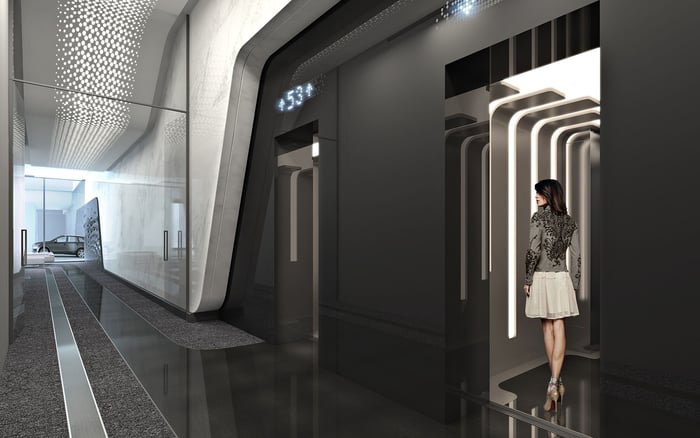
A buyer-focused review of retail adjacency, permanent delivery routes, valet operations, and residential privacy at Waldorf Astoria Residences Downtown Miami, with an emphasis on written plans and contractual disclosures.
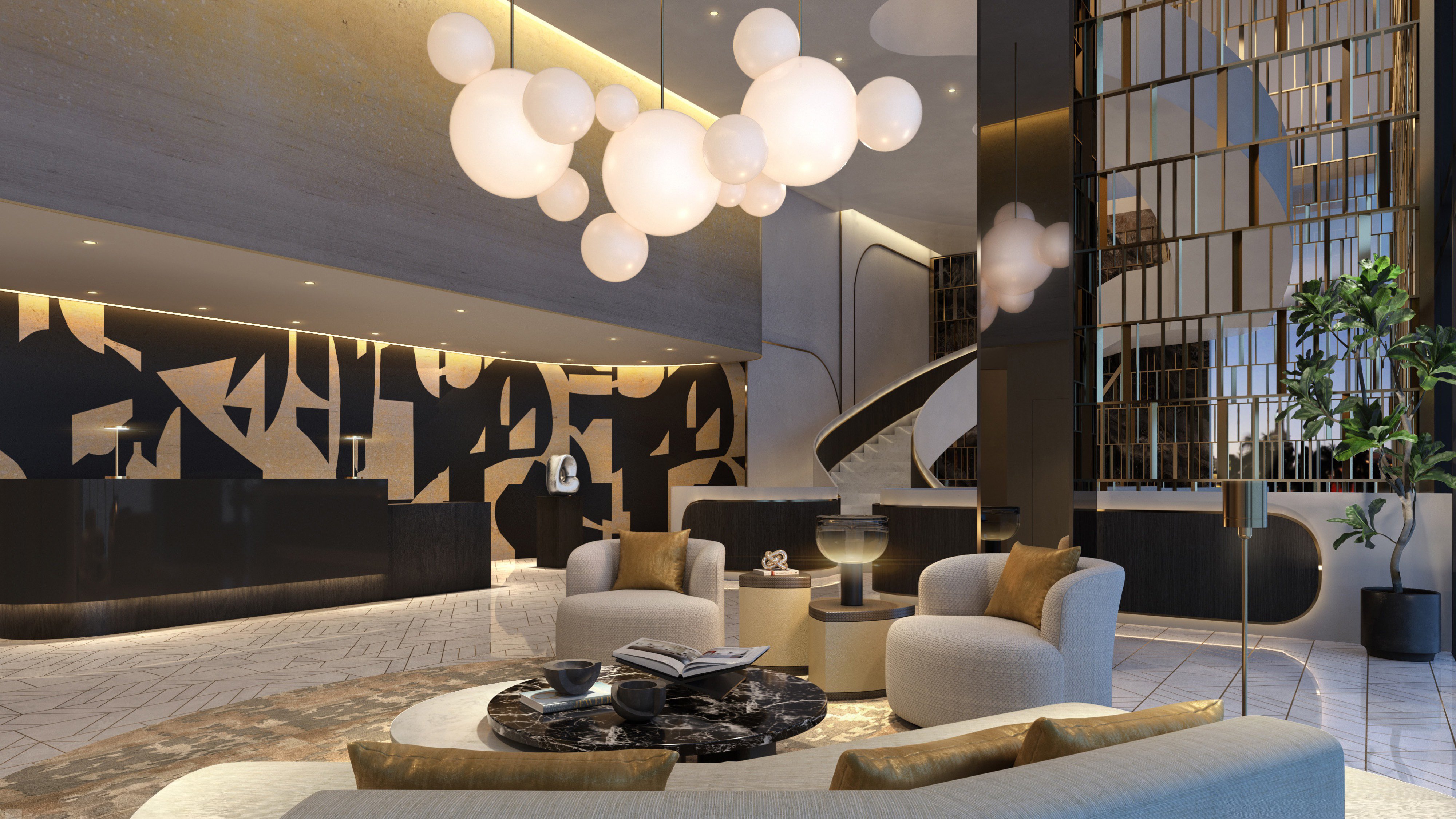
At Waldorf Astoria Residences Downtown Miami, a buyer's privacy review should begin before the lobby. The address is 300 Biscayne Boulevard in Downtown Miami, across from Biscayne Bay. The current offering comprises 360 private residences with fully finished one- through four-bedroom layouts. For an owner who values discretion, however, the decisive questions concern the approach: who shares it, where vehicles wait, and how deliveries enter the building.
A private porte cochère, 24-hour valet service, and a private residential entry are advertised. These are meaningful features, but they do not, by themselves, establish physically separate driveway lanes, curb access, or valet staging.
A private entry does not necessarily mean a private vehicle route.
The objective is not to assume friction, but to understand precisely how residential arrival is intended to function alongside the building's other proposed uses.
The proposed mixed-use program includes residences, hotel rooms, retail space, and amenities. Its count of 461 residential units differs from the 360 residences currently offered. That discrepancy means the proposed program cannot serve as confirmation of the final development configuration.
Start by requesting the latest approved ground-floor, circulation, and loading plans, together with the applicable written development disclosures. Ask which drawings reflect the configuration being offered to purchasers and which remain subject to revision. The distinction matters: an entrance or service corridor shown in an earlier application may not establish the arrangement relevant to your purchase.
For buyers also considering Aston Martin Residences Downtown Miami, apply the same document-first test to each property. Compare documented access arrangements rather than assuming that one address offers greater privacy than another.
Retail space is part of the proposed program. Final tenants, operating hours, and storefront locations remain unconfirmed here. Restaurant operations should therefore remain a question, not a presumed building feature.
Request a ground-floor drawing identifying the residential entrance, hotel entrance, proposed storefronts, pedestrian paths, and service doors. Have the sales team mark the route from curb to residential lobby and explain whether retail visitors could pass through any part of that approach.
Then ask how future retail operations would be governed. Relevant questions include permitted operating hours, customer queues, outdoor activity if contemplated, and the location of refuse handling. These are verification requests, not confirmed conditions. If the tenant mix remains unresolved, ask which written restrictions would protect the residential experience regardless of the eventual operator.
Retail adjacency requires two separate reviews: the public-facing entrance and the back-of-house service route. A storefront positioned away from the lobby does not, on its own, establish where its deliveries would travel.
Evaluate the advertised private residential entry as one element of the complete arrival sequence. Ask for a circulation diagram showing the residential approach alongside hotel taxis, rideshares, potential event vehicles, and service trucks. Determine whether those routes cross, merge, or queue beside the residential route.
Valet parking is advertised as included, but vehicle limits, stacking capacity, and peak-period waiting times remain unconfirmed here. Request written clarification of vehicle allowances, applicable charges or restrictions, and where cars wait before collection or parking.
For buyers cross-shopping One Thousand Museum Downtown Miami, request equivalent arrival information rather than infer operational differences from design or branding. Apply the same questions to both: where does the resident stop, who else uses that space, and what happens when several vehicles arrive together?
If the final operation cannot yet be observed, ask for the proposed management procedures. Treat them as proposals unless their status is established in the purchase documents.
The permanent loading and service plan is central to this review. Loading locations and delivery hours for the proposed hotel and retail components remain unconfirmed here. Request those details rather than assuming service traffic is fully separated from residential arrival.
Ask where trucks enter, unload, wait, and leave. Clarify whether unloading requires a vehicle to pause near the residential approach and how simultaneous deliveries would be managed. Where relevant, ask about service-elevator connections and movement from the loading area to the intended destination.
Construction logistics require a separate inquiry. Current construction truck routes, staging arrangements, and delivery restrictions are not established here. A temporary site arrangement is not evidence of the completed building's permanent circulation. Equally, a permanent loading drawing does not answer construction-period access questions.
Package delivery service is advertised among the residential services. That establishes an offered service, not a physical receiving route. Ask whether residential parcels arrive at a dedicated receiving room or pass through a shared hotel or loading facility.
Clarify who receives packages, how residents are notified, and how couriers reach the handoff point. For an owner expecting larger deliveries, request the intended procedures for furniture and other oversized items, including any scheduling requirements. Confirm these operational details rather than infer them from the service description.
A private residential pool deck is also advertised. Review how residents reach it and which access controls distinguish residential amenities from other building uses. Ask whether any shared circulation leads to the deck and how guest access is intended to work. The word private should translate into a clear access policy and physical route.
Before committing, bring the approved plans, relevant disclosures, purchase contract, and written operational responses into a single review with your legal adviser. Mark each material concern as documented, proposed, or unresolved. Prioritize retail entrances, loading access, hotel crossings, valet staging, package receiving, and amenity access.
Oral representations cannot be relied upon. Compare every material assurance about arrival, access, valet, and amenities with the purchase contract and applicable written disclosures. Ask your adviser how changes to the program or operations could affect the protections you consider essential.
The purchase decision should rest on documented arrangements that meet your expectations, with unresolved points clearly understood before commitment. For discreet guidance on your South Florida residential search, explore MILLION.
If branded residences are on your mind — as a home or as an allocation — we would be glad to share what we are seeing, privately.
Begin a quiet conversationThe project is located at 300 Biscayne Boulevard in Downtown Miami, across from Biscayne Bay.
Current marketing presents 360 private residences with fully finished one- through four-bedroom layouts. The planning material's different residential count should not be treated as confirmation of the final program.
No. Buyers should verify whether driveway lanes, curb access, and valet staging are physically separate from hotel and retail traffic.
The supplied details establish proposed retail space, but not final tenants, operating hours, or storefront locations. Request the latest approved plans and applicable written restrictions.
A private porte cochère with 24-hour valet service and included valet parking is advertised. Vehicle limits, stacking capacity, and peak-period waiting times still require clarification.
Request diagrams showing whether hotel taxis, rideshares, potential event vehicles, and service trucks cross or share the residential approach.
Request the permanent loading and service plan, including loading locations, vehicle routes, and delivery hours. The supplied planning summary does not establish those operational details.
No. The service is advertised, but buyers should ask whether residential packages use dedicated receiving facilities or a shared hotel or loading area.
Review the route to the deck, access controls, and intended guest policies. The advertised private deck does not by itself establish every detail of operational separation.
Oral representations cannot be relied upon. Compare material assurances with the purchase contract and applicable written disclosures, with guidance from your legal adviser.