At Rosewood Residences Hillsboro Beach, the essential buying questions extend beyond amenities to written service obligations, unattended-residence protocols, and the authority to act in an emergency.
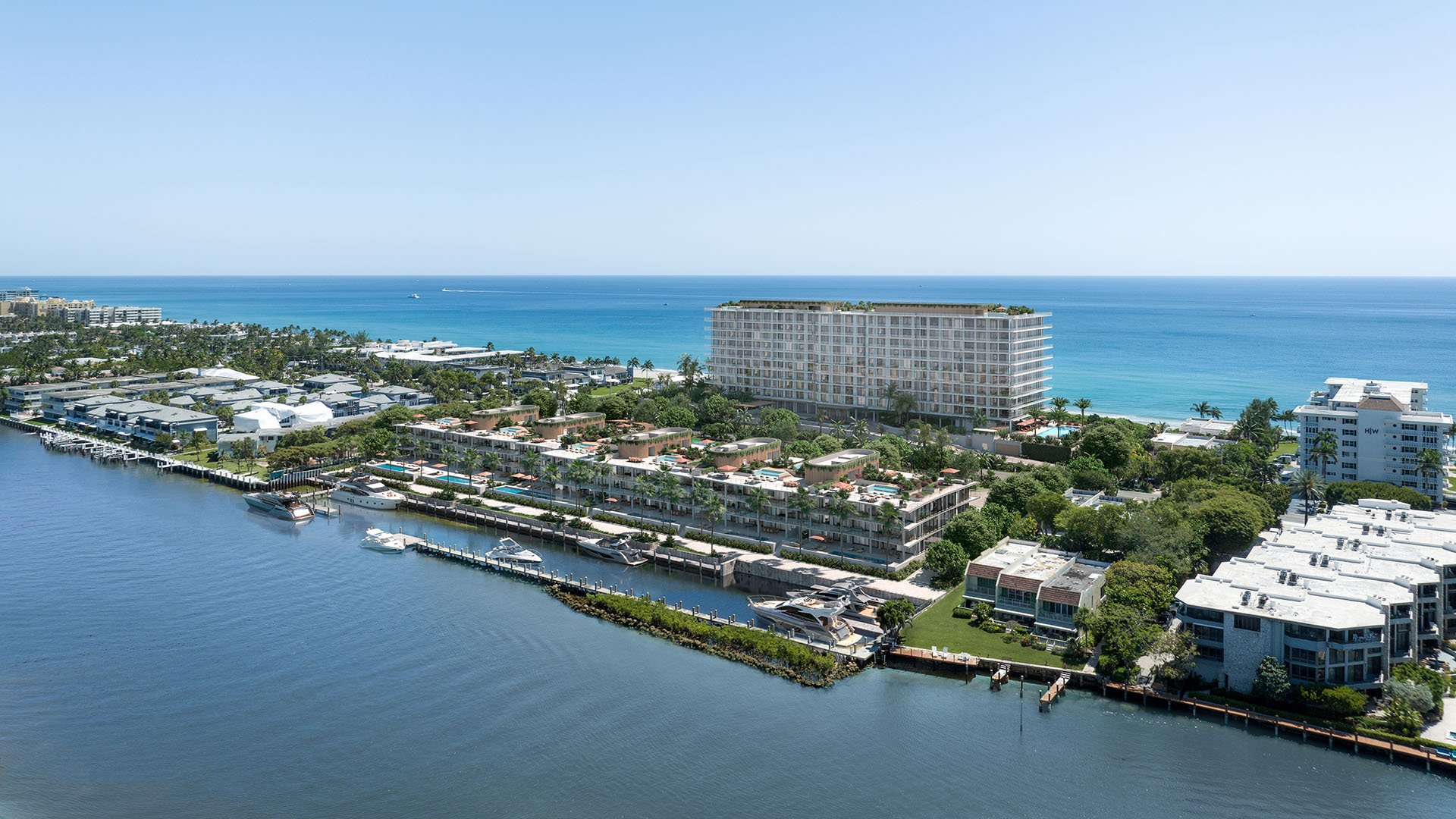
The most meaningful luxury in a second residence is confidence that someone knows what to do when you are elsewhere. At Rosewood Residences Hillsboro Beach, that confidence should rest on written responsibilities, not simply an appealing service menu.
Marketed at 1180 Hillsboro Mile, Hillsboro Beach, Florida 33062, the offering comprises 92 condominium residences and villas. Advertised services include residential butlers, a dedicated concierge, and home-management assistance. Pools, wellness facilities, beach services, dining, and marina facilities round out the amenities.
These offerings present a compelling lifestyle. They do not, by themselves, establish who must inspect an empty residence, approve an urgent repair, or accept responsibility for a contractor’s work. An unmentioned protocol is not necessarily an absent one. Buyers should obtain the governing terms before relying on it.
Begin with a written service matrix. For each offering, request the provider’s legal identity, supervisor, precise scope, operating hours, fee, response standard, liability allocation, and escalation route. Distinguish Rosewood, the condominium association, the property manager, affiliates, and independent contractors rather than treating them as one entity.
Advertised home-management services cover cleaning, maintenance, floral arrangements, and pantry stocking. The à-la-carte offering calls for third-party providers at an additional fee. Coordination should not be mistaken for responsibility for workmanship.
For maintenance, distinguish arranging a technician from inspecting the issue, approving work, supervising access, and verifying completion. For cleaning, establish whether staff perform only the scheduled task or also document visible concerns. Request an explicit schedule of exclusions and identify which costs fall within assessments and which are separate owner charges.
If your search also includes Four Seasons Hotel & Private Residences Fort Lauderdale, use the same matrix there. Compare documented obligations, not the familiarity of hospitality names.
The advertised menu includes 24-hour security and valet service. That does not establish equivalent round-the-clock coverage for butlers, concierge assistance, maintenance coordination, or private-residence inspections.
Ask whether the governing agreements establish guaranteed response times, staffing ratios, minimum butler or concierge coverage, or entitlement to a particular employee. Request the actual coverage schedule, including evenings, holidays, staff absences, and backup personnel.
Distinguish acknowledgment from action. A promptly answered call does not necessarily mean a technician has been dispatched; dispatch does not necessarily mean a repair has been authorized. Request separate standards for receiving a concern, assessing it, notifying the owner, and arranging intervention. Confirm who takes responsibility for unresolved matters at a shift change.
Before treating residence management as an absence-care arrangement, request a specific unattended-residence protocol rather than assuming one is included. A buyer’s proposed plan should address:
Scheduled vacant-unit inspections, with frequency, scope, and a record of completion.
Leak and humidity monitoring, including who receives alerts and follows up.
Power-loss alerts and procedures when monitoring or communication is interrupted.
Contractor access, identity verification, supervision, and completion documentation.
Storm preparation, post-storm inspections, and alternate emergency contacts.
These are verification requests, not established Rosewood service commitments. Ask which checks are included, which require enrollment, and which incur additional charges. If monitoring depends on owner-installed equipment, clarify who maintains it and whether staff are obliged to act on its notifications.
Request a sample inspection record and owner-notification template. Both help distinguish a documented inspection process from informal assurances. The protocol should also identify the backup contact when the owner is traveling or unreachable.
An on-site general manager is among the planned services. Ask for written confirmation of that role’s authority over association operations, vendor contracts, owner charges, emergency spending, and building systems.
Advertised security alone does not establish who may authorize emergency residence entry, utility shutoffs, evacuation, or emergency repairs. Obtain a written decision tree identifying the responsible role, its authority, and the approval threshold for each action.
Ask for spending caps, circumstances permitting action without advance owner consent, and the distinction between immediate protective measures and subsequent restoration. Confirm who can engage a contractor, approve expanded work, and charge the owner. Have counsel assess those provisions against applicable law and the governing documents.
Access procedures deserve equal attention. Request identity-verification requirements, locksmith procedures, entry documentation, owner-notification steps, and post-entry reporting. Clarify the escalation path when instructions from an owner, board, manager, brand representative, or emergency responder conflict. A title alone is not a complete delegation of authority.
Ask management to walk through a hypothetical leak alert while you are abroad and cannot answer. Who receives the alert? Who checks the residence? Who authorizes entry, arranges any appropriate shutoff, and approves urgent work?
Then request the documentary basis for each answer, including any guaranteed emergency response time, manager spending limit, and emergency decision tree. A walkthrough is useful only if each answer leads back to written authority, coverage arrangements, and reporting obligations.
For a buyer also considering The Residences at Mandarin Oriental Boca Raton, the same hypothetical provides a consistent comparison without assuming either property follows the other’s procedures.
A house car and in-residence dining and catering from the on-site restaurant are part of the advertised offering. Their practical value depends on operating terms buyers should confirm in writing.
For the house car, verify reservations, geographic limits, hours, capacity, and whether any emergency priority exists. Do not build an emergency transport plan around an unconfirmed service. For dining, request hours, delivery charges, minimum orders, cancellation rules, and responsibility for food-service incidents.
Marina access warrants separate document review alongside the other shared amenities. Ask counsel to identify which agreements govern use, fees, restrictions, and responsibilities. Do not assume a residence-management arrangement also governs every amenity.
Have Florida condominium counsel compare the advertised offering with the declaration, bylaws, rules, purchase agreement, budgets, and applicable management, brand, amenity, marina, and vendor agreements. Request written clarification wherever service descriptions and contractual obligations do not align.
The essential deliverables are a service matrix, an absence-care protocol, and an emergency-authority schedule, each tied to its governing document. Together, they should explain what happens, who acts, what it costs, and where responsibility rests. That clarity is the foundation of genuinely effortless ownership.
For a considered approach to South Florida residential ownership, explore MILLION.
If branded residences are on your mind — as a home or as an allocation — we would be glad to share what we are seeing, privately.
Begin a quiet conversationThe project is marketed at 1180 Hillsboro Mile, Hillsboro Beach, Florida 33062.
The residential offering comprises 92 condominium residences and villas.
The advertised offering includes cleaning, maintenance, floral arrangements, and pantry stocking. Buyers should verify each service’s scope, provider, hours, and charges.
The advertised menu includes 24-hour security and valet service. That does not establish equivalent coverage for every residence service.
The à-la-carte offering is described as being performed by third-party providers for an additional fee. Buyers should distinguish coordination from responsibility for the work.
No; request a written protocol covering inspection frequency, monitoring, access, and owner notifications. Confirm which checks are included and which require enrollment or additional charges.
Confirm who may authorize residence entry, utility shutoffs, repairs, spending, and owner charges. Request approval thresholds, spending caps, and an escalation path.
A title alone does not establish the scope of emergency spending authority. Buyers should obtain the written allocation of authority and have counsel review it.
Request reservation rules, geographic limits, operating hours, capacity, and any emergency priority. Do not rely on it for emergency transportation without confirmed terms.
Counsel should compare the advertised services with the declaration, bylaws, rules, purchase agreement, budgets, and applicable management, brand, amenity, marina, and vendor agreements.