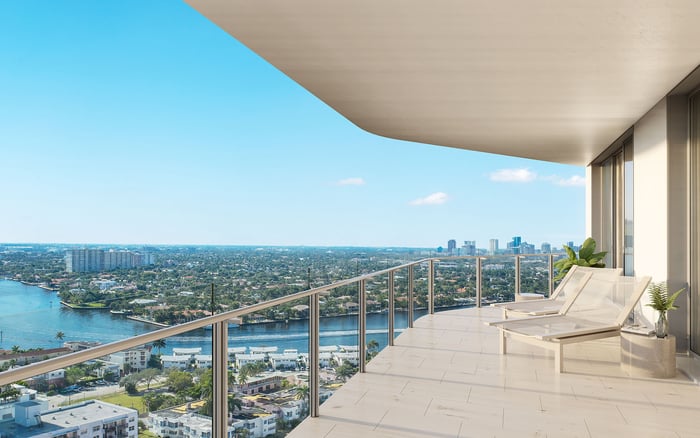
A disciplined review of The Lincoln Coconut Grove should look beyond headline price per square foot to recurring fees, service hours, staffing assumptions, reserves, insurance, upgrades, and residence-specific deposit terms.
Cost per square foot is useful for normalizing asking prices, but it is not a complete measure of luxury condominium ownership. It reveals nothing about lobby staffing hours, whether valet is bundled into common charges, how reserves are funded, or which owner expenses fall outside the association fee.
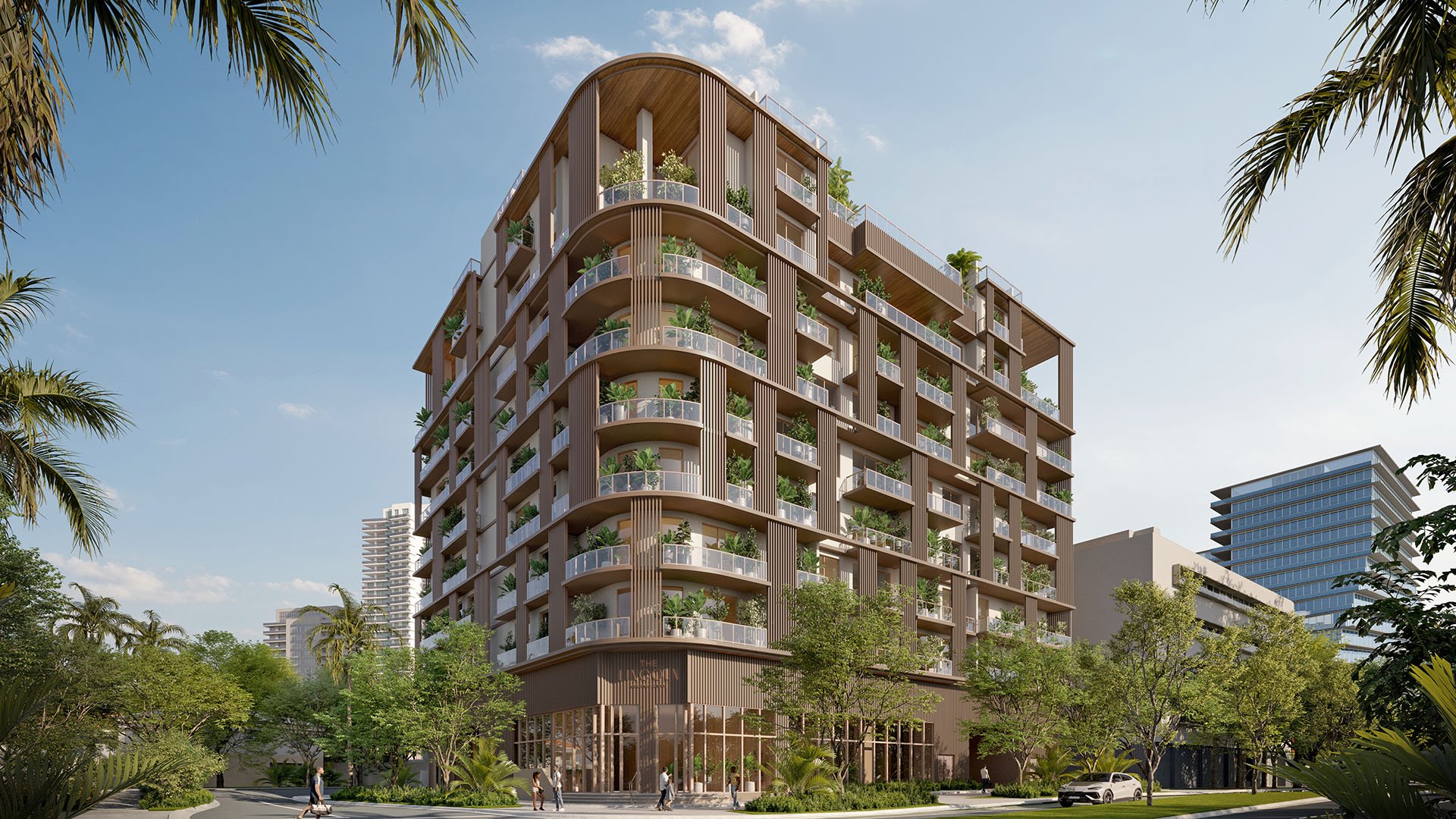
That distinction is especially important at The Lincoln Coconut Grove, planned as an eight-floor, 48-residence boutique condominium at 2650 Lincoln Avenue. The offering has been marketed with one- to four-bedroom homes, optional dens in select layouts, and multilevel penthouses. For buyers organizing their research, The Lincoln Coconut Grove sits at the intersection of the Boutique, Pre-Construction, and Pricing & Trends categories within Coconut Grove.
A lower headline ratio can conceal a more expensive operating model.
Early pricing placed much of the core inventory between approximately $1.8 million and $2.6 million, with larger homes and penthouses positioned higher. A four-bedroom-plus-den offering was advertised from approximately $3.5 million, while Residence 405 carried an advertised asking price of $3.68 million. These figures provide context, but none should replace the current, date-stamped inventory and price schedule for the residence under consideration.
Individual examples illustrate both the appeal and the limits of the metric. Residence 603 was marketed as a 1,221-square-foot, one-bedroom home at $1.89 million, or approximately $1,548 per square foot. A two-bedroom example measured 1,591 square feet and was priced at $2.53 million, or approximately $1,590 per square foot. Project sizing has also ranged from approximately 1,323 to 3,073 square feet, making residence-specific documentation essential.
Before comparing two homes, confirm the square-footage convention used in each calculation. Then identify premiums attributable to floor, exposure, terrace configuration, parking, storage, layout, optional features, or upgrades. Advertised prices exclude optional features and premiums for upgraded residences, so the apparent ratio may not reflect the ultimate contract price or full delivered specification.
This is also why comparisons with nearby luxury offerings require discipline. Four Seasons Residences Coconut Grove may prompt a buyer to examine service expectations closely, while The Well Coconut Grove can frame a different amenity and lifestyle proposition. These are not interchangeable products. The meaningful comparison is not merely price divided by area, but total acquisition and ownership cost aligned with the services the buyer will actually use.
Two residence-specific snapshots quoted monthly association fees of $2,113 for Residence 302 and $2,180 for Residence 406. These are useful reference points, not a complete residence-by-residence fee schedule. A buyer should request the current schedule for the selected home and confirm whether the charge is calculated by unit, ownership percentage, area, or another method stated in the condominium documents.
Next, separate included services from owner-paid extras. The review should identify how valet, parking, storage, internet, utilities, amenity staffing, management, and reserve contributions are treated. A fee that initially appears elevated may bundle meaningful services. A lower fee may exclude recurring items or depend on leaner staffing. Neither conclusion can be drawn from the monthly figure alone.
Service hours warrant equal scrutiny. Request a written matrix covering lobby coverage, management availability, valet operations, amenity support, maintenance response, and any overnight staffing. Marketing language can evoke a luxury atmosphere, but an operating schedule shows how that promise functions on an ordinary Tuesday evening.
In a 48-residence building, staffing decisions can be highly visible. A more comprehensive team can create continuity, privacy, and ease, but payroll and vendor contracts must be supported by a relatively limited owner base. A lean plan may control recurring charges, yet it can also affect response times and the lived experience.
Request the proposed staffing plan, service-hours matrix, management agreement, and any relevant vendor arrangements available for review. Determine which positions are held by employees, which functions are outsourced, and whether current figures represent opening assumptions or a stabilized operating plan. Buyers should also ask how vacancies, wage changes, expanded hours, or vendor repricing would be addressed under the governing documents and future budgets.
The same framework applies when considering another intimate Grove development such as Ziggurat Coconut Grove. Boutique scale is a quality, not an automatic guarantee of lower carrying costs. Fewer residences can support discretion, but fixed costs are also shared among fewer owners.
Reserve exposure is not captured by cost per square foot, nor can it be evaluated from two association-fee examples. Buyers should request the current operating budget, reserve contribution schedule, any available reserve study, and the master-insurance summary. The objective is to understand what routine charges fund, what may be deferred, and what authority exists to levy assessments.
Review the assumptions behind major building systems, common-area maintenance, insurance deductibles, and replacement planning. Confirm whether reserve contributions are included in the quoted monthly fee or collected separately. Counsel should reconcile these materials with the declaration, bylaws, purchase agreement, and other governing documents, paying particular attention to assessment authority and owner obligations.
This exercise is not about predicting a future assessment. It is about identifying who bears the cost if the original operating or reserve assumptions change. In a high-design condominium, finish quality and service ambition can both shape long-term maintenance requirements, even when the initial asking price appears competitive.
Deposit structures have varied. One called for 20% at contract, 10% at groundbreaking, 10% at the fifth-floor concrete pour, and 60% at closing. Another required 10% at contract, 10% after 60 days, 10% at groundbreaking, 10% at top-off, and 60% at closing.
Both structures reach 40% before closing and 60% at closing, but their interim timing differs. Buyers should rely only on the schedule attached to the selected residence’s current contract package. With counsel, confirm milestone definitions, notice procedures, permitted changes, default provisions, and the treatment of any upgrade deposits. Liquidity planning should follow binding dates, not an older marketing summary.
A well-structured buyer’s review should consolidate the current inventory sheet, residence plan, price sheet, fee schedule, inclusions and exclusions, operating budget, reserve materials, insurance summary, staffing plan, service-hours matrix, management agreement, deposit schedule, and governing documents in one file. Every statement about parking, storage, valet, utilities, internet, rental restrictions, or upgrades should be matched to controlling language.
The final decision may still favor the residence with the higher price per square foot. It may offer a more suitable layout, a more complete service model, or fewer unbundled costs. The point is not to dismiss the metric, but to keep it in its proper place: at the beginning of valuation, never at the end of diligence.
For private guidance on evaluating the current offering and residence-specific documents, connect with MILLION.
If branded residences are on your mind — as a home or as an allocation — we would be glad to share what we are seeing, privately.
Begin a quiet conversationIt normalizes asking price but does not reveal fee inclusions, staffing levels, service hours, reserves, insurance, or optional upgrade costs.
The Lincoln is planned as an eight-floor boutique condominium with 48 residences.
The project has been marketed with one- to four-bedroom residences, optional dens in some layouts, and multilevel penthouses.
Residence-specific snapshots quoted $2,113 monthly for Residence 302 and $2,180 monthly for Residence 406. Buyers should obtain the complete current fee schedule.
Confirm the treatment of valet, parking, storage, internet, utilities, amenity staffing, management, insurance, and reserve contributions.
Request the proposed staffing plan, service-hours matrix, management agreement, and available vendor arrangements.
Review the current operating budget, reserve contribution schedule, any available reserve study, master-insurance summary, and assessment provisions.
No. Advertised prices exclude optional features and premiums for upgraded residences, so the final contract price may be higher.
No. Two published structures reach 40% before closing and 60% at closing, but their interim payment timing differs.
Only the current schedule attached to the selected residence's contract package should guide liquidity planning and payment timing.