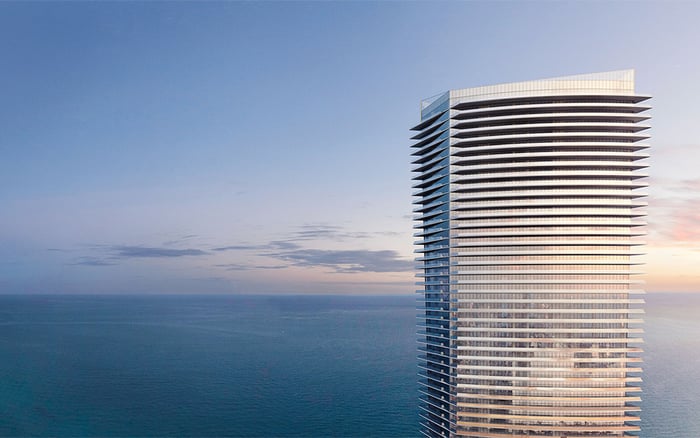
At Jade Signature, waterfront diligence should begin with the legal and physical nature of the shoreline, not assumptions attached to an oceanfront address. Buyers should verify coastal structures, ownership, reserves, assessments, and the absence or presence of any dredging or dock obligation before closing.
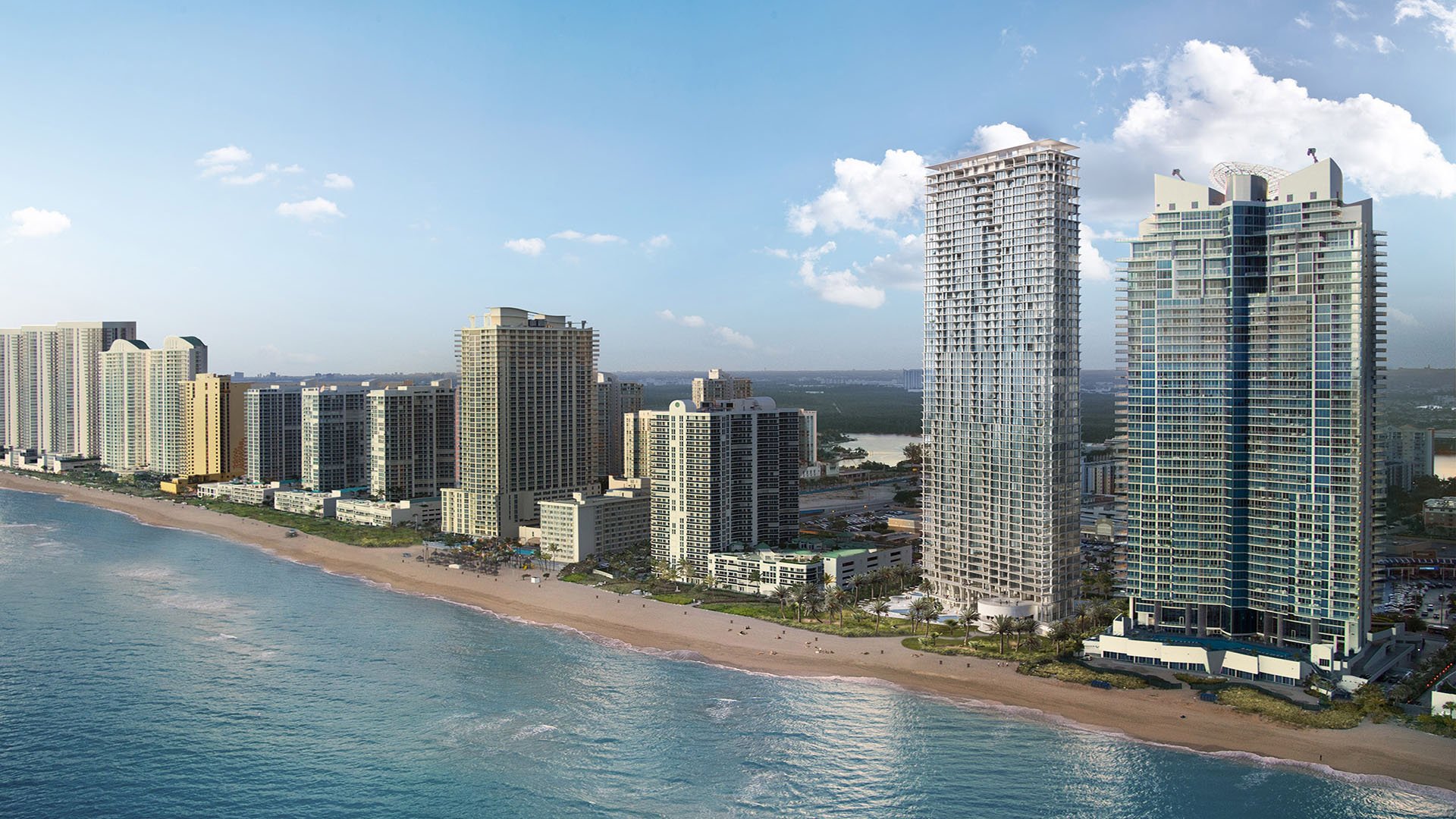
At 16901 Collins Avenue, Jade Signature Sunny Isles Beach is a 63-story condominium occupying approximately 300 feet of Atlantic Ocean frontage. That physical context matters. Its primary exposure is beachfront, not a canal or yacht basin, and its amenities emphasize ocean views and beachfront living rather than an on-site marina or private dockage.
For a buyer, the distinction is more than semantic. A building beside navigable water may face recurring dredging, piling, dock, electrical, and marine-access expenses. An oceanfront condominium may instead encounter beach erosion, retaining structures, shoreline stabilization, sand placement, access infrastructure, and coastal permitting. Both are waterfront concerns, but they create different obligations and cost profiles.
Waterfront diligence begins with ownership, scope, and allocation, not the view.
Prospective owners comparing Jade Ocean Sunny Isles Beach, Armani Casa Sunny Isles Beach, or other Collins Avenue residences should apply the same rule: never infer a property's marine liabilities from its address, branding, or proximity to water. Each condominium's recorded documents and physical conditions control.
It has not been established whether Jade Signature has a seawall, revetment, retaining wall, below-grade coastal structure, or another form of shoreline stabilization. Nor has the condition, ownership, or remaining service life of any such feature been established. These are transaction-level questions requiring building documents, title review, and appropriate inspections.
Start with the condominium declaration and all amendments. Then examine recorded plats, title materials, easements, surveys, and any agreements affecting the oceanfront parcel. The objective is to determine whether a coastal structure exists and, if so, whether it belongs to the condominium association, an adjacent parcel, or a government entity. The documents should also reveal whether access, repair, replacement, or cost-sharing rights cross property lines.
As a general Florida principle, responsibility often follows ownership of the waterfront property protected by the structure, subject to deeds, covenants, easements, and local requirements. In a condominium, a seawall designated as a common element may become an association obligation. Its cost can then reach owners through operating charges, reserve contributions, or a special assessment, based on the allocation formula in the governing documents.
A visual walkthrough is not enough. Request structural and coastal engineering materials addressing retaining walls, erosion, below-grade elements, shoreline protection, and remaining service life. If the files identify a structure but do not provide a recent condition analysis, buyers should discuss the appropriate inspection scope with qualified advisers before the contractual diligence period expires.
Repair or reconstruction of existing seawalls in Sunny Isles Beach must be accompanied by beach fill. If that rule applies to a confirmed structure and contemplated project, the budget may extend beyond concrete or structural work. Sand placement, coastal coordination, design, access, and related permitting can enlarge the undertaking.
This makes project scope as important as the headline estimate. A narrow repair allowance may not capture associated beach-fill work or the coordination necessary to complete it. Buyers should compare engineering recommendations with the association's budget, reserve schedule, bids, regulatory correspondence, and any pending-project notices. Any gap between projected scope and available funds deserves careful explanation.
Beach-access infrastructure warrants similar attention. Beach access may sound like an amenity category, yet stairs, paths, gates, retaining components, and adjacent erosion-control work may carry practical maintenance implications. A sophisticated review separates the lifestyle value of direct sand access from the capital systems that support it.
Jade Signature's amenities do not include a marina or docks. Buyers therefore should not presume that routine private-dock maintenance, canal dredging, or individual slip expenses apply. Equally, they should not treat the absence of those features from marketing materials as a legal conclusion.
Ask the association to identify any recorded dredging covenant, submerged-land interest, marine easement, dock license, shared coastal agreement, or obligation benefiting another parcel. Confirm the answer against the declaration, amendments, plats, title materials, and association correspondence. If no such right or obligation exists, the closing file should make that conclusion clear rather than leave it as an assumption.
This distinction is particularly useful when comparing a beachfront tower with a residence whose identity includes boating infrastructure. The diligence for The Ritz-Carlton Residences® Sunny Isles, or any other Sunny Isles Beach condominium, should still be property-specific. The relevant question is never whether nearby buildings have marine features. It is what the subject association owns, maintains, insures, reserves for, and may assess.
Because Jade Signature has a shared oceanfront configuration, any confirmed association-owned coastal obligation would likely be allocated under the condominium documents rather than billed as separate upkeep for individual private docks. That allocation language should be read closely, especially for residences with materially different sizes or ownership interests.
Maintenance indications differ. One figure is approximately $0.90 per square foot per month, while another is approximately $0.85. At that range, a 3,000-square-foot residence would equate to about $2,550 to $2,700 monthly before unit-specific adjustments or special assessments.
These figures are orientation points, not substitutes for current records. Obtain the association's current budget, the specific unit ledger, the latest assessment notices, and an explanation of every recurring charge. Determine what the stated maintenance amount includes, whether any items are billed separately, and whether the seller has unpaid balances or future assessment obligations under the contract.
Then examine reserves for references to seawalls, shoreline, erosion control, beach access, coastal structures, or related engineering. Compare funded amounts with available estimates and anticipated timing. A reserve line is reassuring only when its scope, assumptions, and funding level align with the work under consideration.
For readers using MILLION Buyer's Guides to compare Sunny Isles opportunities, consistency is essential: calculate carrying costs from association records for the actual residence, not a generalized rate. The same discipline should govern resale comparisons, even among apparently similar towers.
A focused request should include the declaration and amendments, current budget, reserve study or schedule, recent engineering reports, insurance information, assessment history, unit ledger, board minutes, owner notices, and correspondence concerning coastal work. Search those records for erosion concerns, beach nourishment, bids, reserve shortfalls, regulatory engagement, shoreline repairs, and proposed assessments.
Minutes deserve special attention because emerging projects may appear there before becoming formal owner charges. Read enough history to identify recurring discussions, deferred decisions, evolving estimates, and unresolved responsibility. Review insurance materials alongside-but do not confuse them with-reserves and maintenance duties. Coverage terms do not by themselves establish who must maintain a structure or fund a project.
Finally, convert every material answer into written support. Confirm what exists physically, who owns it legally, who maintains it operationally, how expenses are allocated, and whether adequate funding has been set aside. At a luxury oceanfront condominium, this precision protects not only the acquisition budget but also the serenity the residence is intended to provide.
For discreet guidance on South Florida luxury real estate, connect with MILLION.
If branded residences are on your mind — as a home or as an allocation — we would be glad to share what we are seeing, privately.
Begin a quiet conversationPublished amenity information does not identify an on-site marina or private dockage. Buyers should confirm the position in the condominium declaration and related recorded documents.
The available facts do not establish a current dredging obligation. Review the declaration, plats, easements, title materials, and association correspondence before concluding that none exists.
Public information does not establish whether a seawall or other shoreline-stabilization structure exists. Building-specific documents and an appropriate physical review are needed.
If a seawall is a condominium common element, costs may reach owners through regular assessments, reserve contributions, or special assessments under the governing documents.
Sunny Isles Beach planning policy states that repair or reconstruction of existing seawalls must be accompanied by beach fill. This can broaden project scope beyond structural repair.
Published indications range from approximately $0.85 to $0.90 per square foot per month. The current budget and unit ledger should control a buyer's analysis.
It would indicate approximately $2,550 to $2,700 per month before unit-specific adjustments or special assessments.
Request engineering reports, reserve materials, budgets, board minutes, owner notices, regulatory correspondence, bids, and assessment history relating to shoreline conditions or work.
They can help establish ownership, access rights, repair responsibility, cost-sharing arrangements, and any obligations affecting the oceanfront parcel.
No. Amenity descriptions can provide context, but legal responsibility and cost allocation should be verified through governing documents, title materials, association records, and inspections.