A buyer evaluating Alba West Palm Beach should determine whether any concrete, waterproofing, or façade work remains unresolved and translate verified findings into clear inspection rights, completion standards, warranty protections, and closing terms.
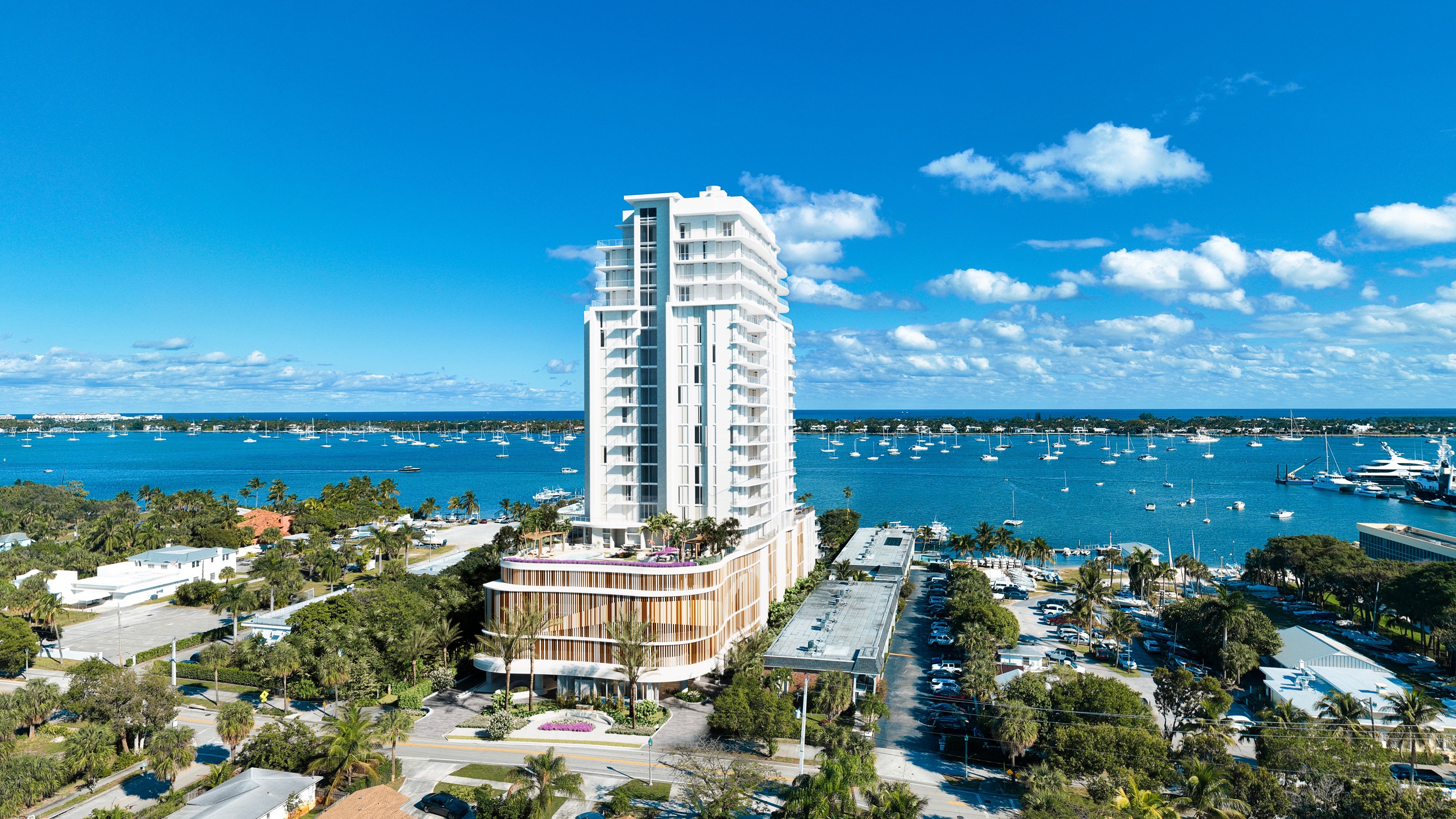
For a buyer evaluating Alba West Palm Beach, visible finishes should not substitute for a review of the underlying construction and closeout documents. The practical question is whether the work relevant to the residence and its shared areas has been completed, accepted, documented, and placed under an enforceable warranty.
Request the available occupancy documentation, permit status records, inspection signoffs, punch lists, completion schedules, and warranties. The document package should distinguish completed work from work that remains open, deferred, or subject to correction. It should also identify the party responsible for each unresolved item.
A completion milestone should begin final verification, not replace it.
A Florida real-estate attorney can assess how the available records affect the contract. Technical documents and visible conditions should be reviewed by appropriately qualified inspectors, engineers, or building-envelope consultants rather than interpreted solely through sales materials or visual impressions.
Concrete concerns can range from superficial finish variations to conditions that require technical evaluation. Buyers should avoid assuming that every crack, patch, stain, or irregular surface has the same significance. A qualified professional should determine whether an observed condition is cosmetic, previously repaired, still active, or connected to moisture or movement.
Ask for available concrete inspection records, test reports, repair logs, engineer letters, photographs, and contractor documentation relevant to the areas under review. The professional reviewing the residence should compare visible conditions with the written history and identify any inconsistencies requiring clarification.
If concrete work remains pending, the offer should describe the affected location, the required scope, the responsible party, the completion standard, and the documentation needed to establish that the work is finished. The buyer should also retain a right to reinspect the repair before closing or before any related funds are released.
Waterproofing failures often arise at transitions rather than across broad, uninterrupted surfaces. Inspection attention may therefore include terrace thresholds, drains, penetrations, membrane terminations, door and window perimeters, sealant joints, roof transitions, pool interfaces, and other connections between materials.
Dry conditions on the inspection date do not establish that every interface performs properly. Where the documents or visible conditions create a reasonable concern, a building-envelope professional can advise whether targeted testing or further investigation is appropriate. The goal is to define the condition without overstating it.
Request available waterproofing specifications, installation records, testing reports, repair history, maintenance instructions, and warranties. Confirm that the records correspond to the actual component or area being evaluated and clarify whether required maintenance has been performed.
Responsibility is equally important. The buyer should determine whether a condition falls within the residence, a limited common element, or an association-controlled area. That classification can affect access, repair authority, payment responsibility, warranty administration, and the contract remedy available to the buyer.
Façade and glazing work should not be treated as a purely aesthetic category. Cracks, coating irregularities, incomplete sealant, perimeter gaps, staining, or prior patches may warrant review by a qualified professional. The appropriate response depends on the specific assembly, repair history, and available documentation.
Buyers should request records showing whether identified façade or glazing items were logged, evaluated, corrected, and accepted. Useful materials may include inspection reports, contractor proposals, completion photographs, warranty documents, and correspondence concerning corrective work.
For glazing, the review should focus on the documents available for the installed system and any record of testing or repairs. Warranty terms deserve close attention, including coverage, exclusions, start dates, transfer requirements, maintenance obligations, and claim procedures. If earlier corrective work occurred, the buyer should verify whether it changed or limited applicable coverage.
An unresolved condition should influence an offer according to verified scope and risk, not through an arbitrary adjustment. Before selecting a remedy, identify what remains incomplete, who must perform the work, how completion will be measured, when it must occur, and which warranty will apply afterward.
One approach is to make closing contingent on documented completion and satisfactory professional reinspection. If work cannot be completed before closing, counsel can evaluate whether another structure-such as a negotiated credit, a properly documented holdback, or additional warranty protection-is suitable for the transaction. Any remedy should be drafted around the confirmed obligation rather than an unsupported estimate.
The agreement should address access, contractor qualifications, permits when applicable, evidence of completion, reinspection rights, treatment of disputed results, and the consequences of a missed deadline. It should also state whether the buyer retains any remedy if a repaired condition reappears after closing.
A price concession alone may not resolve uncertainty. If the buyer lacks control over association property or cannot independently authorize the repair, accepting funds without a defined completion process may leave the underlying issue unchanged. Legal and technical advisers should coordinate so that the contract language matches the actual condition and responsibility structure.
A residence-level inspection is only part of condominium diligence. Pending work in shared areas may affect access, enjoyment, maintenance planning, insurance matters, or future association decisions. Buyers should review the available association records relevant to identified concrete, waterproofing, façade, or glazing work.
Useful materials may include meeting minutes, budgets, repair proposals, contracts, warranty claims, engineering materials, and notices concerning ongoing projects. The purpose is not to infer a building-wide problem from an isolated observation. It is to determine whether the same condition has been documented elsewhere and whether a coordinated response is already underway.
Buyers should also identify who will administer warranties after closing and where the governing documents place maintenance and repair responsibility. A technically valid warranty can still be difficult to use if transfer procedures, notice requirements, or maintenance conditions are unclear.
Other West Palm Beach project pages-including Forté on Flagler West Palm Beach, Shorecrest Flagler Drive West Palm Beach, and The Ritz-Carlton Residences® West Palm Beach-can help buyers organize broader project research. They should not be used to assume that construction records, warranties, responsibilities, or closeout conditions are interchangeable.
At Alba, the strongest offer is one grounded in the documents and professional findings available for the specific residence and relevant common areas. Clear definitions, deadlines, evidence requirements, and reinspection rights can turn an uncertain physical condition into a manageable contractual issue.
For discreet guidance on structuring a well-informed South Florida condominium purchase, connect with MILLION.
If branded residences are on your mind — as a home or as an allocation — we would be glad to share what we are seeing, privately.
Begin a quiet conversationNo. Buyers should still review available closeout records and obtain appropriate inspections of the residence and relevant shared areas.
Request available inspection records, test reports, repair logs, engineer letters, photographs, and contractor documentation relevant to the areas under review.
No. A qualified professional should determine whether a crack is cosmetic, repaired, active, or connected to another condition.
Review accessible thresholds, drains, penetrations, membrane terminations, sealant joints, glazing perimeters, and transitions between materials.
A dry surface does not establish how an interface performs during water exposure. A qualified consultant can advise whether targeted testing is appropriate.
Seek available inspection reports, repair records, contractor proposals, completion evidence, warranties, and correspondence about corrective work.
The offer should define the condition, responsible party, completion standard, deadline, required documentation, and reinspection rights.
No. The suitable remedy depends on the verified scope, repair responsibility, timing, and the buyer’s ability to ensure completion.
They may show whether related work has been discussed, funded, contracted, repaired, or submitted as a warranty claim.
Qualified inspectors, engineers, or building-envelope consultants can assess technical matters, while a Florida real-estate attorney can address contract protections.