Aventura luxury condo buyers should read reserve study assumptions with the same care they apply to views, finishes, and amenities. The most important questions focus on timing, cost logic, component scope, and how reserve planning may affect future ownership costs.
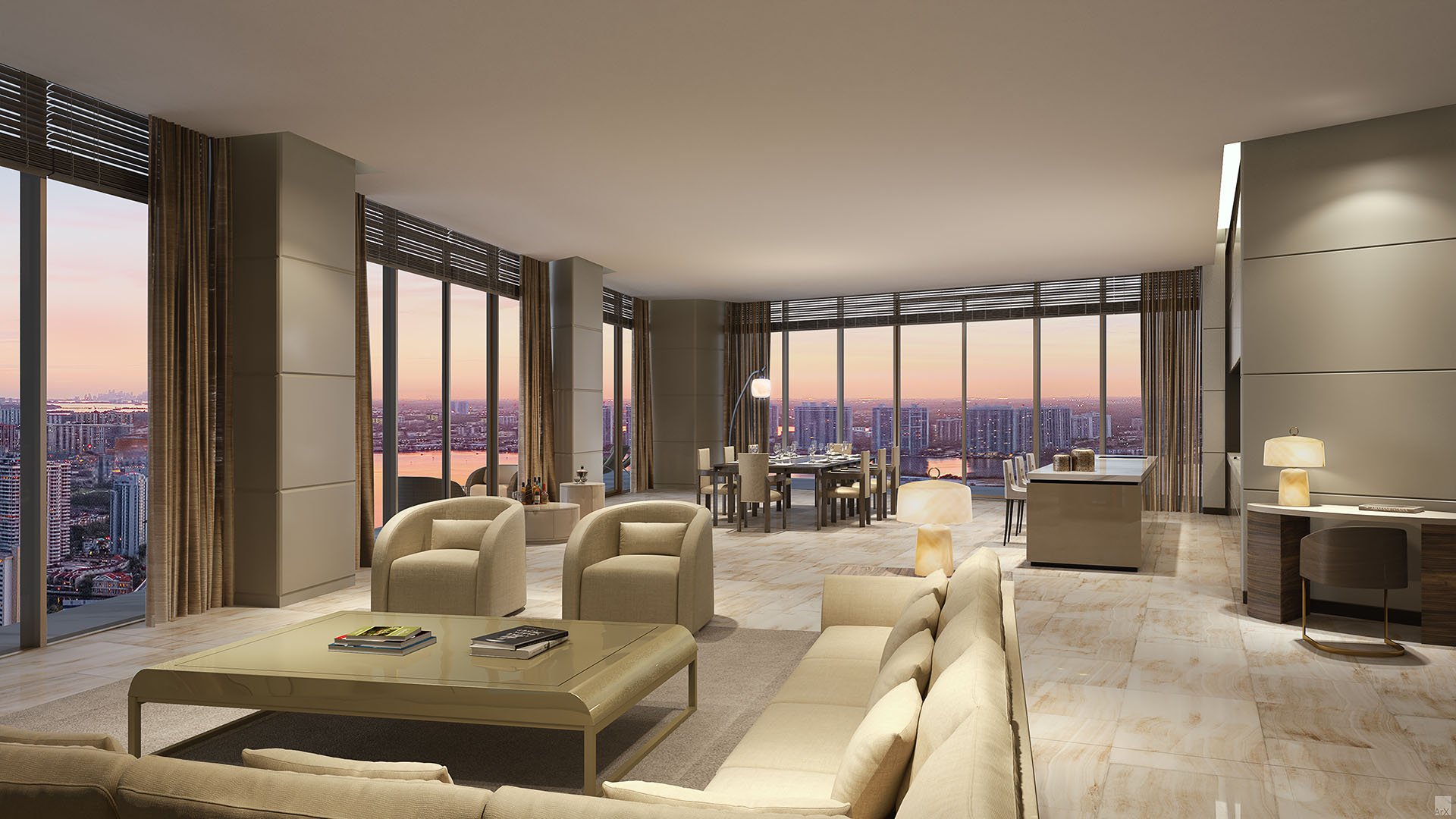
In Aventura, luxury real estate is often evaluated through the visible language of lifestyle: Waterview exposures, private terraces, polished lobbies, resort amenities, and the ease of moving between the marina, shopping, dining, and the beach corridor. Yet the quieter layer of value sits inside the association documents, especially the reserve study and the assumptions behind it.
A reserve study is not a promise. It is a planning document shaped by judgments about useful life, replacement timing, project scope, cost inflation, and funding needs. For a buyer considering an established tower, a boutique waterfront building, or a New-construction alternative, the intelligent question is not simply whether reserves exist. The sharper question is whether the assumptions are conservative enough for the building you are buying into.
For buyers looking at Avenia Aventura or comparing Aventura with nearby coastal markets, reserve discipline belongs beside architecture, services, parking, and view protection in the due diligence conversation.
Many buyers ask, “How much is in reserves?” That is useful, but incomplete. A larger reserve balance can still be inadequate if the study underestimates replacement costs or pushes major work too far into the future. A smaller balance may be more understandable when the association has a clear funding strategy, recent capital work, and transparent planning.
Ask for the reserve study, the latest budget, recent meeting minutes, and any board discussion related to major repairs or capital projects. Then read the assumptions page first. Look for what is included, what is excluded, how costs are projected, and whether the study reflects the way luxury buildings actually live: high use, coastal exposure, complex mechanical systems, refined finishes, and demanding service expectations.
The most valuable question may be simple: “What would change if costs rose faster than expected or if a component needed replacement earlier than assumed?” A confident association should be able to explain the sensitivity of its plan without leaning on vague assurances.
Begin with timing. Which building components are assumed to have the shortest remaining useful life? Are those timelines based on visual inspection, maintenance history, prior repairs, or a standard schedule? In a premium building, timing matters because deferred work can affect both daily living and resale psychology.
Next, ask about cost escalation. Does the study assume flat pricing, modest increases, or a more cautious approach? Luxury finishes, specialty contractors, access constraints, and waterfront conditions can make replacement planning more nuanced. The point is not to predict the future perfectly. It is to understand whether the association has planned with enough margin.
Then examine scope. Are elevators, roofing, façade elements, pool decks, garage areas, fire and life-safety systems, mechanical equipment, lobby finishes, amenity spaces, and Balcony components considered where relevant? If a component is excluded, ask why. Some exclusions may be logical. Others may shift future costs from planned reserves to special assessments.
Finally, ask how reserve funding fits the building’s culture. Does the association prefer steady contributions, periodic increases, or special assessments when work arises? For an Investment buyer, this matters because unpredictable assessments can affect carrying costs, rental strategy, and exit timing.
Aventura buyers often pay premiums for water orientation, generous outdoor space, and a seamless amenity experience. A Waterview residence may feel timeless, but the building supporting that view is a living asset with systems that age. Pools, terraces, elevators, cooling systems, access control, lighting, landscaping, and garage areas all require planning.
Ask whether amenity upgrades are treated as repairs, replacements, or discretionary improvements. A reserve study may contemplate maintaining what exists, while owners may later desire a more elevated aesthetic. In luxury real estate, the gap between functional replacement and brand-level presentation can be meaningful.
Balcony considerations deserve special attention. Buyers should ask what assumptions are made for railings, waterproofing, drainage, surface finishes, and inspection cycles where applicable. Keep the conversation practical: what is being monitored, what is planned, and what could become an owner-level expense rather than an association-level expense?
Aventura sits within a broader South Florida decision set. Some buyers compare it with Sunny Isles, Hallandale Beach, North Miami, and the bayfront neighborhoods to the south. In that context, reserve assumptions become a useful comparison tool, not merely a risk screen.
A buyer considering Bentley Residences Sunny Isles may be weighing a different ownership profile than a buyer looking at an established Aventura condominium. Someone comparing 2000 Ocean Hallandale Beach or One Park Tower by Turnberry North Miami should ask similar reserve questions, then interpret the answers in light of each building’s age, scale, services, and ownership structure.
The goal is not to find a property with no future capital needs. That property does not exist. The goal is to find a building where planning feels transparent, assumptions feel defensible, and the ownership community appears aligned around maintaining quality.
Before waiving diligence, ask the seller, association, or your advisor for a clean package: reserve study, budget, financial statements if available, meeting minutes, insurance summary, pending assessment information, and rules affecting future work. Then ask these questions in writing.
What major components are expected to require attention next? What assumptions drive those dates? Which costs are most sensitive to inflation or contractor pricing? Are any components intentionally excluded from the reserve schedule? Have owners recently discussed special assessments or contribution increases? Are reserves being used for recurring maintenance, or only for capital items? If the study was updated, what changed from the prior version?
A refined buyer does not need to be alarmist. The posture should be calm, exacting, and document-led. In Aventura, the best luxury acquisition is not merely the residence with the most seductive view. It is the one whose building story remains persuasive after the financial architecture is read closely.
What is the first reserve study question to ask before buying in Aventura? Ask which assumptions drive the study’s conclusion: timing, useful life, cost escalation, component scope, and funding strategy.
Is a large reserve balance always reassuring? Not by itself. The balance must be viewed against projected needs, excluded components, and the assumptions used to estimate future costs.
Should I review meeting minutes along with the reserve study? Yes. Minutes may reveal owner discussions about repairs, assessments, funding preferences, or projects not obvious from the study alone.
How should I think about special assessments? Ask whether any are pending, recently discussed, or likely if reserve assumptions prove too optimistic.
Do amenity upgrades always appear in a reserve study? Not necessarily. Some studies focus on replacement and maintenance, while aesthetic upgrades may require separate owner decisions.
Why do Balcony assumptions matter? Outdoor elements can involve waterproofing, railings, drainage, finishes, and access issues, so buyers should understand what is planned.
How does this affect an Investment purchase? Reserve planning can influence carrying costs, cash flow expectations, buyer confidence, and resale timing.
Are New-construction buyers exempt from reserve concerns? No. They should still ask how future funding begins, what early budgets assume, and how capital planning will be handled.
Can reserve questions help compare Aventura with nearby markets? Yes. They provide a disciplined way to compare ownership quality beyond architecture, amenities, and view premiums.
What is the best way to shortlist comparable options for touring? Start with location fit, delivery status, and daily lifestyle priorities, then compare stacks and elevations to validate views and privacy.
For a discreet conversation and a curated building-by-building shortlist, connect with MILLION.
If branded residences are on your mind — as a home or as an allocation — we would be glad to share what we are seeing, privately.
Begin a quiet conversation