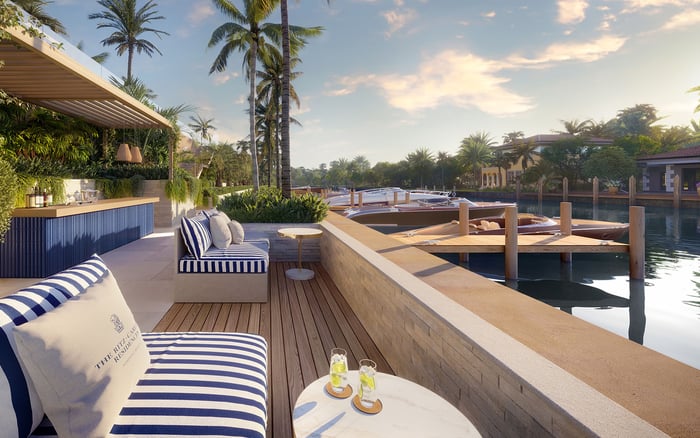
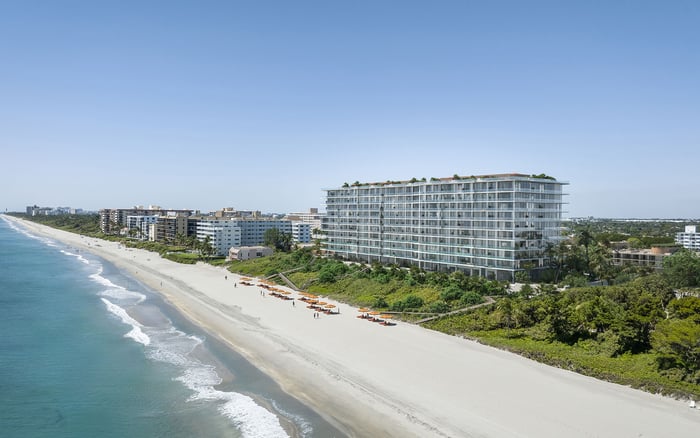
A buyer-focused guide to bridge clearance, yacht access, dock due diligence, and resale considerations for luxury waterfront real estate in Pompano Beach.
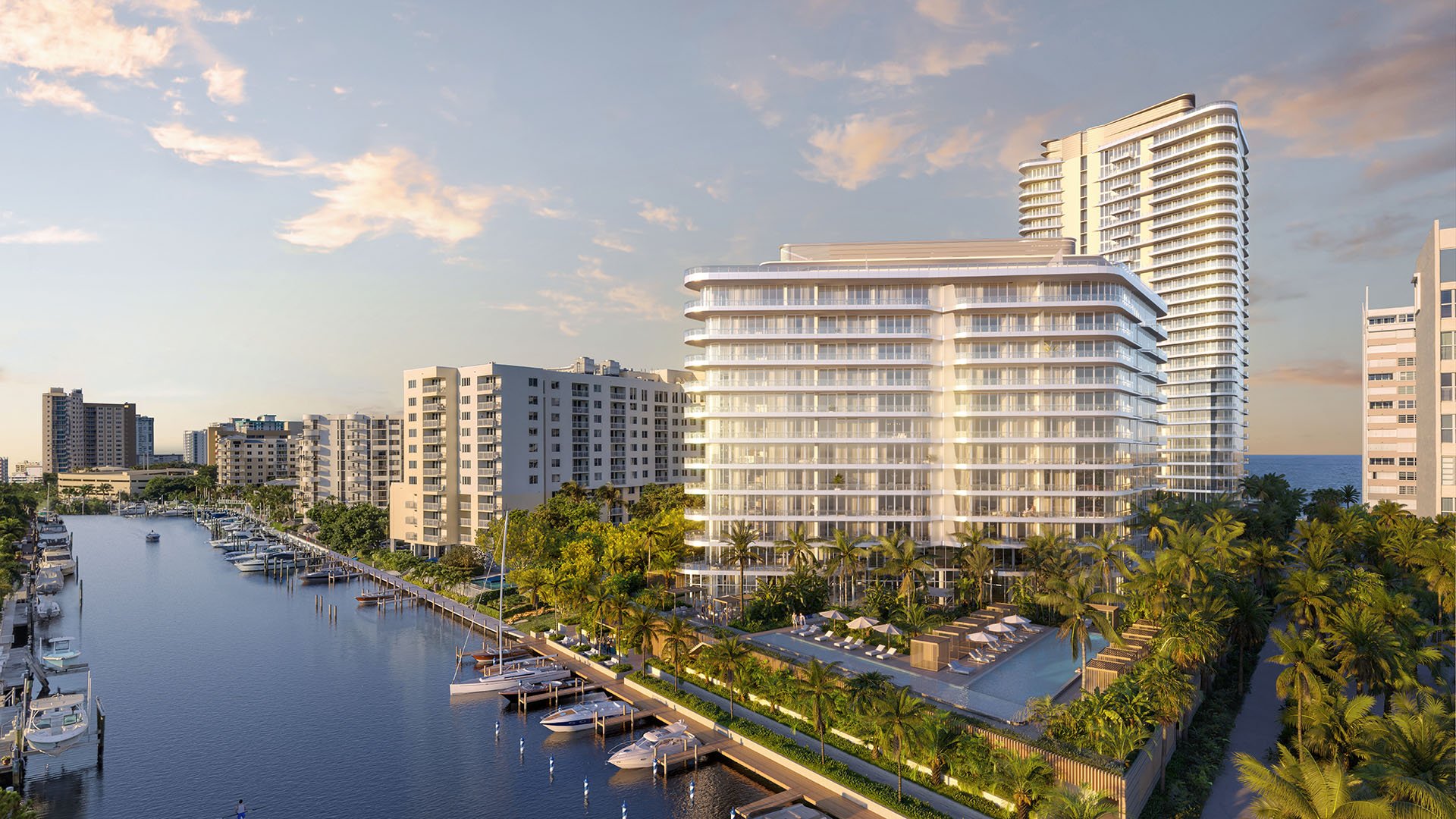
In Pompano Beach, the most compelling waterfront properties often reveal their true character from the water, not the driveway. A broad terrace, private dock, and polished seawall can suggest effortless yacht living, but bridge clearance is the detail that determines whether that promise works in daily life. For a luxury buyer, the question is not simply whether a boat fits at the dock. It is whether the boat can move confidently from home to open water under the conditions that matter.
Bridge clearance is the vertical space between the water and the underside of a bridge. That space can shift with tide, weather, vessel load, and onboard configuration. A hardtop, radar arch, antennas, outriggers, tower, or raised equipment can change the calculation. The right inquiry begins before contract, not after survey, because a beautiful waterfront residence can carry a very different value profile depending on how freely it connects to the boating life you expect.
This is particularly relevant for buyers comparing Pompano Beach residences such as Armani Casa Residences Pompano Beach, The Ritz-Carlton Residences® Pompano Beach, and private home opportunities along the city’s waterways. The address may be prestigious, but the bridge path gives the dock its practical meaning.
The first question is whether the route from the property to open water includes any bridges. If it does, determine whether each bridge is fixed or movable. A fixed bridge has a clearance that must be respected every time. A movable bridge introduces a different set of considerations, including opening procedures, timing, operating conditions, and the patience required for frequent passages.
Luxury buyers should ask for the actual route, not a casual description. A phrase like “close to the inlet” is not enough. Request a clear explanation of the path a vessel would take from the dock, the number of bridge passages, and whether the route is practical for the boat you plan to keep. If the property is being positioned as a waterfront asset, the water route should be treated with the same seriousness as title, insurance, and structural condition.
A common mistake is to evaluate clearance around an idealized vessel rather than the one you own or intend to buy. Start with the boat’s air draft: the height of the vessel above the waterline to its highest fixed point. Then account for anything that may sit above that line, including antennas, navigation equipment, canvas, towers, or removable features.
Ask whether the stated clearance is based on low tide, high tide, average conditions, or another reference point. A margin that appears comfortable in one condition may become tight in another. Serious yacht owners should ask a captain, marine surveyor, or qualified local marine professional to review the route before the inspection period expires.
The same discipline applies when considering condominium lifestyles near the coast. Buyers drawn to Waldorf Astoria Residences Pompano Beach and W Pompano Beach Hotel & Residences may be focused on views, services, and design, yet boat access remains part of the broader lifestyle conversation for many owners in the area.
Bridge clearance is only one part of the boating equation. A deep-water impression can be misleading if the dock, slip dimensions, approach, turning basin, or association rules do not align with the vessel. Ask whether a boat slip is deeded, assigned, licensed, or merely available subject to separate approval. Each structure carries different expectations and different resale implications.
If the residence is part of a condominium or managed community, review the governing documents for vessel size limits, liveaboard restrictions, maintenance obligations, insurance requirements, lift rules, and guest docking policies. If the property includes a private dock, inspect the seawall, pilings, electric, water service, lift capacity, and permitting history with appropriate specialists. A marina setting may offer convenience and services, but it may also involve separate rules and costs that should be understood before closing.
Oceanfront living and canal-front boating can both be highly desirable, but they are not interchangeable. Oceanfront residences often deliver direct beach energy, big views, and resort-style ambience. Canal and Intracoastal-oriented properties may offer more practical docking, depending on location and route. The best choice depends on how you plan to live.
For some buyers, the ideal Pompano Beach purchase is an elevated residence with a horizon view and boating handled separately. For others, the defining luxury is walking from the kitchen to a waiting vessel. Projects such as Ocean 580 Pompano Beach can appeal to those weighing proximity, design, and coastal ease, while bridge-sensitive boaters may need to examine the waterways with greater granularity.
Even if you do not own a large boat today, the next buyer might. Bridge-constrained properties can still be excellent purchases, but their audience may differ from unrestricted or more flexible waterfront homes. A buyer with a center console may see no compromise. A buyer with a larger yacht may eliminate the property immediately.
This is why bridge clearance belongs in the value conversation. Ask your advisor how the market typically distinguishes between properties with easier boating access and those requiring bridge passages. Avoid assuming that all waterfront acreage, frontage, or dockage is valued the same. In the upper tier, nuance is often the difference between a trophy acquisition and a property with a narrower future buyer pool.
Before you sign, ask for the route from dock to open water, the number and type of bridges, the controlling clearance assumptions, and whether the vessel you intend to use has been measured against those assumptions. Ask about tide sensitivity, operating procedures for movable bridges, and whether any local limitations could affect daily use. If a dock, boat slip, or marina relationship is involved, ask for the documents governing it.
The most sophisticated buyers do not treat these questions as obstacles. They treat them as refinement. A waterfront purchase in Pompano Beach should feel effortless after closing because the hard questions were asked before it.
Why does bridge clearance matter when buying in Pompano Beach? It determines whether your vessel can travel from the property to open water safely and consistently. It can also influence resale appeal for boating-oriented buyers.
Should I rely on a listing description for bridge clearance? No. Treat the description as a starting point and verify the route, clearance assumptions, and vessel fit during due diligence.
What is air draft? Air draft is the height of a boat above the waterline to its highest fixed point. It is central to judging whether a vessel can pass under a bridge.
Are fixed bridges more important than movable bridges? Both matter. Fixed bridges create a hard clearance limit, while movable bridges introduce timing, procedures, and operating considerations.
Should tide be part of the clearance conversation? Yes. Clearance can vary with water level, so buyers should understand the assumptions used when a clearance is discussed.
Can a smaller boat make a bridge-constrained property acceptable? Often, yes. The right fit depends on your vessel’s actual dimensions and the way you intend to use the waterway.
What should I ask about a boat slip? Ask whether it is deeded, assigned, licensed, or subject to approval. Also review size limits, insurance, maintenance, and transfer rules.
Do condominium rules affect boating access? They can. Governing documents may address vessel size, lifts, guest dockage, liveaboard use, and other operational details.
Is oceanfront property always better for boaters? Not necessarily. Oceanfront living may prioritize views and beach access, while canal or Intracoastal settings may be more practical for dockage.
When should I bring in a marine professional? Bring one in before the inspection period ends. A qualified review can help confirm whether the boat, dock, and bridge route truly align.
For a confidential assessment and a building-by-building shortlist, connect with MILLION.
If branded residences are on your mind — as a home or as an allocation — we would be glad to share what we are seeing, privately.
Begin a quiet conversation