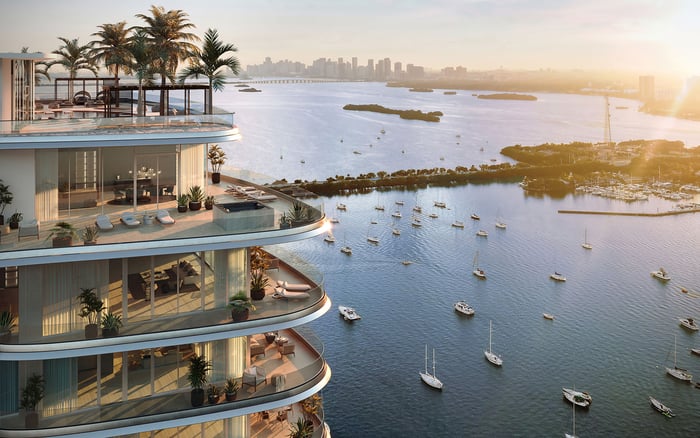
A discreet buyer’s guide to the bridge clearance questions that matter before purchasing waterfront luxury real estate in North Bay Village.
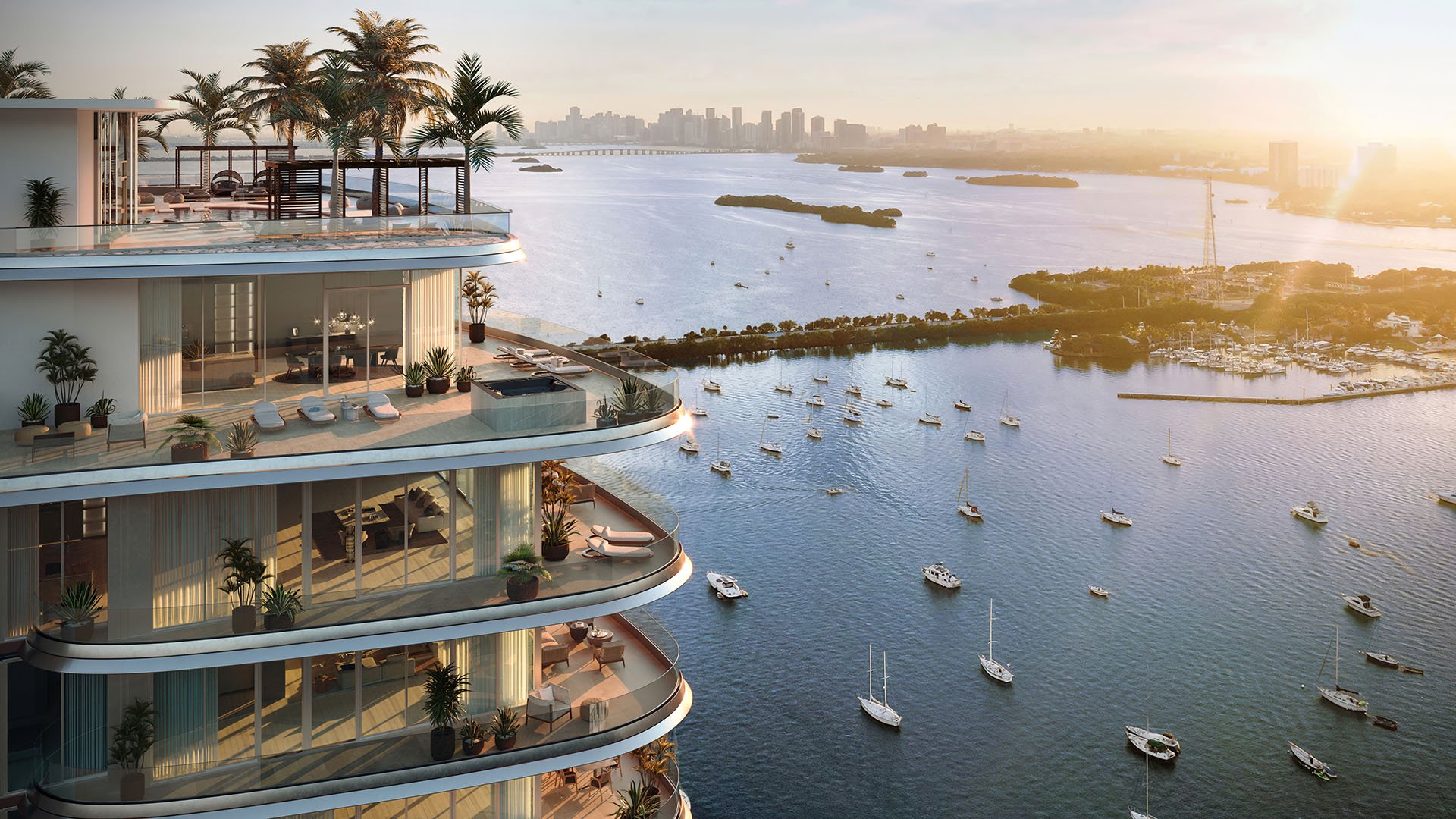
In North Bay Village, waterfront real estate is often judged first by the view: a broad pane of Biscayne Bay, the glow of the Miami Beach skyline, a private terrace that turns sunset into theater. Yet for buyers who intend to keep a boat, the most consequential question may sit just beyond the property line. Bridge clearance can determine whether a residence truly supports the life being purchased.
For buyers focused on waterfront living, bridge clearance is not a technical afterthought. It is part of the core value proposition. A residence may offer a beautiful dock, a compelling view corridor, and a glamorous arrival sequence, but the route from that dock to open water still deserves careful review.
The issue is especially important for luxury buyers because the vessels tend to be more specialized. A center console with a hardtop, a sport yacht with a tower, a tender with an elevated radar arch, or a family cruiser with custom equipment may each require different handling. The right question is not simply whether a boat fits at the dock. It is whether the boat can move comfortably, repeatedly, and predictably through the surrounding waters.
Begin with the route, not the residence. Ask how the boat would travel from the property to the buyer’s preferred destinations. That may include open bay cruising, a marina, a fuel stop, a sandbar, a yacht club, or a favorite waterfront restaurant. The point is to map the actual pattern of use before evaluating the romance of the dock.
Next, ask whether any bridge along that route is fixed or movable. A fixed bridge turns clearance into a hard constraint. A movable bridge may introduce timing, operating rules, waits, and etiquette. Both can be workable, but they create different ownership experiences. A buyer who expects spontaneous afternoon runs may think very differently from a buyer who boats primarily on planned weekends.
Ask for clearance language in practical terms. What clearance is available under normal conditions? How does the answer change with tide, wind, load, wake, and the vessel’s highest fixed point? A captain or marine surveyor should evaluate the actual boat, not a generic model. Small additions such as antennas, outriggers, radar, canvas, lighting, and towers can change the calculation.
Luxury real estate buyers often evaluate a home and then ask whether the boat can be accommodated. For serious boaters, the more disciplined sequence is reversed. Start with the vessel, then test the property.
Ask for the boat’s air draft, overall length, beam, draft, and the height of any nonretractable equipment. If a vessel has folding or removable elements, clarify whether using them is convenient enough for regular life. A feature that works once for a closing walkthrough may become irritating every time guests are aboard.
The same thinking applies to future vessels. A buyer may own a modest boat today but intend to move up after settling into the residence. If that is part of the plan, bridge clearance should be reviewed against the likely next boat, not only the current one. A property that feels effortless now could become restrictive after an upgrade.
This is where nearby new development comparisons become useful. A buyer looking at Continuum Club & Residences North Bay Village may be thinking not only about the residence itself, but also about how the address fits a boating lifestyle over time. The same buyer may also compare Shoma Bay North Bay Village through the lens of daily water access, guest arrival, parking, services, and long-term convenience.
Bridge clearance is not only about whether a vessel can pass. It is about friction. The finest waterfront living is defined by ease: stepping downstairs, boarding comfortably, and leaving without complicated choreography. If a route requires waiting, folding equipment, monitoring tide windows, or calling ahead, that may still be acceptable, but it should be reflected in the buyer’s expectations.
Ask how often the buyer truly expects to use the boat. A seasonal owner may accept a more involved route if the residence delivers exceptional views and interior quality. A year-round boater may place a premium on speed, simplicity, and fewer operational variables. Neither approach is wrong. The key is alignment.
Bridge clearance can also influence guests and crew. A captain may be comfortable managing a tight passage, while family members or occasional operators may not. If multiple people will use the boat, the least experienced regular operator should be part of the discussion. Luxury should not depend on perfect conditions or on a single expert being available.
The due diligence period should convert assumptions into written clarity. Ask for dock and slip documentation, association rules, marina policies if applicable, and any restrictions on vessel type, length, beam, draft, liveaboard use, commercial use, lifts, tenders, personal watercraft, fuel storage, and service access.
If the property includes a private dock, confirm what is permitted and what is already in place. A dock that appears functional may still involve rules on repairs, improvements, lighting, lifts, fenders, pilings, utilities, and insurance. If the residence is part of a condominium or managed community, ask who controls dock assignment, maintenance, replacement, transfer rights, waitlists, and guest docking.
A buyer should also ask for a marine professional’s opinion before removing contingencies. That review should include the vessel, the route, the dock, the slip, and the bridge environment. The best advice is often practical: how the boat will actually be handled on a windy afternoon, with guests aboard, after lunch, when the tide is not ideal.
For buyers comparing North Bay Village with neighboring waterfront enclaves, developments such as Tula Residences North Bay Village and Onda Bay Harbor can help frame the broader conversation. The right choice is rarely only about finishes or views. It is about how the building, shoreline, route, and vessel work together.
Clearance questions can feel technical, but they often reveal a property’s true lifestyle profile. A residence with effortless water access may appeal to a different buyer pool than one where navigation requires more planning. That can influence desirability, resale positioning, and the emotional confidence behind an offer.
Buyers should avoid treating all waterfront as equal. Some homes are primarily view properties. Others are true boating properties. Some are hybrids, offering spectacular scenery with boating that works best for certain vessel types. The distinction matters in North Bay Village because the area attracts buyers who want both the visual drama of the bay and the practical pleasures of life on the water.
The most elegant purchase is the one where the home and the boat serve the same life. The terrace, the dock, the vessel, and the route should feel connected. When they do, bridge clearance fades into the background because it has already been solved.
Why should I ask about bridge clearance before making an offer? It can determine whether your boat can move comfortably from the property to your preferred destinations. It may also affect how effortless the waterfront lifestyle feels.
Is bridge clearance only relevant for large yachts? No. Smaller boats with hardtops, antennas, towers, or radar arches may also have clearance concerns.
Should I rely on a listing description for clearance information? No. Treat listing language as a starting point and verify the route, dock, and vessel fit during due diligence.
Who should review the clearance question for me? A captain, marine surveyor, or qualified boating professional should evaluate your actual vessel and intended route.
What boat measurements should I confirm? Confirm air draft, overall length, beam, draft, and the height of any fixed or removable equipment.
Can tide conditions change the answer? Yes. Tide, load, wind, and water conditions can all affect practical clearance and handling comfort.
Does a private dock guarantee easy boating access? Not necessarily. The dock may work well, but the route, rules, and bridge environment still need review.
What documents should I request in a condo purchase? Ask for association rules, dock or slip policies, transfer rights, maintenance obligations, and vessel restrictions.
Can bridge clearance affect resale? It can. A property with easier boating access may appeal to a broader or more specific buyer pool, depending on the vessel profile.
Should future boat plans be part of the purchase decision? Yes. If you expect to upgrade your boat, test the property against that future vessel before committing.
For a tailored shortlist and next-step guidance, connect with MILLION.
If branded residences are on your mind — as a home or as an allocation — we would be glad to share what we are seeing, privately.
Begin a quiet conversation