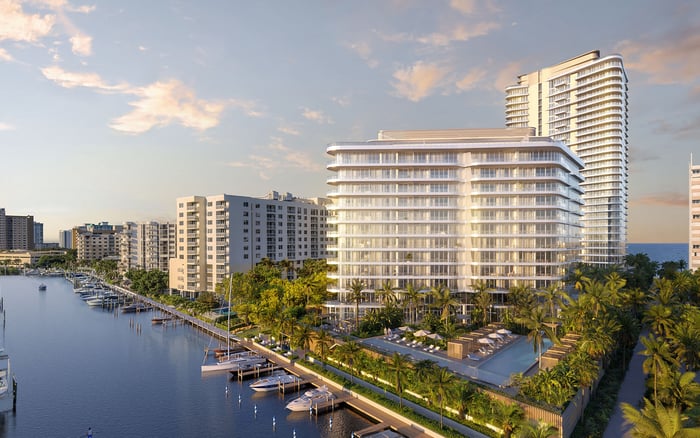
Private balconies and branded amenities are only part of the ownership picture. Buyers at Waldorf Astoria Residences Pompano Beach should establish written responsibilities for storm preparation, residence access, and extended absences before assuming those services are included.
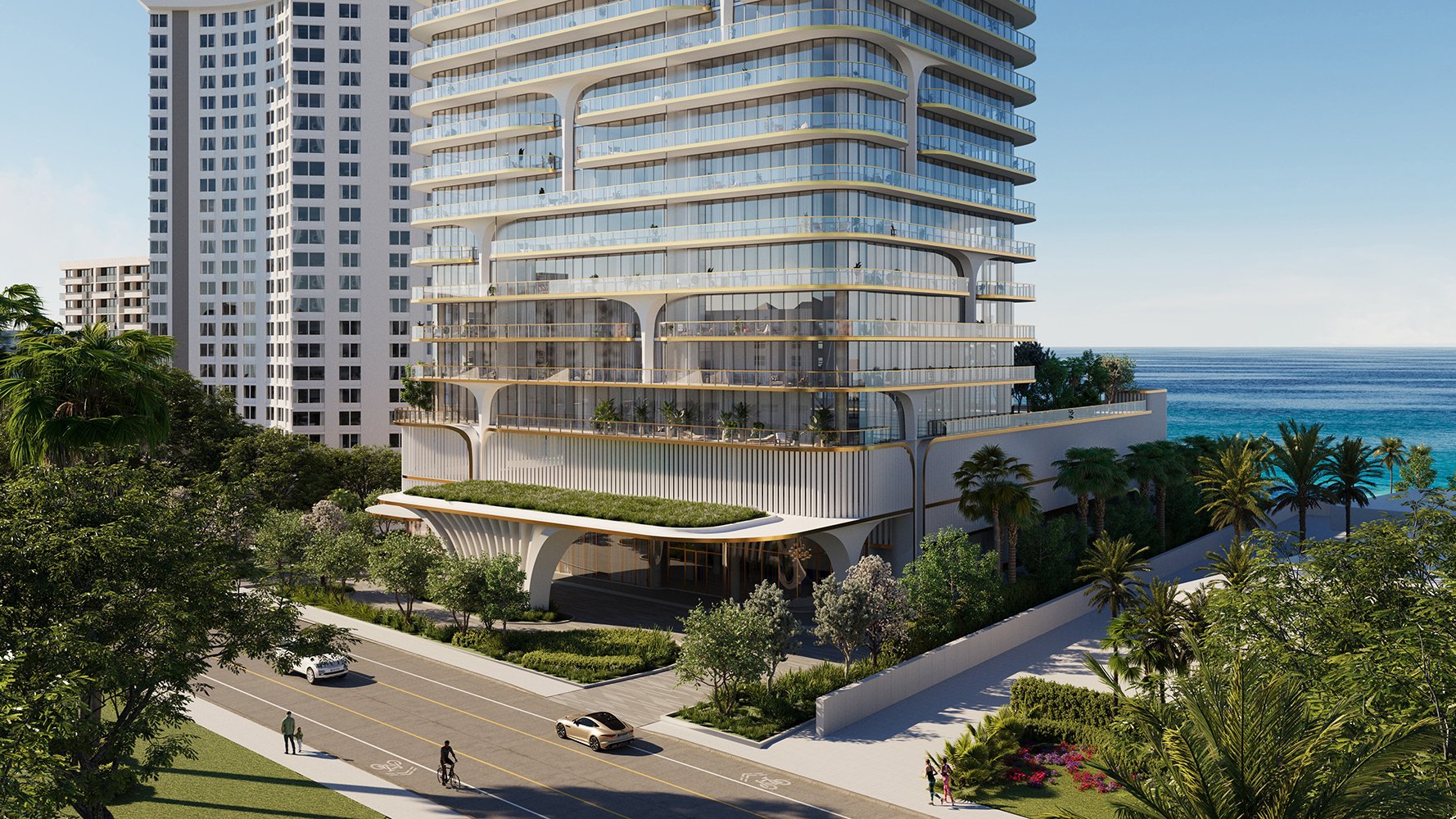
A private balcony is part of the pleasure of a coastal residence. At Waldorf Astoria Residences Pompano Beach, every residence is advertised with a private balcony, with depths of up to 10 feet. For buyers who divide their time among several homes, however, the question is not simply how the outdoor space lives. It is who prepares it when the owner is elsewhere.
Hurricane-season balcony clearance, emergency-access procedures, and extended-absence obligations need project-specific written confirmation. That need is not evidence that the property lacks a hurricane plan or that management will not assist. Buyers should distinguish the lifestyle being presented from the responsibilities established in governing documents and service agreements.
The most useful diligence turns a broad expectation of care into written answers: who acts, under what authority, by what deadline, and at whose expense.
Branded service for amenities, common areas, and community events is not a clear promise of staff entry into private residences to clear balconies, operate shutters, shut off water, or perform post-storm inspections.
For a buyer considering The Ritz-Carlton Residences® Pompano Beach alongside Waldorf Astoria, the meaningful comparison is the written scope of service-not an assumption that branded properties share the same operating model. This is a diligence framework, not a statement about either project's storm services.
Ask whether preparation is an association obligation, an optional management service, or an owner-arranged task. If assistance is available, request its scope, enrollment process, charges, and limits. A general assurance that someone will take care of the residence should become a specific written commitment.
Do not substitute oral assurances for review of the applicable written documents. Material commitments deserve confirmation before purchase.
Generous outdoor space makes storm preparation an especially practical question: a furnished balcony needs a workable preparation arrangement, not simply an emergency contact.
Request the project's actual clearance standard. Does it apply before departure, at a specified storm milestone, or upon management notice? May approved secured furnishings remain, or must everything movable come inside? Who decides whether an item satisfies the rule?
Ask specifically about furniture, plants, cushions, and decorations, and whether staff assistance carries a charge. These are questions for the project's management and governing documents, not established Waldorf Astoria requirements.
Then settle the logistics. Ask where furnishings may be placed, whether removal and storage are separate services, and what happens if the designated representative cannot attend. Confirm whether photographs or another preparation record are required. Authorization to enter does not, by itself, establish an obligation to move furniture.
A key on file is not a complete absence plan. Buyers should request any owner-authorization form and determine exactly what it permits, whom it appoints, and whether the appointed party has agreed to perform the work.
A useful written arrangement should identify the responsible individual or firm, primary and backup contact details, permitted access areas, and authorized tasks. It should also specify triggering events, notification procedures, and whether fresh approval is required for each visit or expense.
Ask whether owners must designate a representative to care for the residence during an absence or after hurricane damage. Clarify how routine owner-authorized visits differ from emergency entry, and which provisions govern each type of access.
Ask how keys and smart-lock credentials are handled, whether an outside representative must be registered, and how completed work is communicated. Confirm a backup arrangement if the owner cannot be reached. None of these procedures should be presumed to apply at Waldorf Astoria without project-specific documentation.
For this Pompano Beach purchase, have condominium counsel explain the association's applicable emergency powers, access rights, notice requirements, and evacuation procedures. The practical question is how those provisions interact with the owner's separate preparation arrangements.
Do not treat emergency-entry authority as a promise of routine access, staffing, or completion of a departure checklist. A service commitment should identify both the authorized work and the party that has agreed to perform it.
Likewise, do not assume that provisions addressing abandoned units govern a temporarily unoccupied second home. Have counsel review the applicable access provisions and current law rather than relying on a general notice interval as an owner-absence protection.
Water shutoff deserves a precise written answer. Ask whether an absence triggers a shutoff requirement, how the relevant duration is measured, and who is authorized to operate the valve. Do not transfer a rule from another Pompano Beach condominium to Waldorf Astoria.
Request written instructions covering water valves, HVAC settings, leak-detection procedures, access credentials, and shutters if applicable. These are checklist topics to confirm, not features or obligations to attribute to this project.
Ask who documents preparation, who may inspect after a storm, and how damage is communicated. Do not assume post-storm access or re-entry assistance is guaranteed.
If Armani Casa Residences Pompano Beach is also on the shortlist, use the same departure questions without transferring one building's rules to another. The goal is a residence whose documented operating arrangements fit the owner's travel pattern.
Request the current declaration, bylaws, rules, emergency plan, management-service terms, and any hurricane or owner-absence checklist. Review them together for consistent responsibilities, access permissions, deadlines, charges, and notification procedures.
The decisive question is whether a named party has accepted a defined task under workable conditions. If preparation remains the owner's responsibility, establish the representative and backup plan before an absence. If management offers assistance, confirm its written terms and limitations.
Luxury ownership is more reassuring when the practical details are settled well before they become urgent.
For a considered approach to South Florida luxury ownership, explore MILLION.
If branded residences are on your mind — as a home or as an allocation — we would be glad to share what we are seeing, privately.
Begin a quiet conversationPrivate balconies are advertised for all residences, with depths of up to 10 feet. Buyers should confirm the dimensions of their specific residence.
Request the project's current rules, emergency plan, and any preparation-service terms. Confirm the responsible party, clearance deadline, and backup arrangement in writing.
Branded amenity service alone does not establish a commitment to prepare a private residence. Confirm any balcony clearance, water shutoff, shutter operation, or post-storm inspection service in writing.
Do not assume secured furniture is exempt from clearance requirements. Ask whether the project's rules permit approved secured items and who determines compliance.
Confirm whether staff assistance is available and whether removal or storage carries a charge. This article does not establish Waldorf Astoria's charges or policies.
It should identify the representative, contact details, permitted areas and tasks, triggering events, and notification procedure. Confirm whether fresh owner approval is required and whether the representative has accepted the assignment.
No; emergency-entry authority should not be treated as a routine preparation commitment. Confirm access authorization and the agreed scope of work separately.
Do not assume those provisions govern a temporary absence. Have condominium counsel review the applicable access and notice requirements.
Obtain Waldorf Astoria's property-specific instructions in writing. Ask whether an absence triggers a shutoff requirement and who is authorized to operate the valve.
Request the current declaration, bylaws, rules, emergency plan, management-service terms, and any hurricane or owner-absence checklist. Have counsel review material access and responsibility provisions.