Forté on Flagler’s advertised wellness amenities invite a closer look at everyday use. Buyers should distinguish the physical offering from confirmed capacity, guest privileges, treatment availability, and access for their own practitioners.
For a buyer who considers wellness part of daily life, the essential luxury is not simply a spa downstairs. It is knowing whether a morning swim, a visiting trainer, or a treatment for a houseguest fits naturally into the day. At Forté on Flagler West Palm Beach, the advertised amenities are appealing, but the practical questions concern access as much as architecture.
The condominium is marketed with 41 residences. Its wellness offering includes a lap pool, spa facilities, fitness center, yoga studio, and private treatment rooms. That inventory describes spaces, not the full conditions governing their use by residents and guests. A smaller residence count does not, by itself, establish quiet facilities or readily available appointments.
The distinction matters: an amenity can meet a buyer's aesthetic expectations while leaving operational questions unanswered. Undisclosed rules are questions to resolve, not evidence that restrictions or privileges exist.
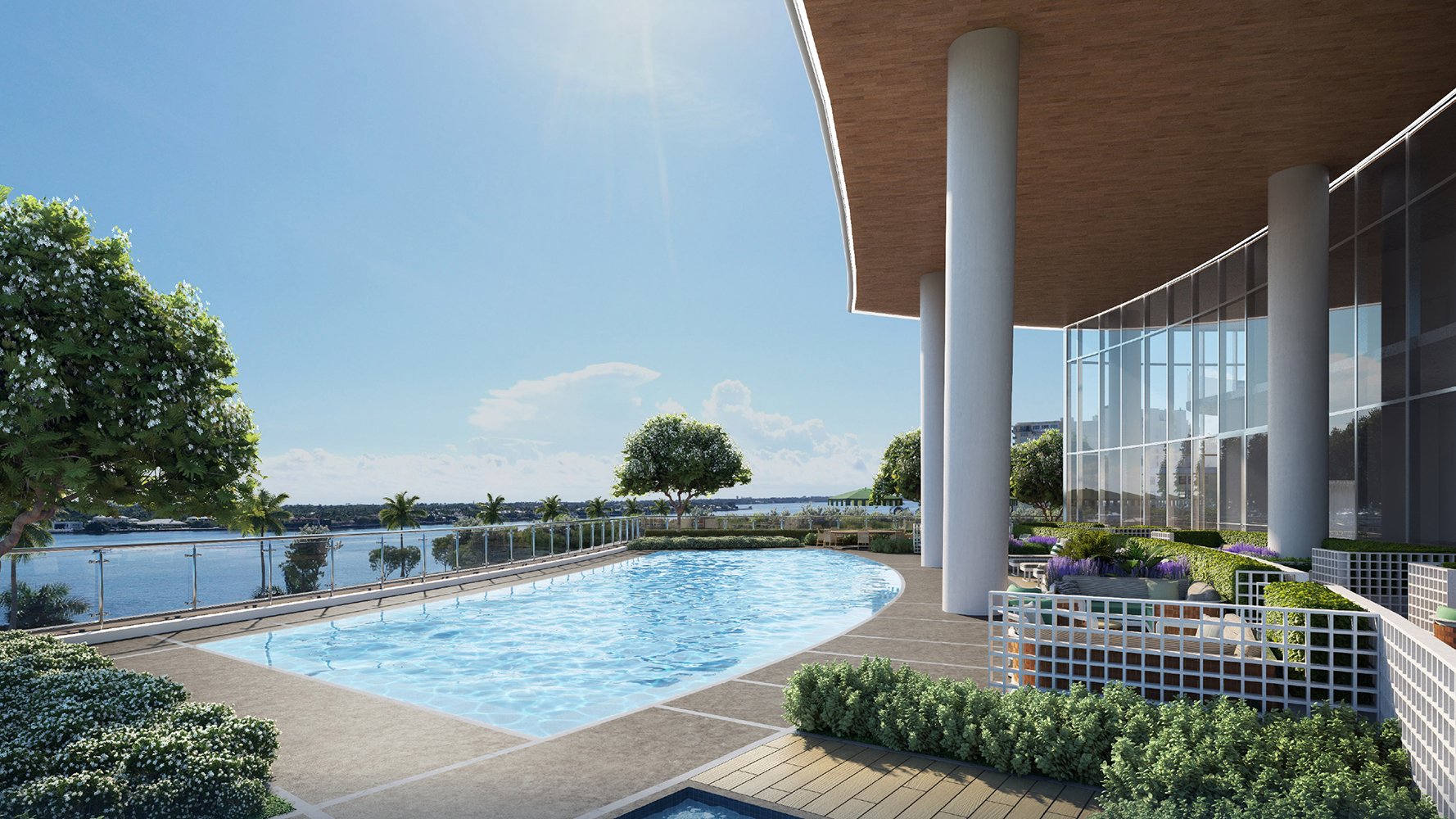
The advertised layout places the pool deck on the second story and the health-and-wellness spaces on the third floor. The deck includes a 75-foot lap pool, heated spa, outdoor dining and lounge areas, and poolside cabanas. The wellness program includes his-and-hers spas, steam and sauna facilities, relaxation space, lockers, and private treatment rooms, alongside the fitness center and yoga studio.
These details establish the advertised range of spaces, not simultaneous-user capacity. Pool length cannot tell a buyer how many swimmers may comfortably exercise at once, whether lap-use arrangements apply, or how access is managed when several households arrive together. Cabana numbers and reservation arrangements remain unspecified.
Ask for occupancy limits, operating hours, and reservation procedures for each relevant space. For the fitness center and yoga studio, request room dimensions or square footage as well as user limits. Neither size nor maximum simultaneous use is established.
The phrase “full-service spa” should not substitute for an operating schedule. Treatment-room count, staffing levels, booking limits, and hours remain unconfirmed. Advertised private treatment rooms indicate a setting for treatments, not a confirmed menu or an appointment guarantee.
Request written clarification of which services are currently available, who delivers them, and how appointments are arranged. Ask whether advance-booking windows, cancellation charges, room fees, or other limitations apply. These are due-diligence questions, not established Forté policies.
Timing matters. Advertised amenities should not be read as confirmation that every service is operating today. A current walkthrough and written operational details are more useful for planning daily life than an amenity label alone.
For a buyer also considering Alba West Palm Beach, apply the same distinction between physical facilities and confirmed service delivery. Do not assume a shared operating model.
The advertised wellness level includes two furnished guest suites, alongside a card room, business center, and golf simulator. Their presence is useful context for a household that entertains overnight visitors, but it does not establish booking eligibility, nightly charges, stay limits, or wellness privileges for occupants.
Treat overnight accommodation and amenity access as separate subjects. Do not assume a suite reservation includes pool, fitness, spa, or treatment-room privileges. A visitor staying inside a residence may also fall under different rules from someone using a guest suite; neither arrangement is established.
Request clarification of guest allowances per residence, registration procedures, resident-accompaniment requirements, and children's access and supervision rules. Ask separately about day visitors and overnight guests.
Public memberships and day passes are not advertised. That omission is not proof of owner-only access, nor does it settle guest eligibility. What matters is the current written policy for the particular visitor and facility involved.
For owners with established relationships with massage therapists, aestheticians, or trainers, continuity of care and routine can be central to the purchase decision. Forté's advertised private treatment rooms do not establish permission to bring those practitioners into shared wellness spaces.
Separate the inquiry into two parts: may a provider visit a private residence, and may that provider work in a shared treatment room, gym, or studio? Permission for one setting should not be assumed to extend to the other. Neither policy is established.
A spa operator, approved-practitioner list, vendor insurance requirements, and treatment-room access fees remain unidentified. Ask whether any approval process, credentials, documentation, scheduling restrictions, or charges apply, without presuming that they do.
Also distinguish wellness from clinical care. The advertised program emphasizes fitness and spa relaxation, not physician offices, a medical spa, or clinical services. Buyers seeking medical services should not infer their availability from treatment rooms alone.
A useful evaluation begins with the household's actual habits. Consider a preferred morning workout, a visiting relative's afternoon swim, and an appointment with a trusted therapist. Ask management to explain how each scenario would work under the current rules, including booking requirements and guest restrictions.
For a West Palm Beach shortlist that includes Mr. C Residences West Palm Beach, carry those same scenarios into the comparison. This evaluates personal fit; it does not imply that the buildings have equivalent amenities or policies.
Where possible, visit during the hours you expect to use the facilities. A visit can offer a sense of the setting, but a single quiet afternoon cannot establish typical demand. Written limits and procedures remain essential to interpreting the experience.
Before entering into a contract, request the current condominium rules, wellness policies, occupancy limits, operating hours, reservation procedures, and fee schedules. Include separate requests for guest-suite terms, day-guest privileges, children's access, and outside-practitioner arrangements. Have your advisers review how those documents address the uses most important to you.
Forté's advertised wellness program offers a broad starting point. The purchase decision becomes better informed when the spaces are matched to confirmed access and service arrangements. For a household that values privacy, hospitality, and an established wellness routine, those details deserve the same attention as the residence itself.
Explore South Florida residences with a considered approach to lifestyle and ownership through MILLION.
If branded residences are on your mind — as a home or as an allocation — we would be glad to share what we are seeing, privately.
Begin a quiet conversationForté on Flagler is marketed as a 41-residence condominium. That count does not establish amenity capacity, peak demand, or treatment availability.
The advertised pool deck includes a 75-foot lap pool, heated spa, outdoor dining and lounge areas, and poolside cabanas. Cabana numbers and reservation arrangements require confirmation.
The advertised layout places the pool deck on the second story and the health-and-wellness spaces on the third floor. Buyers should confirm the current facilities and operating arrangements.
Room square footage and maximum simultaneous-user capacity remain unconfirmed. Request those details along with operating hours and reservation procedures.
The marketing label alone does not establish such a guarantee. Treatment-room count, staffing levels, booking limits, and operating hours require confirmation.
The advertised two furnished guest suites do not establish wellness privileges for their occupants. Confirm suite booking terms and amenity eligibility separately.
Guest allowances, accompaniment requirements, and children's access and supervision rules remain unconfirmed. Current written policies are needed to answer those questions.
The advertised treatment rooms do not establish outside-practitioner permission. Ask separately about visits inside a private residence and work in shared wellness spaces.
The advertised wellness program emphasizes fitness and spa relaxation rather than physician offices, a medical spa, or clinical services.
Request current condominium rules, wellness policies, occupancy limits, hours, reservation procedures, and fee schedules. Obtain separate confirmation of guest privileges and outside-practitioner arrangements.